Levrek – Sea Bass
One of Türkiye's best-known fish, appreciated for its delicate white flesh and suitability for simple grilling.
- Turkish: Levrek
- Style: Often grilled
- Character: Delicate






Few foods capture the atmosphere of İzmir and Türkiye's Aegean coast as completely as fresh seafood. The city's long shoreline, fishing traditions, seaside restaurants and love of leisurely shared meals have made fish and seafood an essential part of local culinary culture.
A traditional İzmir seafood meal is rarely about one plate alone. It might begin with a table covered in cold mezes, seasonal Aegean greens, olive-oil dishes and seafood appetisers, followed by grilled or pan-fried fish and finished with fruit, helva or another simple dessert.
Depending on the season and the day's catch, restaurant displays may include levrek, çipura, barbun, sardalya, mercan and other Aegean fish, alongside calamari, octopus, shrimp and mussels.
The experience becomes even more memorable along the coast. From İzmir city and Güzelbahçe to Urla, Çeşme, Foça and the wider İzmir Peninsula, seafood restaurants combine local ingredients with some of the most beautiful coastal settings in western Türkiye.
Sea bass, sea bream, red mullet, sardines and many other fish appear according to season and availability.
Calamari, octopus, shrimp and fish-based appetisers are natural companions to the Aegean meze table.
Fresh seafood is often grilled, fried or prepared with olive oil, lemon and restrained seasoning.
İzmir's bays, fishing towns and peninsula communities make seafood part of the region's travel experience.
Essential information for discovering fish and seafood along Türkiye's Aegean coast.
İzmir lies on Türkiye's Aegean coast and has a deeply rooted maritime and seafood culture.
Open İzmir on Google MapsLevrek, çipura, barbun and sardalya are among the names visitors frequently encounter.
Calamari, octopus, shrimp and mussels feature prominently on many coastal menus.
Olive oil, lemon, herbs and simple cooking methods allow fresh seafood to remain the focus.
Fishing, coastal trade and generations of Aegean cooking have shaped İzmir's relationship with the sea.
İzmir's identity has been connected with the sea for thousands of years. Ancient Smyrna developed beside the Aegean, and the modern city still stretches around a broad gulf where waterfront neighbourhoods remain central to everyday life.
Fishing communities around the wider İzmir coast supplied local households and markets with whatever the Aegean provided. Rather than depending on a single species, traditional seafood cooking naturally changed according to season, weather and the day's catch.
This relationship with the sea also shaped the way seafood is cooked. Good fish needs relatively little intervention, which helps explain the enduring popularity of grilling, frying, olive oil, lemon and fresh herbs.
İzmir's cosmopolitan history added further layers. Turkish, Greek, Sephardic, Levantine, Cretan and other culinary traditions interacted around the Aegean, contributing to the enormous variety of vegetable dishes, seafood preparations and mezes associated with the region today.
The seafood table therefore extends far beyond fish. Octopus, squid, shrimp, mussels, sea vegetables, wild greens and olive-oil dishes all form part of a broader coastal cuisine based on freshness and sharing.
Today seafood remains one of the most enjoyable ways for travellers to understand İzmir. A meal beside the Aegean connects the city's geography, markets, fishing traditions and relaxed social culture directly to the plate.
The exact selection changes constantly, but several fish and seafood favourites appear again and again along the İzmir coast.
One of Türkiye's best-known fish, appreciated for its delicate white flesh and suitability for simple grilling.
A classic Aegean fish with firm white flesh that works particularly well cooked whole over a grill.
Small, flavourful red mullet is particularly prized around the Aegean and commonly prepared by frying.
Sardines offer one of the simplest and most satisfying expressions of coastal cooking when beautifully fresh.
Fried calamari with a creamy or garlicky dipping sauce is one of the most familiar seafood appetisers in Türkiye.
Octopus may appear grilled, marinated or incorporated into salads and cold seafood mezes.
A seafood meal in İzmir is often designed around sharing. Instead of immediately ordering a main course, diners may first choose a collection of mezes, salads, Aegean vegetables and seafood appetisers.
Fish usually arrives later as the centrepiece, creating a meal that can unfold slowly over several courses.
Olive-oil vegetables, yoghurt dishes, herbs and seafood salads begin the meal.
Radika, deniz börülcesi and other Aegean plants introduce freshness and acidity.
Calamari, shrimp and other warm appetisers can bridge the mezes and main fish.
Fresh fish is frequently presented whole before being grilled or fried.
A squeeze of lemon adds brightness without hiding the natural flavour of the seafood.
One of the defining ingredients of the wider Aegean table accompanies vegetables, salads and seafood.
The fish available in İzmir changes according to season, fishing conditions and restaurant supply. Learning several Turkish names makes choosing from the display considerably easier.
Sea bass with delicate white flesh; commonly served grilled or baked.
Sea bream, another extremely popular choice for grilling whole.
Red mullet, a smaller and strongly flavoured fish often enjoyed fried.
Sardines are especially rewarding when extremely fresh and simply cooked.
A name visitors may encounter among the pinkish-red fish displayed in Aegean restaurants.
Sole is prized for its delicate flesh and may be pan-fried or grilled.
İzmir's seafood culture extends well beyond finfish. Some of the most enjoyable dishes arrive before the main course as hot appetisers or cold mezes.
Fried calamari rings with a crisp exterior and tender centre are an enduring seafood favourite.
Grilled calamari offers a lighter preparation with smoky flavours from the grill.
Octopus salad combines tender seafood with olive oil, acidity and fresh ingredients.
Grilled octopus is increasingly common in contemporary Aegean seafood restaurants.
Shrimp may be grilled, sautéed or cooked hot in small dishes with butter and seasonings.
Mussels appear in several Turkish preparations, including fried and rice-filled versions.
Traditional Aegean seafood cooking often relies on relatively simple techniques. When the fish is fresh, elaborate sauces are unnecessary.
One of the most important things to understand about genuine seafood culture is that not every fish is equally desirable throughout the year.
Species, fishing conditions and availability change with the seasons. Instead of arriving with only one fish in mind, ask what is particularly good that day.
A good restaurant should be able to explain which fish are particularly suitable that day.
Many fish restaurants allow diners to view the available seafood before ordering.
Traditional diners often choose fish according to the natural rhythm of the sea rather than habit.
Fishing conditions can influence both availability and the selection reaching markets.
Some widely available fish may be farmed, while others are supplied through seasonal fisheries.
The most rewarding choice may be a fish you had not planned to order before seeing the day's selection.
When fish is displayed whole, several simple observations can help diners understand its condition.
Fresh fish generally has bright, clear-looking eyes rather than a heavily sunken appearance.
Fresh seafood should smell pleasantly marine rather than aggressively unpleasant.
The flesh should appear resilient rather than excessively soft or damaged.
The fish should look fresh and naturally moist rather than dry around the edges.
Seafood should be kept properly chilled and handled with care.
Good seafood restaurants usually take pride in explaining the origin and preparation of their fish.
For many travellers, the meze selection becomes as memorable as the fish itself. The best combinations bring together seafood, vegetables, olive oil, herbs and refreshing acidity.
Salty coastal samphire with olive oil, garlic and lemon fits naturally beside seafood.
Boiled bitter greens dressed simply with olive oil and lemon provide freshness.
Silky broad-bean purée offers a creamy contrast to grilled fish.
Olive-oil artichokes reflect the vegetable-rich character of İzmir's Aegean cuisine.
Octopus salad introduces another seafood element before the main fish arrives.
Mixed herbs and vegetables change according to what local markets provide.
Knowing a few Turkish expressions can make choosing fish and understanding the menu considerably easier.
Seafood pricing can work differently from an ordinary restaurant menu. Certain fish may be priced by portion, while larger whole fish can sometimes be sold according to weight.
For this reason, always confirm the price and approximate total cost before the fish is cooked if the menu or display is unclear.
Some dishes have a straightforward fixed price for one serving.
Whole fish may sometimes be priced according to weight rather than by plate.
Confirm how the fish is priced before choosing from a display.
Larger fish may be suitable for sharing between several diners.
A large selection of individual meze plates can significantly increase the final bill.
A clear menu makes it easier to understand individual dish and service prices before ordering.
Excellent seafood experiences are not limited to one neighbourhood. The city's waterfront and the surrounding peninsula offer very different settings for enjoying Aegean fish.
The city offers everything from neighbourhood fish restaurants to contemporary waterfront dining.
This coastal district is well known locally for fish restaurants and relaxed seaside dining.
Seafood forms part of a broader gastronomic scene built around local produce, olive oil and Aegean ingredients.
The peninsula combines seafood restaurants with beautiful marinas, bays and summer resort culture.
A historic coastal town where fishing boats, harbour views and seafood naturally belong together.
The harbour and coastal atmosphere make Sığacık an appealing stop for fish and Aegean mezes.
The finest seafood meals depend less on elaborate presentation than on ingredient quality, careful cooking and a balanced supporting table.
Quality begins with seafood that has been properly sourced, stored and handled.
Fish should remain moist and delicate rather than becoming dry through excessive cooking.
Seasoning should complement rather than disguise the flavour of the fish.
Olive oil connects seafood naturally with the wider culinary traditions of the Aegean.
Fresh vegetable dishes create variety without competing with the main fish.
A memorable seafood table moves naturally between salty, acidic, vegetal and savoury flavours.
Responsible seafood dining begins with recognising that the sea is not an unlimited pantry. Fish populations, legal fishing rules and appropriate catch sizes matter to the future of coastal food traditions.
Choosing species naturally available at the time reduces pressure to demand everything throughout the year.
Restaurants may be able to explain whether seafood is wild caught or farmed and where it was sourced.
Minimum catch sizes help protect juvenile fish before they have matured.
Being flexible about species allows the day's appropriate catch to guide your meal.
Responsible kitchens depend on trustworthy suppliers and careful seafood handling.
The traditional principle of eating what the sea provides at the right time remains valuable today.
Don't automatically order the most familiar species. The freshest option may be something different.
When possible, look at the seafood display before choosing your main course.
If fish is sold by weight, establish the approximate total before it goes to the kitchen.
Order several small dishes so the table can experience a broader range of Aegean flavours.
Seafood becomes much more interesting alongside radika, deniz börülcesi and seasonal vegetables.
A beautifully fresh grilled fish may need little more than lemon, salad and good olive oil.
Urla, Foça, Çeşme, Güzelbahçe and Sığacık offer very different coastal dining experiences.
A traditional seafood meal is best enjoyed slowly rather than treated as a quick restaurant stop.
Seafood brings together many of the qualities that define İzmir cuisine: seasonality, simplicity, olive oil, vegetables, sharing and a close relationship with the surrounding landscape.
The Aegean Sea directly shapes both the ingredients and identity of coastal İzmir.
The best seafood table changes through the year instead of remaining fixed.
Fresh fish is often cooked with remarkably little intervention.
Mezes turn the meal into a social experience built around the entire table.
Vegetables, herbs, lemon and olive oil connect the sea with the agricultural landscape.
Fishing and seafood dining remain active parts of everyday coastal culture rather than museum traditions.
A seafood meal can become part of a full day exploring İzmir's historic centre, markets and famous waterfront.
Travellers particularly interested in Aegean cuisine can turn seafood into part of a beautiful coastal journey west of İzmir.
Seafood can become the theme for an entire journey through İzmir Province, with each coastal district offering a different atmosphere.
Combine historic markets, Kordon and a classic urban seafood dinner.
Experience one of the closest seafood-oriented coastal escapes from the city centre.
Pair seafood with olive oil, seasonal vegetables and İzmir's contemporary gastronomic culture.
Enjoy Aegean fish and mezes in a peninsula setting of bays, beaches and marinas.
Discover fishing-town atmosphere, historic streets and a beautiful harbour.
Combine seafood with the fortified old town, harbour and Seferihisar's producer culture.
Seafood expresses one of the most important relationships in İzmir's identity: the connection between city, coast, season and Aegean lifestyle.
İzmir's history and development have always been closely connected with the Aegean Sea.
Fishing communities continue to connect coastal towns with regional kitchens and markets.
The changing catch encourages diners to follow natural availability rather than a fixed menu.
Seafood belongs to a wider shared table of vegetables, herbs and olive-oil dishes.
Fish, olive oil, lemon and greens together create one of the clearest expressions of coastal western Türkiye.
Seafood culture continues to evolve through markets, fish restaurants and contemporary Aegean gastronomy.
Seafood is only one part of İzmir's extraordinary culinary landscape. Continue exploring the region through herbs, vegetables, street foods and traditional desserts.
Explore the edible wild greens and seasonal plants that define Aegean vegetable cuisine.
Discover salty coastal samphire, one of the most natural companions to an Aegean seafood meal.
Taste pleasantly bitter greens traditionally dressed with olive oil and fresh lemon.
Explore İzmir's famous enginar traditions and the vegetable cuisine of Urla.
Delicate flowers filled with fragrant rice and herbs are another classic Aegean favourite.
Discover the city's famous layered pastry and one of the essential flavours of İzmir breakfast.
Explore the distinctive sesame bread and sandwich tradition associated with İzmir and Çeşme.
Finish with a beloved fried syrup dessert strongly connected with sharing and neighbourhood tradition.
A seafood-focused journey can easily be combined with İzmir's historic districts, waterfront promenades and beautiful coastal towns.
Walk along İzmir's iconic waterfront before or after a seafood meal in the city.
Explore the historic commercial centre and discover the wider food traditions of İzmir.
Combine seafood with vineyards, olive groves, markets and one of Türkiye's most dynamic food destinations.
Discover beaches, marinas, historic streets and a strong coastal dining culture.
Enjoy a historic fishing town built around a beautiful natural harbour and Aegean atmosphere.
Combine a fortified coastal settlement, marina and regional producer culture in one relaxed stop.
Yes. İzmir's location on the Aegean Sea and its many coastal communities have made fish, seafood and meze an important part of regional cuisine.
Levrek, çipura, barbun and sardalya are among the names commonly encountered, but the best choice depends on season and the day's availability.
Levrek is sea bass. It has delicate white flesh and is frequently served whole and grilled.
Çipura is sea bream, one of the most familiar fish served in restaurants along Türkiye's Aegean coast.
Barbun is red mullet, a small and flavourful fish commonly prepared by frying.
Sardalya means sardine. Fresh sardines can be grilled or fried and are especially enjoyable when eaten in season.
Kalamar means calamari or squid. Fried calamari is one of the most popular hot seafood appetisers in Türkiye.
Yes. Ahtapot, or octopus, may be served grilled, marinated or prepared as a cold salad or meze.
Look for octopus salad, shrimp dishes and other seafood appetisers, then combine them with deniz börülcesi, radika, fava and seasonal Aegean vegetables.
Grilling is extremely popular, especially for whole fish such as sea bass and sea bream, although frying, baking and other methods are also used.
Izgara means grilled. Asking for a fish “ızgara” means that you would like it grilled.
Tava generally indicates a fried preparation and is commonly seen with smaller fish and calamari.
Say “Bugün hangi balık taze?” which means “Which fish is fresh today?”
Sometimes. Certain whole fish may be priced by weight, while other dishes have a fixed portion price. Confirm the pricing method before ordering if it is unclear.
İzmir city, Güzelbahçe, Urla, Çeşme, Foça and Sığacık all provide different styles of coastal seafood dining.
Yes. Urla combines seafood with a wider culinary culture based on local vegetables, olive oil, vineyards and seasonal ingredients.
Foça is an excellent destination for travellers who want to combine seafood with the atmosphere of a historic Aegean fishing town.
Deniz börülcesi, radika, artichokes, mixed Aegean herbs, salads and olive-oil vegetables all pair naturally with fish.
Yes. Seasonal availability matters greatly in seafood cuisine, so asking which fish is particularly good that day is usually better than insisting on one species year-round.
Try boyoz, gevrek, kumru, İzmir köfte, Tire köfte, Ödemiş köfte, kokoreç, lokma, artichokes, stuffed zucchini flowers and İzmir's extensive range of Aegean herbs.
Seafood dining in İzmir provides wonderful photographic opportunities, from colourful fish displays and fishing boats to beautifully arranged mezes beside the Aegean.
Photograph the variety of whole fish arranged over ice before choosing the day's meal.
A simply grilled whole fish with lemon captures the essential character of Aegean seafood cooking.
Several colourful vegetable and seafood dishes together create one of the most recognisable images of Aegean dining.
Harbours in Foça, Çeşme, Sığacık and other coastal towns connect the meal visually with the sea.
Hot calamari and grilled octopus add texture and variety to seafood photography.
A seaside seafood table at sunset provides the perfect visual summary of İzmir's coastal lifestyle.
When photographing fishermen, market sellers, cooks or restaurant staff, always ask permission before taking close portraits. The people who work with the Aegean's seafood are an essential part of the culinary story.
Discover İzmir through coastal towns, seafood, seasonal markets, Aegean mezes, olive oil and the culinary traditions created by life beside the sea.
Custom-designed private touring with professional guiding, comfortable transportation and flexible timing for travellers who want to discover the relationship between İzmir's seafood, markets, history and Aegean lifestyle.
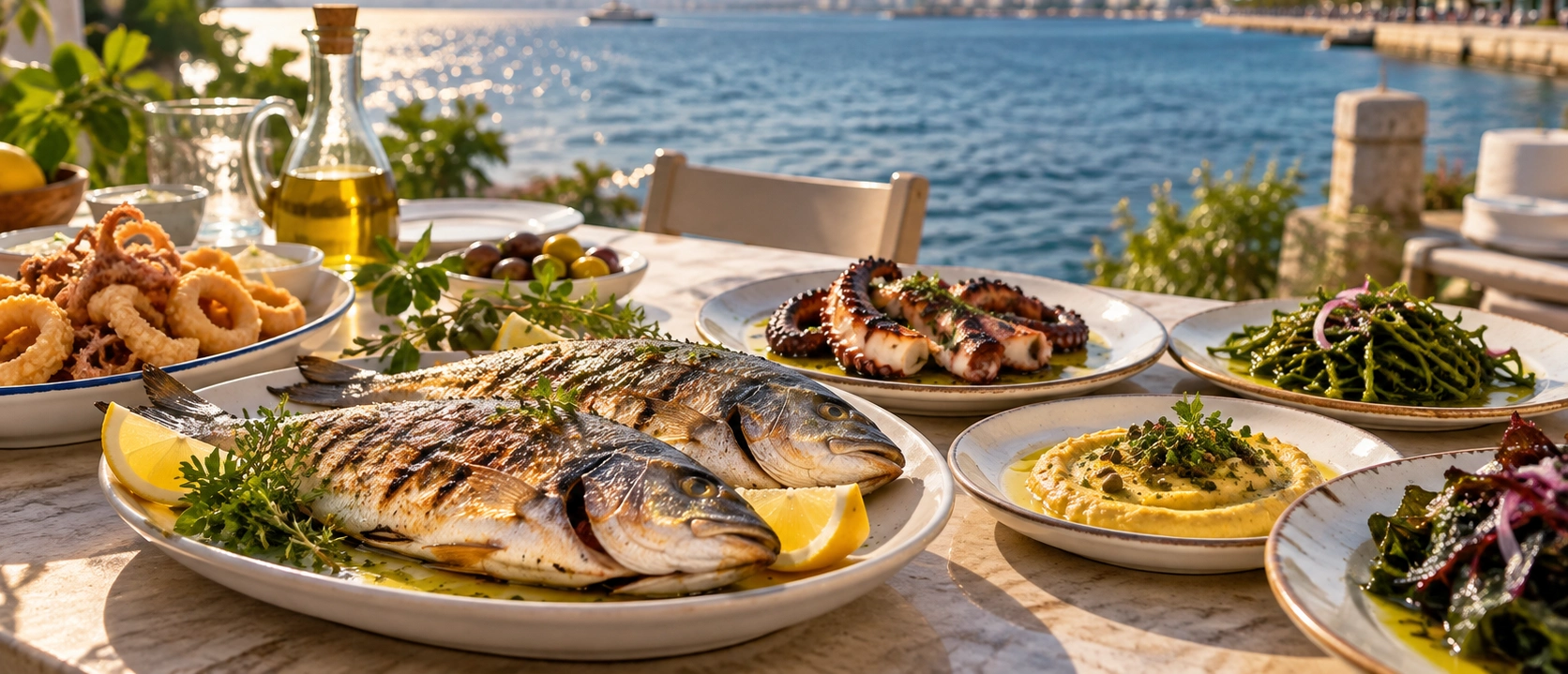
Explore İzmir's markets and waterfront culture while discovering fresh fish, calamari, octopus, seasonal mezes, Aegean greens and olive-oil dishes.
Request This Tour
Combine Konak, Kemeraltı, ancient Smyrna and the Kordon with local markets, Aegean dishes, street food and the city's distinctive seafood culture.
Design Your ExperienceExtend your culinary journey through İzmir Province with Urla, Çeşme, Foça and Sığacık, combining seafood, markets, fishing harbours, olive oil, seasonal vegetables and spectacular coastal landscapes.
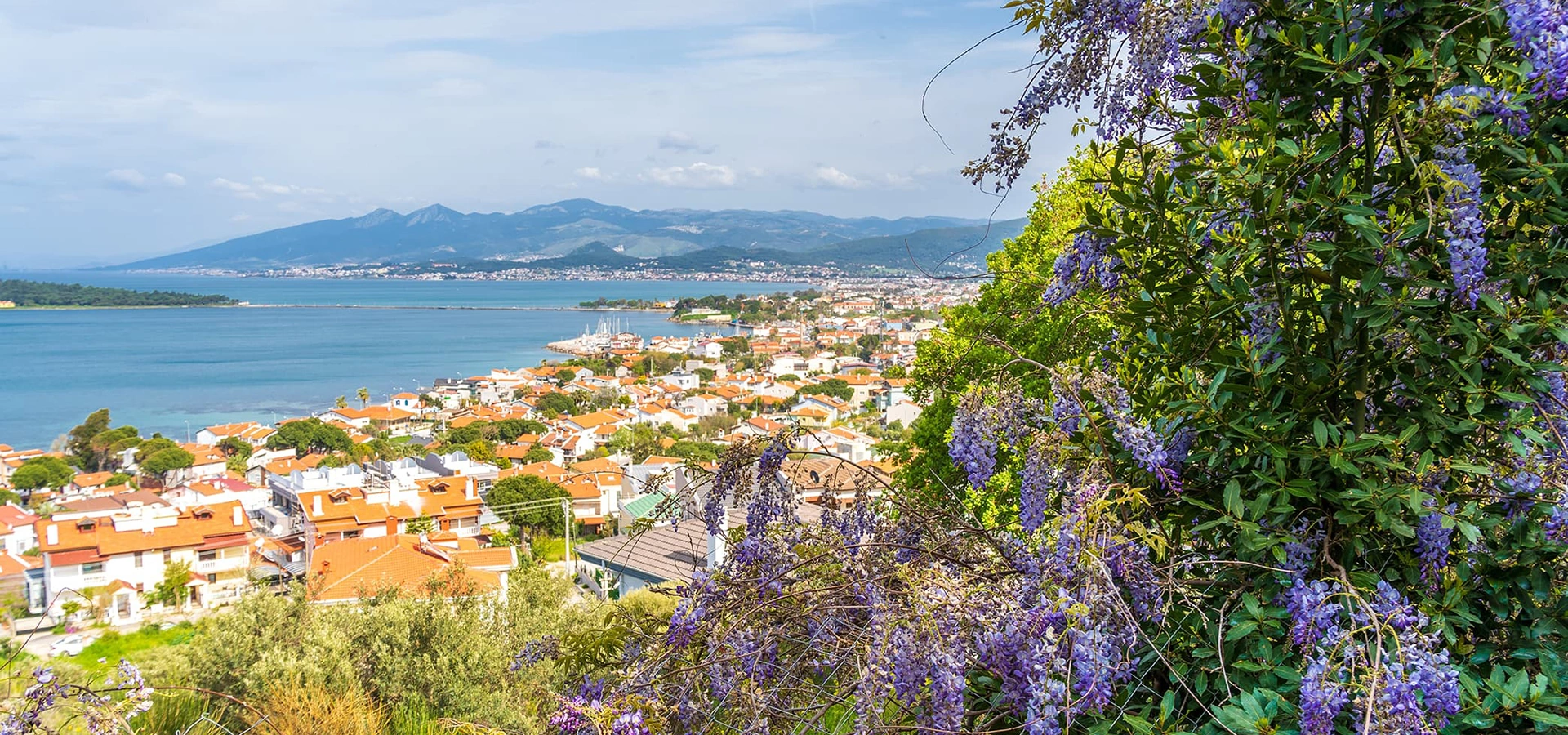
Follow the İzmir Peninsula through Urla and Çeşme while discovering fresh Aegean seafood, local produce, olive oil, coastal villages and beautiful seaside scenery.
Design Your Journey
Discover one of İzmir's most atmospheric coastal towns through its historic streets, fishing harbour, Aegean scenery and traditional seafood culture.
Request This Tour