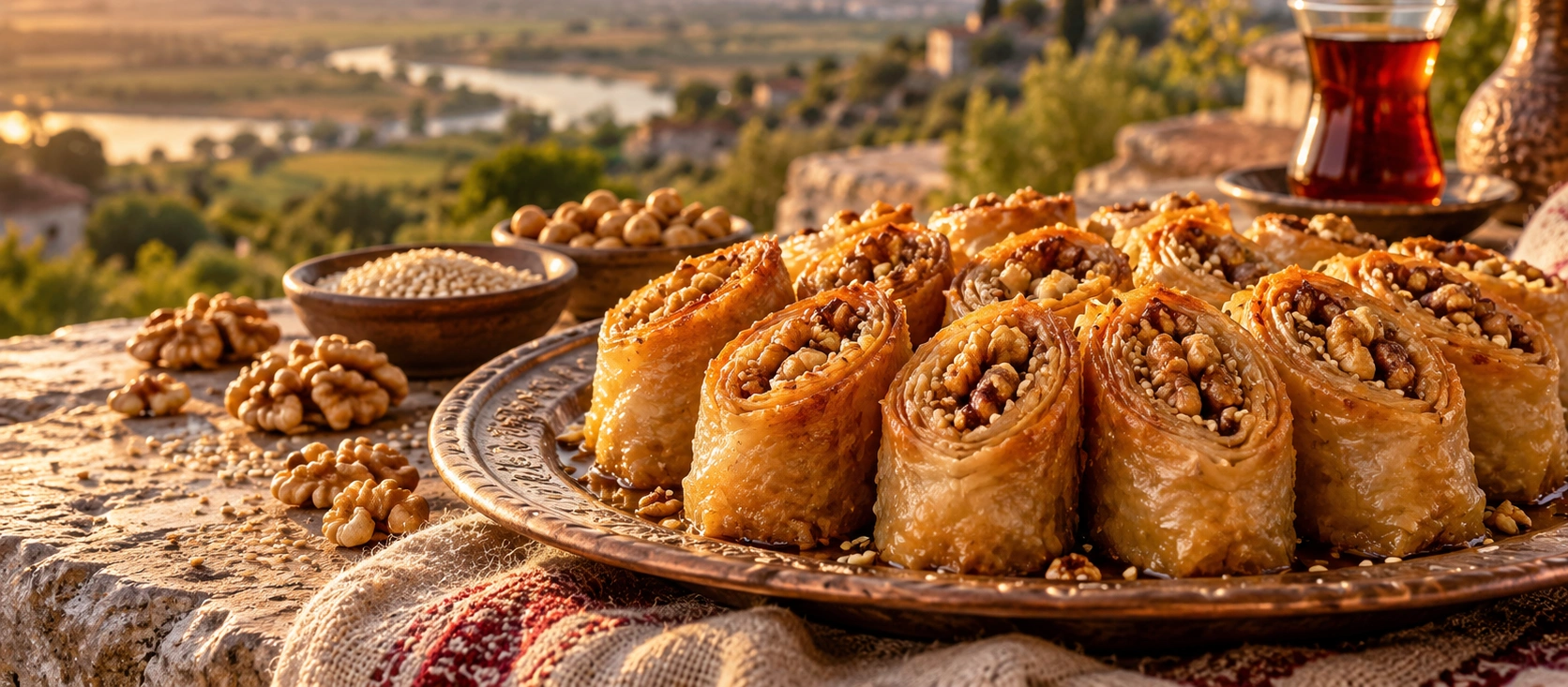
Söke Kulak Tatlısı
Discover another distinctive culinary tradition from Söke, featuring carefully prepared pastry and the flavors of regional Turkish desserts.
Explore Söke Kulak Tatlısı





Söke Kulak Çorbası is a traditional Turkish dumpling soup associated with the district of Söke in Aydın Province, western Türkiye. Made with delicately shaped, meat-filled pieces of dough, chickpeas, flavorful broth and a creamy yogurt-based mixture, this substantial soup represents the craftsmanship and hospitality of regional Aegean cooking.
The name Kulak Çorbası translates literally as "Ear Soup", referring not to its ingredients but to the distinctive ear-like shape of its handmade dumplings. Known locally also as Kulaklı Çorba, the dish reflects a culinary tradition in which careful dough preparation, patient shaping and balanced seasoning transform simple ingredients into something memorable.
One of its most distinctive features is the preparation of the dumplings. Unlike many boiled dumpling soups, traditional Söke Kulak Çorbası involves briefly frying the small stuffed dumplings before simmering them in broth. This extra step contributes to their characteristic flavor and texture.
Recognizing its cultural importance, the Turkish Patent and Trademark Office registered Söke Kulak Çorbası as a geographical indication on August 18, 2025, under registration number 1761. Today, the soup remains an important expression of Söke's food heritage, enjoyed at family meals, celebrations and local gastronomic events.
Officially registered in Türkiye in 2025 as a regional culinary specialty.
Small, ear-shaped pieces of dough traditionally filled with seasoned minced meat.
Chickpeas, meat or chicken broth, yogurt, wheat flour and regional seasonings.
A dish associated with hospitality, family gatherings and Söke's food traditions.
Essential information about this distinctive dumpling soup from western Türkiye.
Söke district, Aydın Province, in the Aegean region of Türkiye.
Explore Söke on Google MapsTraditional hot soup containing handmade meat-filled dumplings and chickpeas.
Small folded dumplings resembling ears, briefly fried before simmering.
Turkish registration No. 1761, dated August 18, 2025.
Wheat flour, egg, minced meat, onion, chickpeas, broth and yogurt.
Served hot, sometimes finished with butter, dried mint and red pepper.
A distinctive combination of handmade dumplings, chickpeas and creamy broth.
Söke Kulak Çorbası is a traditional soup built around small stuffed pieces of wheat-flour dough. Each dumpling contains a seasoned minced-meat filling and is carefully folded into a shape traditionally compared to a human ear.
The prepared dumplings are briefly fried before being added to a pot of hot meat or chicken broth. Cooked chickpeas and smaller pieces of cut dough enrich the soup, while a mixture of yogurt, egg yolk and flour gives the finished dish its characteristic creamy consistency.
A final topping of butter heated with dried mint and red pepper may be added before serving. The combination of savory meat, tender dough, chickpeas and gently tangy yogurt creates a satisfying dish that can be enjoyed as either a generous starter or a light main course.
Although Türkiye has many varieties of mantı, or stuffed dumplings, Söke Kulak Çorbası deserves recognition as a particular regional preparation. Its ear-shaped dumplings, preliminary frying stage and soup-based presentation distinguish it from the better-known Turkish mantı commonly served with yogurt and sauce on a plate.
For visitors interested in the culinary heritage of Aydın, this soup offers an introduction to the region's flour-based dishes and the importance of traditional hand preparation.
In Turkish, kulak means "ear" and çorba means "soup". The name therefore describes the appearance of the handmade dumplings rather than suggesting that ears are used as an ingredient.
The dumplings begin as small squares of thinly rolled dough. A little seasoned meat filling is placed in the center, and the dough is folded and joined to form a compact shape associated with an ear.
These tiny pieces must be prepared carefully so that the filling remains inside during frying and subsequent cooking in broth. Their distinctive appearance is an essential part of the dish's traditional identity.
The Turkish word for ear, describing the characteristic shape of the dumplings.
The Turkish word for soup, referring to the rich broth in which the dumplings are served.
An alternative local name associated with the same traditional preparation.
The folded dough requires careful handling and helps define the finished dish.
Söke lies in the fertile Büyük Menderes basin of western Anatolia, a region shaped by agriculture, local markets and a long tradition of preparing meals from locally available ingredients.
Wheat flour, olive oil, legumes and seasonal produce have long been important components of Aydın's food culture. Dishes prepared with handmade dough are particularly associated with domestic cooking and the transmission of culinary skills between generations.
Kulak Çorbası belongs to this tradition. Its labor-intensive preparation makes it more than a simple combination of ingredients. Rolling thin dough, portioning the filling, shaping the dumplings and balancing the broth all require care and experience.
The official geographical indication documentation identifies Söke Kulak Çorbası as a traditional preparation enjoyed in everyday meals as well as during Ramadan, weddings, family invitations, religious holidays and festivals.
Rather than having a precisely documented invention date or a single known creator, the dish is best understood as part of the region's established culinary heritage. Its importance lies in the continuity of the preparation method and its association with Söke and Aydın.
The handmade preparation reflects skills traditionally practiced and shared in home kitchens.
A hearty dish suitable for welcoming visitors and gathering around the family table.
Associated with wedding meals, Ramadan tables, religious holidays and community events.
Recognized as one of the traditional dishes contributing to Söke's gastronomic character.
On August 18, 2025, the Turkish Patent and Trademark Office registered Söke Kulak Çorbası under geographical indication number 1761.
The application was submitted by the Söke Commodity Exchange (Söke Ticaret Borsası) on November 13, 2024. The registration identifies the geographical area as Aydın Province and recognizes the dish's established reputation and distinctive method of production.
The registration is classified as a mahreç işareti, a Turkish geographical indication category connecting a product's reputation or characteristics with a particular geographical area.
According to the registered specification, the defining preparation involves handmade stuffed dumplings, a preliminary frying stage, broth, chickpeas and a yogurt-based finishing mixture. The documented method places particular importance on the preparation and shaping of the dough.
The authentic character of Söke Kulak Çorbası comes from combining several separately prepared components: the dough, minced-meat filling, broth, chickpeas and yogurt mixture.
The following approximate quantities are based on the official Turkish geographical indication specification for six servings.
250 g wheat flour, 75 ml water, 1 egg and 5 g salt. The dough is kneaded until smooth and elastic.
150 g minced meat, 1 onion, 5 g salt and 2 g black pepper, mixed into a seasoned filling.
1.2 liters meat or chicken stock, 150 g cooked chickpeas and approximately 5 g salt.
200 g plain yogurt, 10 g wheat flour and 1 egg yolk, whisked together before tempering.
Approximately 250 ml olive oil or sunflower oil, as indicated in the registered recipe.
20 g butter, 5 g dried mint and 5 g ground or crushed red pepper.
Preparing Söke Kulak Çorbası involves several stages. Although the ingredients are familiar, the shaping and cooking techniques give this traditional dish its distinctive character.
Combine the flour, egg, water and salt. Knead thoroughly until the dough is smooth, relatively firm and elastic. Allow it to rest for at least 15 minutes.
Mix the minced meat with finely prepared onion, salt and black pepper. Blend the ingredients evenly so the filling can be portioned into very small amounts.
On a lightly floured work surface, roll the rested dough to approximately 1–2 mm thickness, keeping it thin enough for delicate dumplings but strong enough to hold the filling.
Divide the rolled dough into tiny squares, approximately 1 cm along each side. Place a chickpea-sized portion of the meat filling in the center of each square.
Bring opposing corners together and fold the dough into the characteristic ear-like form. Press the edges gently but firmly so the filling remains enclosed.
Arrange the dumplings in hot frying oil and fry briefly, about three minutes, until lightly golden. The preliminary frying creates a distinctive exterior before the dumplings enter the broth.
Bring the meat or chicken stock to a boil. Add the fried dumplings carefully and simmer for approximately 8–10 minutes. Reduce the heat as the dumplings cook.
Add the cooked chickpeas and small pieces of cut dough. The extra dough helps create the soup's characteristic consistency. Continue cooking until the components are tender.
Whisk together yogurt, egg yolk and flour. Gradually add small amounts of hot broth while stirring to bring the mixture closer to the soup's temperature.
Slowly stir the tempered yogurt mixture into the soup. Cook gently for another 5–10 minutes, stirring to prevent curdling. Serve hot, optionally topped with butter, mint and red pepper.
The success of Söke Kulak Çorbası depends as much on technique as on ingredients. The official preparation emphasizes careful kneading, controlled thickness, precise shaping and proper handling of the yogurt mixture.
The dough should be smooth and flexible without becoming sticky or overly soft.
Rolling the dough evenly encourages uniform cooking and helps prevent the delicate dumplings from tearing.
The meat filling must remain small enough for the corners and edges of each dumpling to close securely.
Properly sealed edges reduce the risk of the dumplings opening during frying or simmering.
A short frying stage adds flavor and gives the dumplings a different texture from those boiled directly.
Slowly mixing hot broth into the yogurt mixture helps avoid curdling when the mixture is added to the soup.
Many Turkish soups combine grains, legumes, meat or yogurt, but Söke Kulak Çorbası brings these ingredients together through a particularly detailed process.
The distinctive shape gives the soup its name and demonstrates the skill involved in handmade preparation.
Seasoned minced meat adds a concentrated savory taste within each small folded piece of dough.
Frying before simmering creates a characteristic flavor and texture not found in many ordinary dumpling soups.
Chickpeas contribute substance, a pleasant texture and a recognizable element of regional home cooking.
The yogurt, egg yolk and flour mixture brings a gently tangy taste and a smooth, comforting consistency.
Official geographical indication registration recognizes its association with Söke and Aydın's food heritage.
Söke Kulak Çorbası combines several complementary textures and flavors. The broth provides a savory foundation, while the yogurt mixture adds a smooth consistency and a gentle tanginess.
The dumplings offer a tender outer layer surrounding small portions of seasoned minced meat. Their preliminary frying adds another flavor dimension, while the chickpeas contribute a mild, earthy taste.
When finished with butter, dried mint and red pepper, the soup gains an aromatic topping that contrasts pleasantly with its creamy base.
Meat filling and rich stock create the principal flavor foundation.
Yogurt contributes a mild acidity that balances the richness of the broth.
Chickpeas and handmade dumplings make the soup more substantial than a clear broth.
An optional topping of dried mint, butter and red pepper adds warmth and fragrance.
Söke Kulak Çorbası is best served hot, allowing the broth, dumplings and chickpeas to be enjoyed together. A generous portion can be served in a deep soup bowl, ensuring that each serving contains both dumplings and chickpeas.
The optional finishing sauce is prepared by heating butter and briefly combining it with dried mint and red pepper. It is poured over the soup just before serving.
Fresh bread makes a natural accompaniment, particularly for enjoying the flavorful broth. For travelers exploring the culinary traditions of Söke, the area's distinctive breads offer an opportunity to experience more than one local specialty at the same meal.
The recommended serving temperature helps preserve the soup's texture and balanced flavors.
Each portion should contain a balanced combination of dumplings, chickpeas and broth.
Dried mint and red pepper can provide a fragrant topping before serving.
Bread is an enjoyable accompaniment to the rich broth and hearty dumplings.
Because Söke Kulak Çorbası is substantial, it can be enjoyed independently or as part of a meal featuring other traditional dishes from the Söke area.
For a regional tasting experience, consider pairing a modest portion of the soup with local bread, followed by another Söke specialty or a traditional dessert.
Discover Söke's distinctive traditional bread and the local bread-making heritage.
Explore the traditional twice-baked bread associated with Söke's culinary traditions.
Continue your exploration of flour-based regional specialties with freshly baked Turkish pide.
Complete your culinary experience with a traditional sweet specialty that also carries the name kulak.
Traditional foods are an important part of social life throughout western Anatolia. Recipes requiring time and manual preparation are particularly meaningful because they preserve practical skills and encourage the sharing of culinary knowledge.
The registered description of Söke Kulak Çorbası specifically identifies the soup as part of both everyday dining and special occasions. It is associated with welcoming guests, Ramadan, weddings, invitations, religious holidays and festivals.
Preparing numerous small dumplings requires patience, which makes the dish an example of the detailed work involved in traditional home cooking.
A warm and substantial soup associated with meals during the holy month of Ramadan.
Included among dishes traditionally connected with important family celebrations.
Part of the broader culinary tradition of preparing special foods for family gatherings.
A labor-intensive preparation that reflects the importance of hospitality and sharing food.
Söke's food traditions reflect the agricultural identity and cultural diversity of the Aegean region. Local breads, pastries, soups, vegetable dishes and desserts all contribute to the district's distinctive culinary landscape.
In May 2024, Söke Municipality supported a local culinary competition that featured Kulak Çorbası, Çalkama, Şevketi Bostan and Kulak Tatlısı. The event brought local cooks and gastronomy professionals together to recognize the district's food heritage.
The subsequent geographical indication registration of Söke Kulak Çorbası in 2025 provided formal recognition of a dish already associated with the area.
For visitors, seeking out traditional regional dishes can provide an experience of local culture that differs from the standardized menus commonly found in tourist centers.
The most meaningful place to discover Söke Kulak Çorbası is its namesake district of Söke in Aydın Province.
Traditional Turkish restaurants, local food establishments, regional gastronomy events and home-style kitchens are natural places to ask about the dish. However, because preparing the small handmade dumplings requires considerable work, availability may vary from one establishment to another.
Travelers should not assume that every restaurant offering Turkish soup or mantı will serve Söke Kulak Çorbası. It is worth asking specifically whether the soup is made locally and whether it follows the traditional method.
Ask traditional restaurants and neighborhood establishments whether Kulak Çorbası is available.
Local festivals and culinary gatherings can provide opportunities to encounter traditional preparations.
Look for establishments specializing in traditional regional meals and handmade dishes.
Ask before traveling specifically for the soup, since preparation and menu availability can vary.
Visitors familiar with Turkish mantı may recognize the small stuffed dumplings used in Söke Kulak Çorbası. However, the two presentations are not identical.
Turkish mantı commonly refers to stuffed pasta-like dumplings that are boiled and then served on a plate or in a bowl with yogurt and seasoned butter. Söke Kulak Çorbası, in contrast, is prepared specifically as a soup with broth, chickpeas and a yogurt-based thickening mixture.
Usually presented as cooked dumplings with yogurt and a seasoned topping rather than as a substantial broth-based soup.
Features ear-shaped, meat-filled dumplings that are fried and then simmered in broth with chickpeas.
The preliminary frying stage is a defining element of Söke's registered soup preparation.
The finished soup incorporates yogurt into the broth, rather than simply spooning it over dumplings.
Other parts of Türkiye have their own dumpling soups and dishes sometimes called kulak çorbası. Their ingredients or methods may differ, so the registered Söke preparation should not automatically be treated as identical to every regional variation.
Home cooks can prepare Söke Kulak Çorbası with ordinary kitchen equipment, but the process benefits from organization and patience.
Measure ingredients and cook the chickpeas beforehand so you can focus on shaping the dumplings.
Allow at least 15 minutes of resting time before rolling to make the dough easier to handle.
A lightly floured surface helps prevent sticking without making the small dumplings difficult to seal.
Arrange shaped dumplings on a lightly floured tray so they do not stick together before frying.
Use a gentle simmer and stir carefully to avoid breaking the small pieces of filled dough.
Temper the yogurt mixture with hot broth and add it gradually while stirring to maintain a smooth texture.
Söke Kulak Çorbası is a traditional regional food rather than a single visitor attraction. There is no universal admission fee, opening schedule or dedicated visitor center for tasting the soup.
Visitors should seek out establishments offering traditional Söke cuisine, ask whether the soup is available and confirm the preparation style when authenticity is an important part of the experience.
Unlike seasonal ingredients available only during harvest, the principal components of Söke Kulak Çorbası can be obtained throughout the year. Its preparation is therefore not restricted to one particular season.
The hot, hearty soup is especially comforting when temperatures become cooler.
A pleasant period for exploring Söke and combining local food with visits to nearby heritage sites.
The dish is associated with Ramadan dining traditions, although restaurant availability should be checked.
Gastronomy festivals and traditional cooking activities may create additional tasting opportunities.
Söke's culinary heritage extends well beyond Kulak Çorbası. The district is known for distinctive breads, baked dishes and traditional sweets that showcase the importance of wheat and handmade food preparation.
Discover a regional style of Turkish pide and the traditions of local bakeries.
Explore a sesame-tahini-based baked specialty associated with the area's food culture.
Learn about a traditional local bread and the craftsmanship of regional baking.
Discover the long-standing tradition of twice-baked bread in Söke.
Explore another distinctive Söke preparation, this time in the form of a traditional dessert.
Continue your food journey across Aydın with another regional interpretation of Turkish pide.
Söke Kulak Çorbası is a traditional soup from Aydın Province featuring small meat-filled dumplings, chickpeas, meat or chicken broth and a yogurt-based finishing mixture.
The soup is especially associated with Söke district in Aydın Province, western Türkiye.
The name translates literally as "Ear Soup" and refers to the ear-like shape of the handmade dumplings.
No. The traditional soup contains meat-filled dough pieces, chickpeas, broth and yogurt. The name refers to the appearance of the dumplings.
Yes. It was registered by the Turkish Patent and Trademark Office on August 18, 2025, under geographical indication number 1761.
The Söke Commodity Exchange applied for and obtained the geographical indication registration.
The registered recipe uses wheat flour, egg, water, minced meat, onion, chickpeas, meat or chicken stock, yogurt, flour, egg yolk and seasonings.
Brief frying is part of the traditional registered method and contributes to the distinctive flavor and texture of the dumplings.
Not exactly. Both involve small stuffed dumplings, but Söke Kulak Çorbası is served in a broth with chickpeas and a yogurt-based mixture, and its dumplings are fried before simmering.
Traditional preparation involves rolling dough thinly, cutting it into small squares, adding minced-meat filling and folding each piece into the characteristic shape.
The soup itself is generally mild and savory. Optional red pepper in the butter topping can add extra warmth or heat.
It is traditionally served hot, as recommended in the registered preparation method.
Yes. A mixture of yogurt, flour and egg yolk is tempered and added to the broth to create the characteristic creamy texture.
No. The traditional registered version contains minced meat and meat or chicken broth.
No. Traditional dumplings are made with wheat flour, and additional wheat flour is used in the yogurt mixture.
Yes. It can be prepared with standard kitchen equipment, although the small handmade dumplings require time, patience and attention to detail.
It is associated with everyday meals, hospitality, Ramadan, weddings, religious holidays and local celebrations.
Visitors can enquire at traditional restaurants and regional food establishments in Söke. Because availability is not guaranteed, checking in advance is recommended.
The small stuffed dumplings, their distinctive folded shape, the preliminary frying stage and the combination of chickpeas, stock and yogurt create its special character.
Kulaklı Çorba is an alternative traditional name associated with Söke Kulak Çorbası.
Yes, particularly for travelers interested in regional Turkish cooking, handmade dumplings and dishes that reflect the culinary heritage of the Aegean region.
Exploring local food is an enjoyable way to support regional culinary traditions. Respect for food producers, home cooks and local businesses helps preserve the cultural knowledge behind traditional dishes.
Consider restaurants and producers that specialize in regional dishes and handmade preparations.
Recognize the preparation time involved in rolling, filling and folding numerous small dumplings.
Clarify meat, dairy, egg and wheat ingredients when planning for dietary restrictions.
Approach traditional food events and community gatherings with courtesy and curiosity.
Look for opportunities to try locally prepared breads, pastries and other Aydın specialties.
Use the dish's correct local name and help distinguish the registered Söke preparation from other dumpling soups.
Combine regional food discoveries with Aydın's remarkable archaeological sites, traditional towns and cultural heritage through a private journey shaped around your interests, without compulsory shopping stops.
Explore handmade regional dishes, traditional breads and the rich food heritage of Söke.
Discover another distinctive culinary tradition from Söke, featuring carefully prepared pastry and the flavors of regional Turkish desserts.
Explore Söke Kulak Tatlısı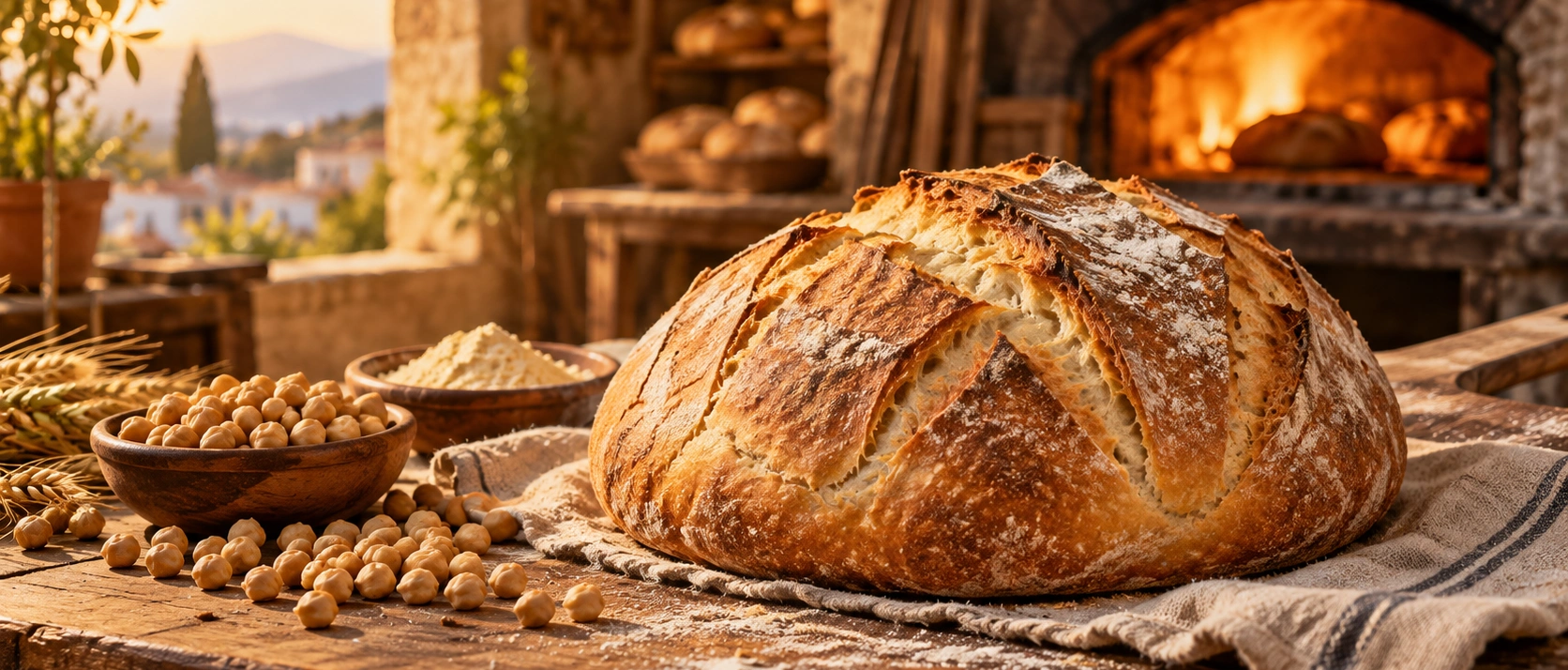
Learn about the flour, fermentation and baking traditions behind one of Söke's distinctive regional breads.
Discover Söke's Traditional BreadExperience more regional food traditions through our guides to Söke's handmade specialties.
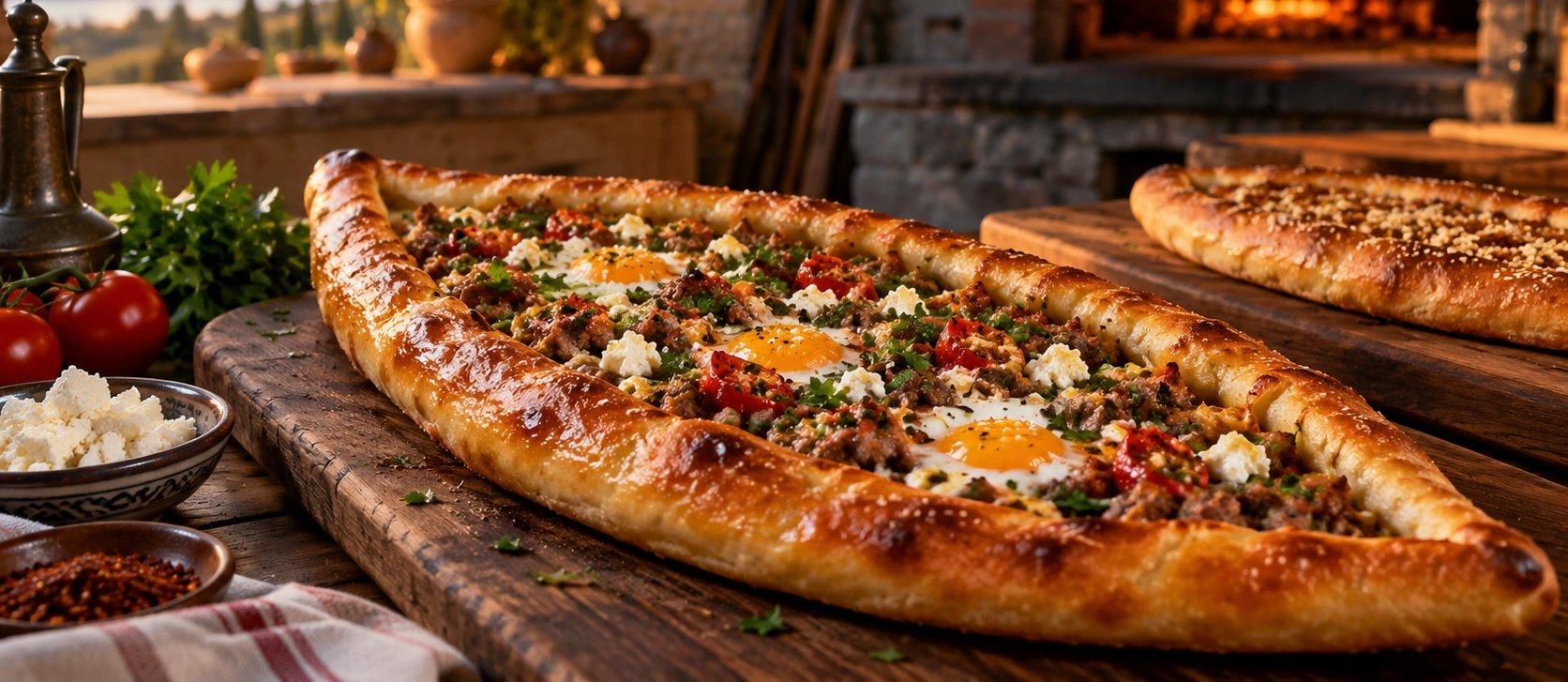
Explore Söke's traditional pide and the district's long-standing bakery culture.
Discover Söke Pide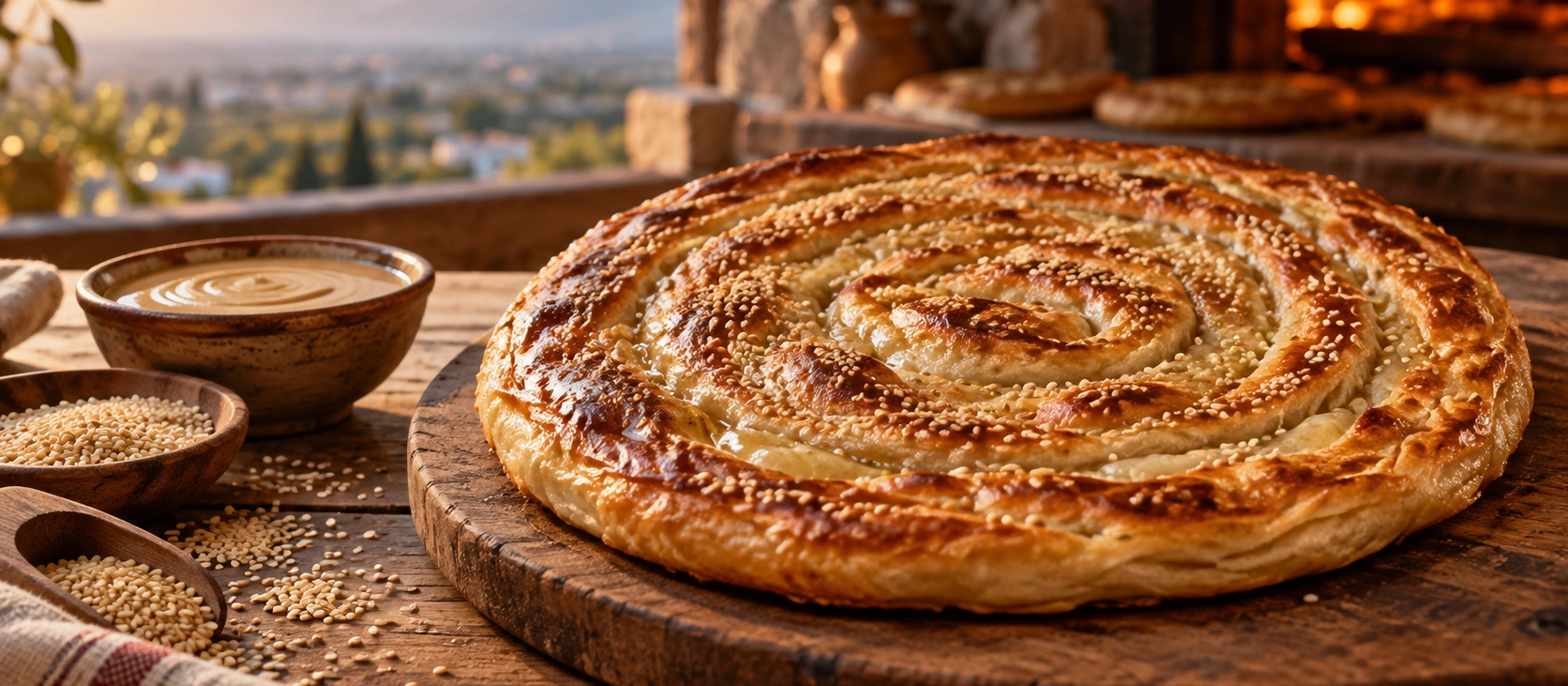
Discover a beloved regional baked specialty featuring the rich flavor of tahini.
Explore Tahinli Pide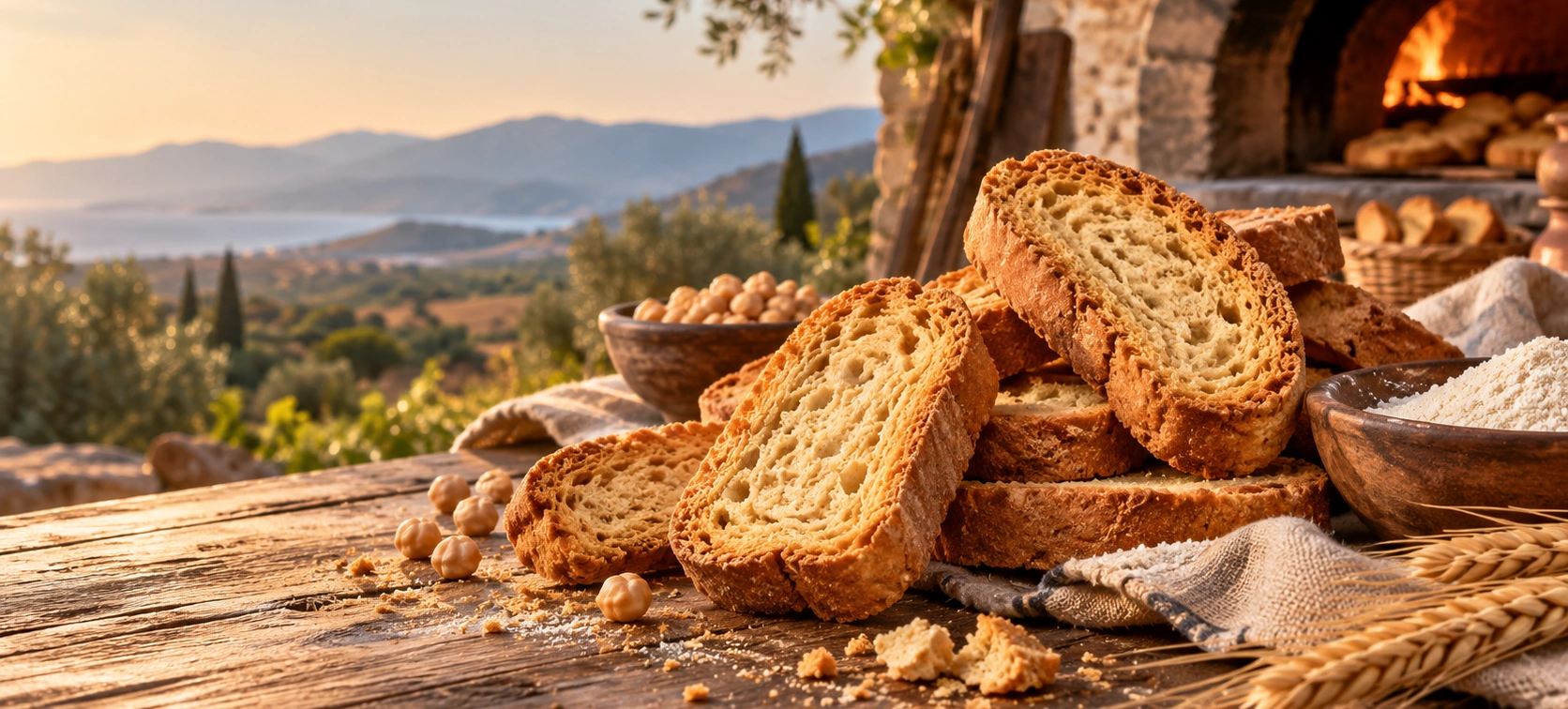
Explore the traditional twice-baked bread of Söke and its place in local food culture.
Discover Söke PeksimetiCombine traditional regional cuisine with archaeology, local heritage and the landscapes of western Türkiye.

Ask about a tailor-made journey combining western Anatolia's ancient cities, cultural landmarks and opportunities to discover traditional local cuisine.
Request a Custom Experience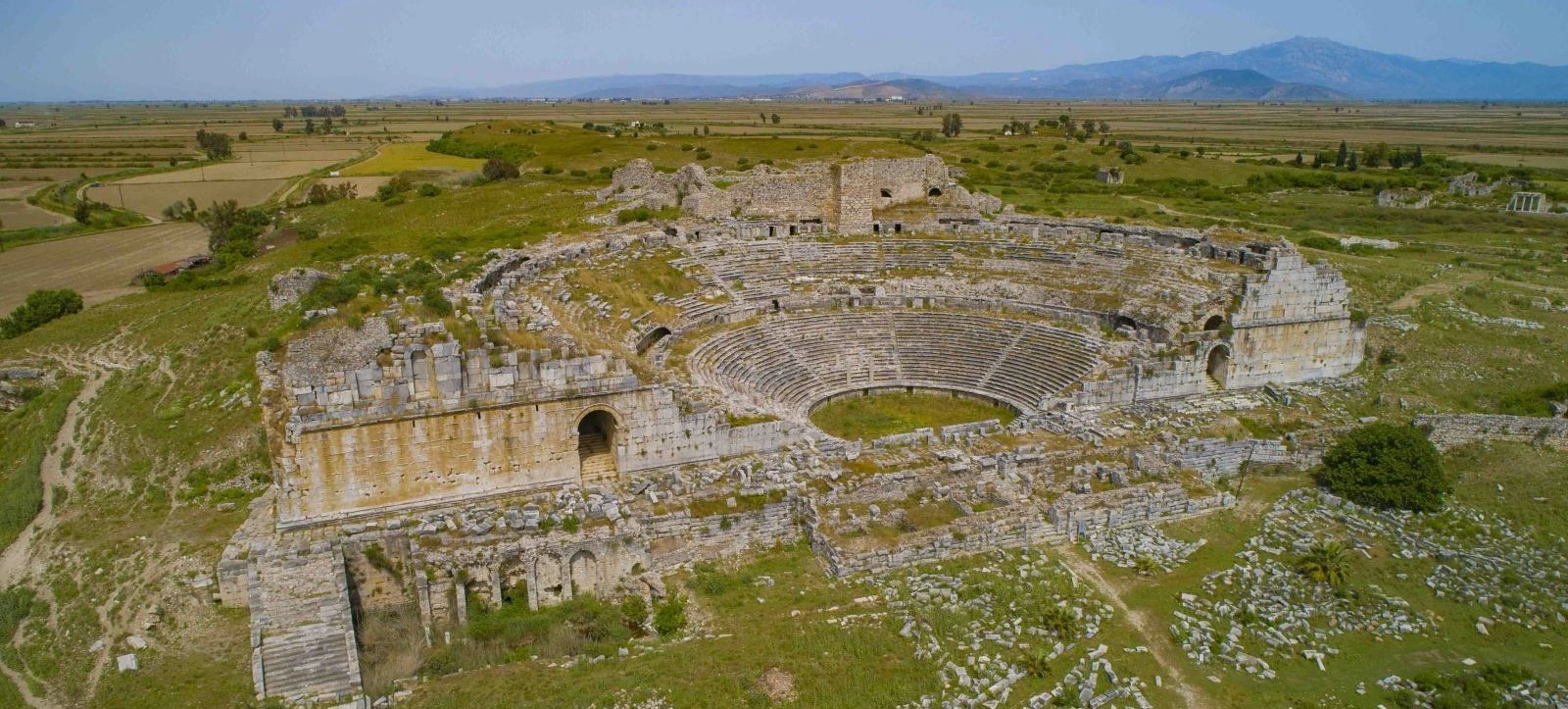
Discover one of the great cities of ancient Ionia and complement your exploration of regional history with Söke's traditional food culture.
Discover Miletus Ancient City