Traditional Chickpea Fermentation
The defining fermentation method uses chickpeas to produce a starter known as tatlı maya.
- Starter: Chickpea-based sweet yeast
- Traditional name: Tatlı maya
- Purpose: Bread fermentation






Söke Peksimeti is a distinctive traditional twice-baked bread originating from Söke district in Aydın Province, western Türkiye. Closely connected with the culinary heritage of Anatolia, this remarkable regional speciality combines an ancient approach to bread preservation with the skilled craftsmanship of local bakers.
Unlike ordinary fresh bread, Söke Peksimeti is prepared through a carefully controlled process designed to reduce moisture and produce a firm, crisp product capable of being stored for extended periods.
Its traditional production begins with a special chickpea-based fermentation starter known as tatlı maya, or sweet yeast. The fermented starter is combined with wheat flour and water to prepare a distinctive bread dough.
After kneading and fermentation, the dough is shaped into large rectangular loaves and baked in traditional wood-heated ovens known as kara fırın.
The freshly baked loaves are then cooled and cut into relatively thin slices. These slices return to the oven for a second baking stage, during which they lose additional moisture, develop a golden appearance, and become characteristically crisp.
This two-stage baking process is the defining feature of peksimet production. By reducing the moisture within the bread, traditional bakers create a product that can remain suitable for storage considerably longer than ordinary fresh bread.
The registered specification describes Söke Peksimeti as a traditional speciality produced from the Ottoman period to the present day. Its historical significance also belongs to the wider story of preserved bread in Anatolia, where durable foods helped communities and armies overcome the difficulties of travel, limited supplies, and periods of hardship.
The use of chickpea fermentation provides another distinctive characteristic. The traditional starter contributes to the product's aroma, while wood-fired baking introduces additional aromatic notes associated with the fuel used in the oven, particularly oak wood.
Söke Peksimeti received official geographical-indication recognition from the Turkish Patent and Trademark Office on 21 November 2024, under registration number 1663.
Its registered geographical production boundary is Söke district in Aydın Province, reflecting the longstanding relationship between the speciality and the region's traditional bakery culture.
The official production specification describes the use of chickpea starter, successive dough-fermentation stages, traditional oven preparation, rectangular bread shaping, slicing, a second baking stage, and appropriate packaging.
When properly prepared and packaged according to the registered method, Söke Peksimeti is described as maintaining its freshness for at least six months, an extraordinary contrast with the relatively short keeping period of ordinary fresh bread.
Today, this geographically indicated speciality represents much more than a practical preserved food. It is a fascinating example of traditional Anatolian food technology, regional identity, and knowledge passed between generations of skilled bakers.
This comprehensive guide explores the history, geographical-indication registration, traditional chickpea fermentation, ingredients, dough preparation, two-stage baking process, distinctive flavour, storage qualities, cultural significance, dietary information, and practical recommendations for visitors interested in discovering authentic Söke Peksimeti.
A special fermentation starter known as tatlı maya forms the foundation of Söke Peksimeti.
Freshly baked bread is sliced and baked again to produce its characteristic dry and crisp texture.
The registered product can retain its freshness for at least six months under suitable packaging conditions.
Söke Peksimeti received geographical-indication registration number 1663 in November 2024.
Essential information about one of the most distinctive traditional preserved breads of Türkiye's Aegean region.
Söke district, Aydın Province, western Türkiye.
Open Söke on Google MapsChickpea-based sweet yeast, traditionally known as tatlı maya.
Traditional wood-heated oven and a distinctive two-stage baking process.
Registration No. 1663, officially registered on 21 November 2024.
Explore the remarkable relationship between preserved bread, historical journeys, traditional bakeries, and the culinary heritage of western Anatolia.
The story of Söke Peksimeti belongs to the wider history of bread preservation in Anatolia, where communities developed practical techniques for transforming freshly baked bread into foods capable of lasting considerably longer.
Bread has been an essential element of everyday nourishment throughout the Mediterranean and Anatolian world for centuries.
However, ordinary fresh bread has an important limitation: its comparatively high moisture content makes it vulnerable to deterioration during storage.
For communities undertaking long journeys, managing limited food supplies, or preparing for periods of hardship, preserving bread was therefore a matter of considerable practical importance.
One traditional solution was to bake bread, slice it, and return the slices to the oven so that additional moisture could be removed.
The resulting dried bread was more suitable for storage and transport than ordinary freshly baked loaves.
This approach became associated with peksimet, a traditional preserved bread found in various forms throughout Turkish and Mediterranean culinary history.
The official geographical-indication document identifies Söke Peksimeti as a regional speciality produced from the Ottoman period to the present day.
It also explains the historical importance of peksimet as a durable source of bread during wars, periods of scarcity, and military campaigns.
Preserved bread was especially valuable in circumstances where freshly baked food could not be supplied regularly.
The registration document refers to the use of peksimet for soldiers in the Ottoman period and during the Turkish War of Independence.
These references illustrate the broader importance of preserved bread in military provisioning. They should not necessarily be interpreted as identifying every historical military supply as the specific modern geographically indicated Söke product.
Before modern refrigeration, industrial food packaging, and efficient transport systems, communities depended on preservation techniques such as drying, salting, fermenting, and repeated heating.
Bread that could remain usable for an extended period offered practical advantages to travellers, rural households, and groups working far from established settlements.
The double-baking method reduced the bread's moisture content and produced a more durable food suitable for storage.
This preservation technique also helped limit the need to prepare fresh bread every day when supplies or baking facilities were unavailable.
Söke developed its own recognisable peksimet tradition through a combination of chickpea fermentation and wood-fired oven craftsmanship.
The fertile lands surrounding Söke, including the Büyük Menderes Plain, have long supported agriculture and regional food production.
Within this agricultural landscape, wheat-based foods became an important part of local cuisine.
Söke Peksimeti reflects the interaction between these familiar agricultural ingredients and specialised bakery techniques.
Its distinctiveness lies not simply in drying bread but in the preparation of its traditional starter, the shaping and fermentation of its dough, and the characteristics imparted by wood-fired baking.
The registered production method documents these practices and establishes their connection with Söke.
Today, Söke Peksimeti represents an important part of the district's traditional bakery identity.
Its production preserves knowledge concerning fermentation, temperature management, oven preparation, bread slicing, and moisture reduction.
The geographical-indication registration granted in 2024 helps document these traditional characteristics for future generations.
For visitors interested in Turkish food history, Söke Peksimeti offers a particularly interesting example of how a practical method of food preservation became a distinctive regional speciality.
Several traditional ingredients and production techniques distinguish Söke Peksimeti from ordinary rusks, toasted bread, and commercially produced dried bakery products.
The defining fermentation method uses chickpeas to produce a starter known as tatlı maya.
Traditional production involves preparing the chickpea starter liquid and then developing a separate yeast dough.
Before becoming peksimet, the fermented dough is shaped into large rectangular loaves.
The shaped dough is first baked into bread before the preservation stage begins.
The cooled bread is cut into slices suitable for the second baking process.
The prepared bread slices return to the oven, becoming drier and crispier.
The registered speciality is distinguished partly by the aroma associated with wood-heated baking, often using oak.
Moisture reduction and appropriate packaging help preserve the finished product.
Söke Peksimeti received official geographical-indication registration from the Turkish Patent and Trademark Office (TÜRKPATENT) on 21 November 2024.
The registration recognises the product's traditional production methods, geographical identity, and longstanding connection with the culinary culture of Söke.
Söke Peksimeti
1663
21 November 2024
13 January 2023
C2023/000023
Mahreç İşareti, a Turkish geographical-indication designation.
Söke district, Aydın Province, Türkiye.
Traditional rusk within the bakery and pastry products category.
The geographical-indication registration identifies two registration holders:
The geographical-indication registration documents the distinctive production characteristics of Söke Peksimeti.
These include the traditional chickpea starter, preparation of fermented yeast dough, kneading and resting of the principal bread dough, traditional oven conditions, rectangular shaping, slicing, second baking, and the resulting dry, crisp product.
The specification also establishes an important geographical requirement.
All production stages of the registered Söke Peksimeti must take place within Söke district.
This requirement reflects the product's established reputation and strong association with local bakery craftsmanship.
The registered specification describes inspections coordinated by the Söke Historical Research and Cultural Heritage Preservation Association.
The inspection body includes representatives with product expertise from the district education authority, the relevant local trades organisation, and the historical research and cultural heritage association.
Regular inspections are described as taking place annually, with additional inspections possible where necessary.
The inspection process considers the suitability of ingredients, traditional starter preparation, the baking and drying process, and the appropriate use of the registered geographical-indication name and emblem.
This is a Turkish national geographical-indication registration and should not be confused with a separate European Union geographical-indication registration.
Visitors interested in the official technical description can consult the original TÜRKPATENT records.
View the Official Söke Peksimeti Geographical-Indication Registration
Read the Official Söke Peksimeti Production Specification (PDF)
The Turkish word peksimet generally refers to a dried, hard, preserved bread product produced through baking techniques that reduce its moisture content.
It can be described in English as a traditional rusk, twice-baked bread, or durable dried bread.
However, these English descriptions do not fully capture the distinctive preparation methods associated with individual Turkish regional specialities.
Söke Peksimeti is particularly recognisable because it combines chickpea fermentation with traditional wood-heated baking.
The first baking stage transforms the fermented dough into bread.
The second baking stage removes additional moisture from the sliced bread.
As moisture decreases, the slices become firmer and develop the characteristic crisp texture associated with peksimet.
Reducing available moisture also helps improve the product's suitability for extended storage, provided it is subsequently packaged and protected appropriately.
Not exactly.
Ordinary toast is typically made by briefly heating bread to brown its surface.
Peksimet follows a deliberate production method intended to reduce moisture throughout the bread slices and create a more durable product.
Although both products may have a browned appearance, their production purposes and storage characteristics are different.
Italian biscotti and Turkish peksimet share the general principle of repeated baking.
However, biscotti are frequently prepared as sweet biscuits with ingredients such as sugar, eggs, and nuts.
Söke Peksimeti is fundamentally a traditional fermented wheat bread that is dried through a second baking process.
Its registered identity depends particularly on the chickpea starter, traditional bread-making stages, and oven characteristics.
The registered preparation of Söke Peksimeti uses a comparatively simple collection of ingredients.
Its distinctive character comes from the way these ingredients are combined and fermented rather than from an elaborate assortment of flavourings.
The principal ingredients are wheat flour, chickpeas, water, sugar, and salt.
The official geographical-indication specification provides bakery-scale proportions for the starter liquid, yeast dough, and principal peksimet dough.
These ingredients are used to prepare the initial fermentation liquid, traditionally known as maya özü.
The starter liquid is combined with wheat flour and warm water to develop a separate fermented dough called maya hamuru.
These are the registered bakery-scale proportions.
They should not automatically be treated as a fully calibrated household recipe, because fermentation temperatures, starter development, dough handling, and baking conditions require specialised attention.
Wheat flour forms the main structural ingredient of the bread.
When mixed with water and properly kneaded, it produces a dough suitable for fermentation, shaping, and baking.
The registered method specifies all-purpose wheat flour rather than a gluten-free flour mixture.
Chickpeas are used to prepare the traditional fermentation starter.
The resulting starter provides the leavening process used in the production of Söke Peksimeti.
Its preparation is one of the most distinctive features separating this regional speciality from many ordinary commercial rusks.
The preparation of tatlı maya, or sweet yeast, is among the most important stages of Söke Peksimeti production.
Unlike methods that rely simply on adding a measured quantity of commercial baker's yeast, traditional production begins by developing a chickpea-based fermentation starter.
According to the registered specification, this process has two principal stages: preparing the chickpea starter liquid and then preparing the fermented yeast dough.
The registered specification describes fermentation traditionally taking place near the warm area of a bakery oven or with the fermentation container wrapped in a thick cloth.
The purpose is to maintain suitable warmth while the starter develops.
Experienced bakers traditionally assess the starter by observing its appearance and signs of fermentation.
The official production description identifies the appearance of foam as an indication of successful fermentation.
It also records historical methods used by bakers to assess gas production.
For modern preparation, fermentation should be assessed through appropriate professional food-production practices rather than attempting historical flame-based testing methods, which can be hazardous.
Chickpea fermentation depends on suitable environmental conditions.
If the starter becomes too cold, fermentation may not develop as expected.
If conditions are unsuitable or hygiene is inadequate, the mixture may also fail to develop safely or correctly.
The successful preparation of the starter therefore requires practical expertise rather than merely waiting for a fixed number of hours.
Once the chickpea starter liquid is ready, it is separated from the chickpea pieces.
The registered method combines 0.7 litres of prepared starter liquid with 2 kilograms of wheat flour and 1.5 litres of warm water.
The water is specified at approximately 35–40°C.
The mixture is kneaded into a medium-soft dough and left to ferment in a warm environment for approximately two hours.
Once the dough has risen appropriately, it is ready for use in the main peksimet dough.
The registered method describes the possibility of reserving a portion of the fermented yeast dough for the following day's production.
The described storage conditions differ according to the season.
During summer, the reserved dough may be refrigerated. During winter, traditional bakery practice may involve protecting the dough with flour and reducing its exposure to air.
These practices form part of the documented professional production method and require appropriate temperature control and food hygiene.
After the yeast dough has developed successfully, the baker begins preparing the main dough used to produce Söke Peksimeti.
This stage combines wheat flour, water, and the prepared fermented yeast dough.
The registered method describes mixing by hand or using a dough-kneading machine.
The geographical-indication specification identifies a dough-folding stage after the initial fermentation period.
Folding redistributes the dough and forms part of the traditional preparation before the final resting period.
Its use helps distinguish the documented production process from simply mixing dough and transferring it immediately into an oven.
The main peksimet dough undergoes approximately two hours of initial fermentation, followed by folding and approximately one additional hour of resting.
These stages take place after the separate preparation of the chickpea starter and yeast dough.
Consequently, traditional Söke Peksimeti production involves several coordinated stages of fermentation rather than a single short resting period.
Successful production depends on recognising when the starter, yeast dough, and main bread dough have developed sufficiently.
Temperature, flour characteristics, dough consistency, and timing all influence the final result.
Experienced bakers must coordinate these stages with the preparation of the traditional oven.
The traditional oven is an important part of the geographical identity of Söke Peksimeti.
The registered method describes production in a wood-heated oven known as a kara fırın.
In this oven design, wood burns in a heating area called the külhan, located beneath the oven floor.
Heat and flames circulate through the oven structure to warm the baking chamber.
The geographical-indication specification describes oak as a commonly used fuel.
The wood-heating method is associated with one of Söke Peksimeti's identifying characteristics: its distinctive wood-related aroma.
Although the product's main flavour comes from fermented wheat dough, the traditional baking environment contributes to the final sensory character.
The registered method describes observing the colour of the oven's interior dome.
When the dome develops a grey appearance, this traditionally indicates that the oven has reached a suitable baking condition, described at approximately 140–160°C.
Baking takes place after active flames have subsided and the wood has become embers.
The oven's ventilation is adjusted to maintain the required baking conditions.
Kara fırın, a traditional oven heated by wood.
Külhan, the part of the oven used for burning fuel.
Oak wood is commonly identified in the registered method.
Approximately 140–160°C when ready for bread baking.
Approximately 100–120°C after the initial bread baking.
An aroma associated with traditional wood-heated production.
The official specification discusses how wood-related aroma may be introduced in ovens that no longer retain the traditional kara fırın heating arrangement.
Nevertheless, the essential registered characteristics must still be respected when the product is presented as geographically indicated Söke Peksimeti.
Traditional oven management should be carried out by experienced operators using appropriate fire and food-safety practices.
The first baking stage produces the bread that will subsequently be transformed into Söke Peksimeti.
Once fermentation is complete, the main dough is shaped into relatively large rectangular loaves.
The registered specification describes loaves approximately 10 cm thick, 20 cm wide, and 50 cm long.
These measurements form part of the traditional bakery-scale production method.
The prepared dough is placed into specially prepared baking trays suited to the rectangular loaf dimensions.
This shape allows the baked bread to be cut into slices for the second baking stage.
The official registered method describes an initial baking period of approximately 18–20 minutes.
During this stage, the fermented dough is baked into bread.
After baking, the trays are removed from the oven.
The loaves are then left to cool before slicing.
Cooling forms an important part of the documented production sequence.
It allows the loaves to be handled and cut into slices suitable for the next stage.
Slicing the prepared bread consistently also helps support more even moisture reduction during the second baking process.
Large rectangular loaves.
10 cm thick, 20 cm wide, and 50 cm long.
Approximately 18–20 minutes.
The loaves are removed and allowed to cool.
The second baking stage is responsible for transforming ordinary baked bread into the dried, crisp product recognised as Söke Peksimeti.
After the initial loaves have cooled, they are cut into slices approximately 1–1.5 cm thick.
These slices are then arranged in specially prepared trays before returning to the oven.
The geographical-indication specification describes thin, relatively uniform slices.
The use of slices rather than whole loaves allows moisture to be removed more effectively during the second heating stage.
The registered production method identifies special trays for the second baking process.
The oven temperature decreases while the initially baked loaves are cooling.
The registered method describes the second baking taking place at approximately 100–120°C.
This stage is intended to remove additional moisture from the bread slices and develop their characteristic crispness.
Rather than producing a new bread loaf, the second baking transforms the already cooked bread into a preserved bakery product.
The slices develop a browned appearance, lose moisture, and become crisp.
This change in texture is essential to the identity of traditional peksimet.
The finished slices are removed from the oven and left to cool.
The ability of Söke Peksimeti to remain suitable for extended storage depends substantially on its reduced moisture content.
Compared with fresh bread, the dried product is less vulnerable to some of the deterioration processes associated with high-moisture bakery foods.
However, correct drying does not eliminate the need for suitable packaging, hygienic handling, and proper storage.
Yes. The registered production specification expressly describes two baking stages.
The first produces the bread, while the second dries the prepared slices.
Together with chickpea fermentation and the traditional oven characteristics, this sequence forms an essential part of the regional speciality's registered identity.
The character of Söke Peksimeti reflects the combination of wheat bread, chickpea-based fermentation, traditional wood-heated baking, and a deliberate moisture-reduction process.
Unlike soft fresh bread, its most recognisable physical quality is its firm, dry, and crisp texture.
The registered production method specifically identifies the aroma associated with the chickpea starter and wood-fired baking as distinctive characteristics.
The second baking process produces the characteristic firm, dry, and crunchy structure.
The traditional tatlı maya starter contributes to the distinctive sensory identity.
Traditional oven heating imparts an aroma associated with the wood used during baking.
The underlying flavour remains that of a traditional fermented wheat bread.
The second baking stage browns the bread slices as they lose moisture.
The lower moisture content contributes to the product's long-lasting character.
Although the fermentation starter is called tatlı maya, or sweet yeast, Söke Peksimeti is not defined as a sugary dessert biscuit.
A small quantity of sugar is included in the registered starter preparation.
The principal product remains a traditional wheat-based dried bread.
Its defining characteristics are fermentation, wood-fired aroma, and the texture created by double baking rather than a sweet filling.
The registered product is intentionally dried to develop a crisp structure.
Its texture is therefore considerably firmer than ordinary fresh bread.
The perceived hardness can vary depending on the thickness of the slices, the degree of drying, and storage conditions.
As with many traditional dried breads, individual pieces may be softened by briefly moistening them or serving them alongside liquids.
This is a general serving suggestion rather than a required part of the registered Söke Peksimeti production method.
One of the most remarkable characteristics of Söke Peksimeti is its extended keeping potential.
The traditional production method reduces moisture through a second baking stage.
This makes the finished product fundamentally different from ordinary fresh bread, which normally contains much more moisture.
The official geographical-indication specification states that Söke Peksimeti is commonly packaged in 500-gram quantities.
Under the packaging conditions described in the registered method, the product can maintain its freshness for at least six months.
This period refers to properly prepared and packaged peksimet, not bread that has been left uncovered or exposed to unsuitable storage conditions.
The second baking process removes additional moisture from the bread.
Drying is an established way of improving the storage suitability of bread.
The registered specification describes packages commonly weighing 500 grams.
At least six months with appropriate preparation and packaging.
Packaging should protect the crisp product from absorbing unwanted moisture.
Proper hygiene and storage conditions remain important after baking.
Although peksimet has a low moisture content, the finished slices may absorb humidity from their surroundings.
Unwanted moisture can affect crispness, quality, and storage suitability.
Appropriate packaging therefore helps preserve the characteristics developed during the second baking stage.
Its traditional durability makes Söke Peksimeti a practical regional food for transport when properly packaged.
Visitors planning to carry it during a longer journey should select sealed products, check the manufacturer's storage guidance, and protect the packaging from damage.
International travellers should also check applicable food-import rules for their destination.
Yes. A traditional preservation method does not make any food immune to spoilage.
Damaged packaging, excessive humidity, contamination, and unsuitable storage conditions may compromise quality or safety.
Products showing mould, unusual moisture, deterioration, or other signs of spoilage should not be consumed.
Söke is home to more than one traditional bakery product made using chickpea-based fermentation.
Two particularly interesting examples are Söke Peksimeti and Söke Tatlı Maya Ekmeği.
Although they share a relationship with traditional sweet-yeast preparation, their finished forms, baking processes, textures, and intended uses are different.
Product: Traditional dried rusk.
Starter: Chickpea-based sweet yeast.
Shape: Thin slices from rectangular bread.
Baking: Two separate baking stages.
Texture: Dry, firm, and crisp.
Purpose: Durable preserved bread.
Keeping potential: At least six months under the specified packaging conditions.
Registration: No. 1663, 2024.
Product: Traditional fresh bread.
Starter: Chickpea-based sweet yeast.
Shape: Rounded loaves.
Baking: Traditional bread baking.
Texture: Conventional bread interior with baked crust.
Purpose: Fresh table bread.
Registered shelf life: Approximately 3–5 days under the specified conditions.
Registration: No. 842, 2021.
Both products are associated with chickpea fermentation and the traditional concept of tatlı maya.
However, their registered production specifications are different and describe their own individual quantities and preparation stages.
Söke Peksimeti includes an additional preservation process in which the bread is sliced and baked again.
Visitors interested in traditional bread-making should consider tasting both.
Söke Tatlı Maya Ekmeği illustrates the use of chickpea fermentation in fresh bread.
Söke Peksimeti demonstrates how related traditional knowledge can be applied to produce a durable dried product.
Experiencing both provides a broader appreciation of Söke's regional bakery heritage.
Discover Söke Tatlı Maya Ekmeği – Traditional Chickpea-Yeast Bread
Söke Peksimeti reflects an important aspect of Anatolian culinary heritage: the ability to transform everyday agricultural ingredients into foods adapted to different social and practical needs.
While ordinary bread is primarily intended for relatively immediate consumption, peksimet developed as a more durable alternative.
This difference gave preserved bread particular value in historical circumstances involving travel, military operations, and limited access to fresh food.
The official geographical-indication specification discusses the importance of peksimet during wars and periods of scarcity.
Its reference to the Ottoman military and the Turkish War of Independence illustrates the longstanding practical value of durable bread in Anatolian history.
The ability to store and transport bread helped address one of the major challenges of supplying large groups of people over long periods.
Traditional food preservation involved more than storing ingredients.
Communities developed specialised techniques to reduce moisture, slow deterioration, and improve the practicality of transporting food.
The production of Söke Peksimeti demonstrates this knowledge through a carefully coordinated sequence of fermentation, baking, slicing, drying, cooling, and packaging.
The geographical-indication document identifies Söke Peksimeti as having a deeply rooted relationship with the district's culinary culture.
The special chickpea starter and traditional wood-heated baking method contribute to its recognisable regional identity.
The product's registration helps preserve the documented characteristics of that tradition.
Traditional regional foods represent practical knowledge that may be difficult to recover once it disappears.
The ability to prepare a suitable fermentation starter, manage a traditional oven, and correctly dry bread requires accumulated experience.
Preserving these techniques helps protect both an individual food product and the broader culinary heritage of western Anatolia.
Producing authentic Söke Peksimeti requires considerably more preparation than simply toasting slices of ordinary bread.
The process begins long before the first loaf enters the oven.
Bakers must prepare a successful chickpea starter, develop the fermented yeast dough, knead the main dough, manage multiple resting periods, and coordinate baking temperatures.
Recognising suitable fermentation development and starter readiness.
Combining ingredients and controlling fermentation and folding stages.
Understanding the temperature and heating characteristics of the kara fırın.
Preparing bread suitable for consistent slicing after the first baking.
Reducing moisture while achieving the desired crispness and appearance.
Cooling, handling, and packaging the finished product appropriately.
Fermentation is influenced by environmental conditions and the behaviour of the starter.
Oven baking also requires judgment because traditional ovens may differ from modern temperature-controlled commercial equipment.
The baker must identify when each stage has been completed successfully and prepare the next stage without compromising the finished product.
Modern commercial bakery products are often produced with standardised ingredients and automated processes.
Traditional Söke Peksimeti demonstrates the value of inherited production knowledge and regional methods.
The geographical-indication registration provides a formal description of this craftsmanship, helping distinguish the product from generic dried bread.
Söke Peksimeti may be enjoyed in several ways according to personal preference.
Its firm, crisp character makes it different from soft table bread and invites visitors to explore alternative serving combinations.
The following are practical culinary suggestions rather than mandatory serving customs established by the geographical-indication specification.
One appealing way to experience Söke Peksimeti is to serve it alongside olive oil from the wider Aydın region.
The contrasting combination of firm bread and smooth olive oil offers a simple tasting experience.
Aydın is particularly associated with Memecik olives and the region's established olive-growing traditions.
Yes. Its durable and crisp structure makes it suitable as an alternative to conventional breakfast bread according to individual taste.
It may be enjoyed alongside cheese, olives, seasonal vegetables, and Turkish tea.
Dried bread can be paired with soups and other liquid dishes.
The contrast between a crisp texture and a soft or liquid accompaniment can provide an enjoyable way to serve peksimet.
Such combinations are optional serving ideas rather than documented requirements of Söke's registered preparation.
No. Although the product is intentionally dried for preservation, diners may choose to soften individual pieces before consumption.
The preferred method depends on personal taste and the intended meal.
Proper storage helps preserve the texture, aroma, and quality of Söke Peksimeti.
The product's long keeping potential results from its traditional drying process combined with suitable packaging.
The official specification describes packages commonly weighing 500 grams and notes a potential freshness period of at least six months under the specified packaging conditions.
Prevent the dried slices from absorbing unnecessary humidity during storage.
Choose properly sealed products and avoid damaged packaging.
Store in a suitable protected location rather than exposing the product to unnecessary heat.
Observe the manufacturer's storage guidance and best-before information.
Handle and store the product hygienically.
Do not consume products with mould, contamination, or other evidence of spoilage.
The keeping period described in the official specification relates to appropriately packaged production.
Opening a package exposes the product to air, humidity, and handling conditions that may affect its quality.
After opening, the product should be protected in a suitable container and consumed according to the manufacturer's guidance.
Yes. Dried bread can absorb moisture from its surroundings.
Increased moisture may change the texture and reduce the characteristic crispness of the finished product.
Appropriate packaging and dry storage are therefore important.
The geographical-indication description focuses on moisture reduction and appropriate packaging rather than requiring ordinary refrigeration of the finished product.
Visitors should follow the manufacturer's instructions for the specific product they purchase.
The natural starting point for discovering authentic Söke Peksimeti is Söke district in Aydın Province.
The official geographical-indication specification identifies Söke as the registered production area.
Visitors interested in traditional foods can explore local bakeries and regional food establishments, asking specifically for products prepared according to the Söke Peksimeti method.
Explore established bakeries and local food shops serving the district.
Ask about chickpea-fermented regional bread and twice-baked peksimet.
Look for properly packaged traditional products carrying appropriate identification.
Enquire about businesses preparing the geographically indicated speciality.
The product is traditionally prepared as dried slices from rectangular chickpea-fermented bread.
However, the appearance of a dried bread slice alone does not prove that it follows the registered method.
Visitors should look for appropriate product identification and ask about the producer, chickpea fermentation, geographical origin, and traditional baking technique.
The registered name is Söke Peksimeti.
Visitors may ask:
"Söke peksimeti var mı?"
This means, "Do you have Söke peksimeti?"
For more information about traditional production, visitors may ask:
"Nohut mayasıyla mı yapılıyor?"
This means, "Is it made with chickpea yeast?"
Yes. Production schedules, local availability, and packaging arrangements may vary between businesses.
Visitors making a special journey to purchase Söke Peksimeti should contact the establishment beforehand.
Ask specifically for Söke Peksimeti rather than simply requesting toast or ordinary rusks.
Authentic production includes initial bread baking followed by slicing and a second baking stage.
The traditional tatlı maya starter is an important characteristic of the registered product.
Explore bakeries familiar with the region's inherited bread-making techniques.
Proper packaging is especially important for preserving the dried product's quality.
The registered speciality has a distinctive sensory character associated with wood-heated ovens.
Discover how Söke Peksimeti differs from Söke Tatlı Maya Ekmeği.
Consider serving the crisp slices with regional olives, olive oil, or cheese.
Store packaged peksimet carefully, especially during longer journeys.
Traditional production uses wheat flour and is not gluten-free.
Contact a suitable bakery or producer before travelling specifically to purchase the product.
Combine your visit with traditional Söke Pide, Tahinli Pide, and Sweet-Yeast Bread.
Söke Peksimeti is traditionally prepared from wheat flour, water, and a chickpea-based fermentation starter.
The official registered method also includes small quantities of sugar and salt in the starter.
Visitors with allergies or specific dietary requirements should confirm the complete ingredient list and production conditions with the establishment supplying the product.
The traditional registered method uses wheat flour and therefore contains gluten.
Chickpeas are used in starter preparation and are relevant for people with legume allergies.
A small quantity is included in the traditional chickpea starter preparation.
Salt is specified among the ingredients of the chickpea starter.
The registered standard recipe does not specify eggs, milk, or meat as ingredients.
Individual bakeries may use equipment or preparation areas shared with other foods containing allergens.
No. The registered production method uses wheat flour.
It is therefore unsuitable for people who need to avoid gluten.
The registered standard ingredient list does not include meat or fish.
However, customers should confirm the actual recipe of the product they intend to purchase.
The ingredients specified in the registered standard method are plant-derived.
Nevertheless, individual producers may use different handling practices or shared equipment.
Visitors following strict vegan diets should confirm the product's ingredients and production conditions directly.
Chickpeas are fundamental to the registered fermentation starter.
Anyone with an allergy to chickpeas should not assume that the final baked product is safe simply because it does not contain whole visible chickpeas.
A regional product specification is not a substitute for a current allergen declaration from the business producing or selling the food.
Always ask about ingredients, possible modifications, and cross-contact where food allergies are a concern.
Söke Peksimeti is part of a remarkable regional culinary landscape shaped by agriculture, traditional baking, olive cultivation, and inherited food preparation techniques.
Visitors interested in Aydın's food heritage can combine a traditional peksimet tasting with several other distinctive regional specialities.
Discover Söke's traditional fresh bread prepared using a chickpea-based fermentation starter.
Explore the district's geographically indicated savoury pide and traditional bakery craftsmanship.
Discover the rich sweet pide prepared with sesame tahini, sugar, butter, and carefully shaped dough.
Experience another distinctive traditional pide speciality from Aydın Province.
Explore the famous pide-making tradition associated with Nazilli.
Discover the traditional flavours and bakery culture of Karacasu.
Explore the region's olive-growing heritage and the distinctive characteristics of Memecik olive oil.
Learn about one of the best-known olive varieties associated with the Aegean region.
Discover the rich history and agricultural importance of the region's celebrated figs.
Explore another important traditional agricultural product of Aydın Province.
Söke is conveniently positioned for exploring some of western Türkiye's most fascinating archaeological sites, historic villages, coastal landscapes, and protected natural environments.
A visit focusing on traditional bakery culture can therefore be combined with a wider exploration of the region.
Explore one of ancient Ionia's most influential cities, renowned for its historical importance, theatre, and intellectual heritage.
Discover the monumental ruins of the famous ancient sanctuary and oracle of Apollo.
Explore a beautifully preserved historic settlement surrounded by the landscapes of western Söke.
Discover wetlands, birdlife, and the extraordinary natural environment surrounding the river delta.
Experience ancient ruins, dramatic mountain scenery, and the distinctive landscapes of Lake Bafa.
Explore beautiful coastal scenery, forested mountains, beaches, and protected nature.
Combine regional food discoveries with one of the Aegean coast's most popular destinations.
Explore sandy beaches, coastal villages, and ancient heritage around Didim.
One enjoyable way to explore Söke is through a private journey combining traditional local foods with nearby cultural and natural attractions.
A flexible itinerary may include a bakery visit in Söke, the ancient city of Miletus, the Temple of Apollo at Didyma, and scenic stops around the surrounding countryside.
Alternatively, visitors interested in nature and photography may combine Söke's culinary culture with Old Doğanbey Village and the Büyük Menderes Delta.
The exact route can be adapted to the interests, available time, and starting location of the travellers.
Söke district, Aydın Province, western Türkiye.
Söke can be reached by road from Kuşadası, Didim, Aydın, and other regional destinations.
Use the traditional Turkish name Söke Peksimeti.
Traditional bakeries, relevant local producers, and regional food shops.
Chickpea-fermented bread, thin slicing, and two-stage baking.
Commonly described as 500-gram packages in the registered method.
Söke Tatlı Maya Ekmeği, Söke Pide, and Söke Tahinli Pide.
Miletus, Didyma, Old Doğanbey Village, Lake Bafa, and the Büyük Menderes Delta.
Söke can be included in personalised private tours focusing on traditional gastronomy, ancient history, regional culture, and natural landscapes.
A private itinerary offers flexibility to explore local culinary traditions alongside nearby archaeological attractions.
For travellers arriving from Kuşadası or Didim, Söke can be considered as part of a wider cultural journey through western Aydın.
Bakery demonstrations and production-area access depend on the permission, availability, and operational conditions of individual businesses and should be arranged in advance.
A private tour can combine transportation, a licensed guide where appropriate, and sightseeing activities tailored to the guests' interests.
Söke Peksimeti provides a fascinating subject for culinary photography because its preparation involves several visually distinctive stages.
From the chickpea starter to the finished golden-brown slices, traditional production offers opportunities to document both food craftsmanship and regional culture.
Photograph the ingredients used in preparing the distinctive fermentation starter.
Capture the traditional jars and fermentation process where a producer permits photography.
Document the texture and preparation of the dough before baking.
Photograph the characteristic large bread shapes prepared for the first baking.
Capture the craftsmanship of a wood-heated oven from a safe, permitted viewpoint.
Focus on the cutting of cooled bread into relatively thin slices.
Document the transformation of ordinary bread into a crisp preserved product.
Photograph the warm colours and distinctive textures of the finished slices.
Create a regional food composition with olives, olive oil, cheese, and peksimet.
Always ask permission before photographing staff, production facilities, or private working areas.
Respect hygiene and safety requirements, particularly near ovens, hot trays, and preparation surfaces.
Professional photography or filming arrangements should be confirmed with the bakery in advance.
Answers to common questions about the history, ingredients, traditional preparation, geographical-indication registration, and distinctive characteristics of Söke's famous rusk.
Söke Peksimeti is a traditional dried bread or rusk from Söke district in Aydın Province, prepared using chickpea-based fermentation and a distinctive two-stage baking process.
It originates from Söke district in Aydın Province, western Türkiye.
Peksimet may be described as traditional rusk, twice-baked bread, or preserved dried bread.
Yes. It is officially registered as a Turkish geographical-indication product under the Mahreç İşareti designation.
The official registration number is 1663.
It was registered on 21 November 2024.
The official application date was 13 January 2023, under application number C2023/000023.
The registration holders are the Söke Historical Research and Cultural Heritage Preservation Association and the Aydın Söke District Directorate of National Education.
The registered specification requires all production stages to take place within Söke district in Aydın Province.
The geographical-indication specification describes Söke Peksimeti as a traditional speciality produced from the Ottoman period to the present day.
Preserved bread could be stored for extended periods and was useful during travel, military campaigns, and periods of food scarcity.
Yes. The official specification refers to the historical use of peksimet for military food supplies, including in the Ottoman period.
Its defining characteristics include chickpea-based sweet yeast, traditional fermentation, wood-heated baking, and the characteristic two-stage baking process.
Tatlı maya means sweet yeast and refers to the traditional chickpea-based fermentation starter used in the preparation of Söke Peksimeti.
Chickpeas are used to prepare its traditional fermentation starter. They are an important ingredient even though the finished product is not a bread filled with whole chickpeas.
Crushed chickpeas are combined with hot water, sugar, and salt, then fermented under suitable warm conditions before being used to prepare yeast dough.
The registered method describes approximately 7–9 hours of fermentation after the initial cooling stage.
The registered starter formula specifies chickpeas, water, sugar, and salt.
The prepared starter liquid is separated from the chickpeas and combined with wheat flour and warm water, then kneaded and fermented.
The official method specifies approximately 35–40°C.
The registered process describes a fermentation period of approximately two hours under suitable warm conditions.
The main dough undergoes approximately two hours of initial fermentation, followed by folding and another hour of resting.
It is prepared as a large rectangular loaf before the first baking stage.
The specification describes loaves approximately 10 cm thick, 20 cm wide, and 50 cm long.
A kara fırın is a traditional wood-heated oven used in the production of Söke Peksimeti.
The geographical-indication specification identifies oak wood as a commonly used fuel.
The traditional chickpea starter and wood-heated oven contribute to its characteristic aroma.
It is baked twice. The first stage produces bread, and the second stage dries the sliced bread to create peksimet.
The registered method describes approximately 18–20 minutes.
Cooling prepares the baked loaves for handling and cutting into the thin slices required for the second baking.
The traditional registered method describes slices approximately 1–1.5 cm thick.
The registered specification describes approximately 100–120°C.
The second baking stage lasts approximately 8–10 minutes.
The second baking removes additional moisture, creating a crisp structure and improving the bread's suitability for longer storage.
No. Its registered preparation uses a specialised chickpea fermentation process and deliberate double baking designed to produce a preserved dried bread.
It is fundamentally a traditional wheat-based rusk rather than a sweet dessert biscuit. A small quantity of sugar is used in preparing the chickpea starter.
The registered specification states that appropriately prepared and packaged Söke Peksimeti can maintain its freshness for at least six months.
The registered method describes packages commonly weighing approximately 500 grams.
Packaging helps protect the dried bread from unwanted moisture, contamination, and changes in its crisp texture.
Yes, when properly packaged and transported. Visitors should follow producer storage guidance and check any applicable travel or import restrictions.
No. The traditional registered method uses wheat flour and therefore contains gluten.
The standard registered ingredients do not include meat or fish, but visitors should verify the actual product with its producer.
The registered standard ingredients are plant-derived, but individual bakery ingredients and production practices should be confirmed.
Yes. Regional olive oil is an appealing optional accompaniment to traditional dried bread.
Yes. It can be served with olives, cheese, vegetables, and other breakfast foods according to preference.
Both are associated with chickpea fermentation. Söke Tatlı Maya Ekmeği is a fresh bread, while Söke Peksimeti undergoes a second baking process to become a crisp preserved product.
Söke district is the best starting point. Ask traditional bakeries and regional producers about current availability and registered production methods.
Yes. Söke is conveniently located for exploring Miletus, Didyma, Old Doğanbey Village, Lake Bafa, and the Büyük Menderes Delta.
It preserves a distinctive combination of historical food-preservation knowledge, chickpea fermentation, traditional oven craftsmanship, and regional culinary identity.
Discover Söke Peksimeti and the fascinating culinary heritage of western Aydın through personalised private journeys combining traditional bakery culture, historical attractions, beautiful landscapes, and authentic regional flavours.
Discover the traditional foods of Söke and explore the district's distinctive bread-making culture through flexible private arrangements.
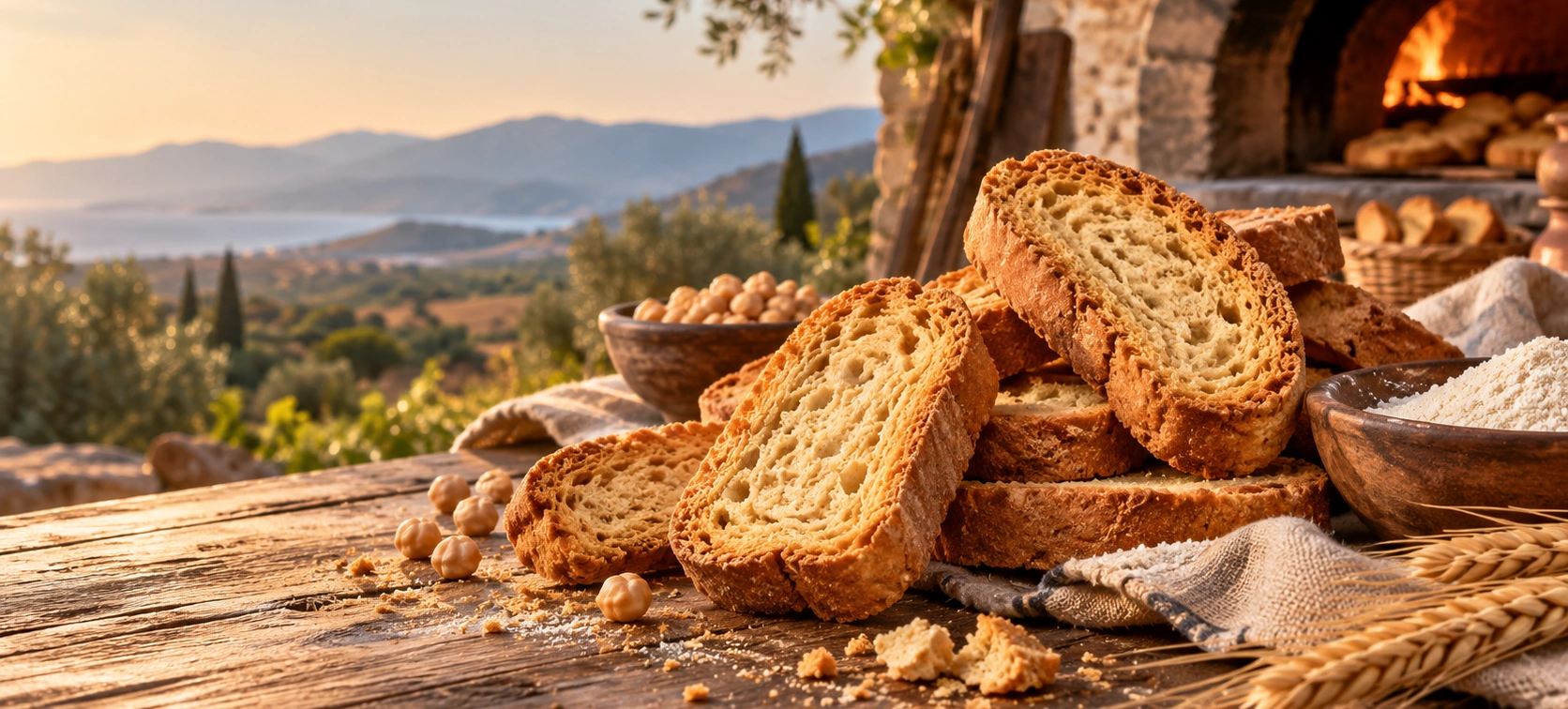
Discover the history and preparation of Söke's traditional twice-baked bread, with an opportunity to explore regional bakery culture and taste distinctive local specialities.
Request This Experience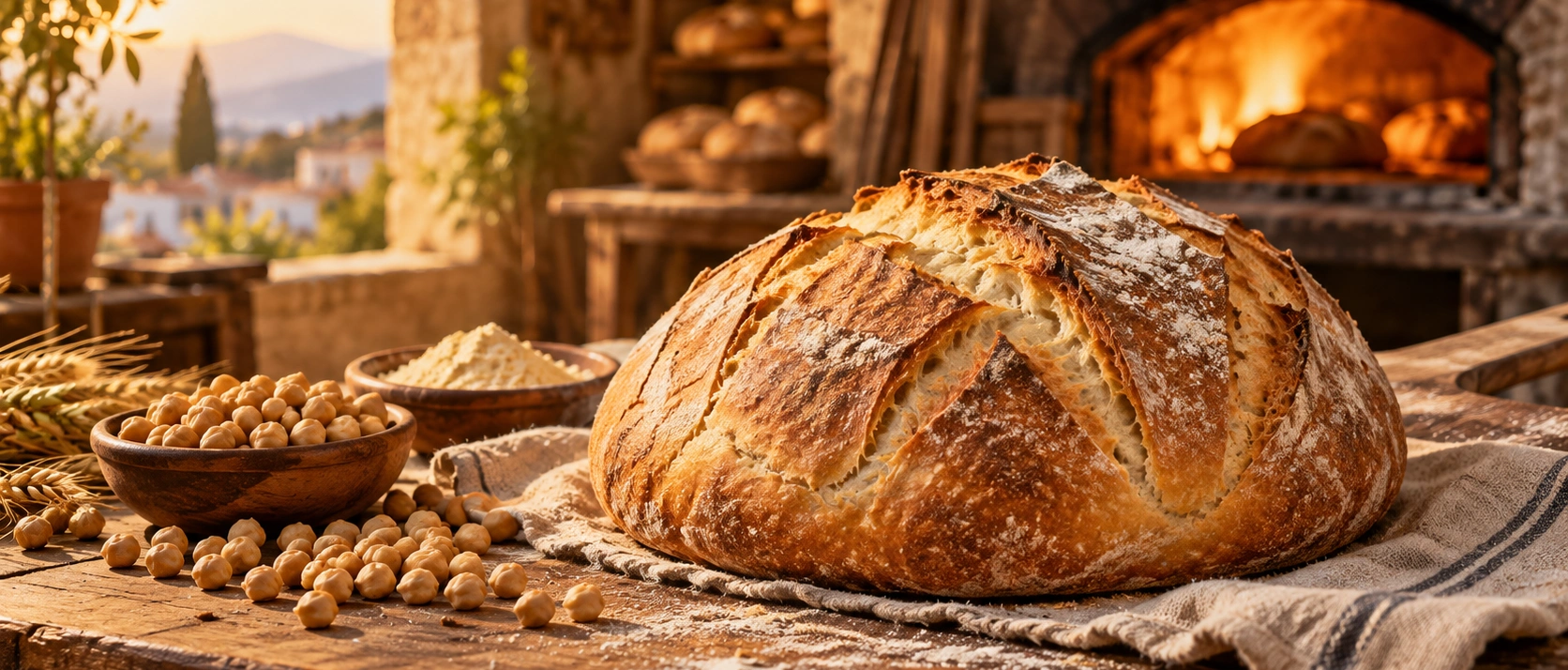
Explore the relationship between Söke Tatlı Maya Ekmeği and Söke Peksimeti, discovering how traditional chickpea fermentation produces two distinctive regional bakery specialities.
Plan Your Food ExperienceCombine Söke's fascinating food heritage with the ancient civilisations and remarkable natural landscapes of western Aydın.
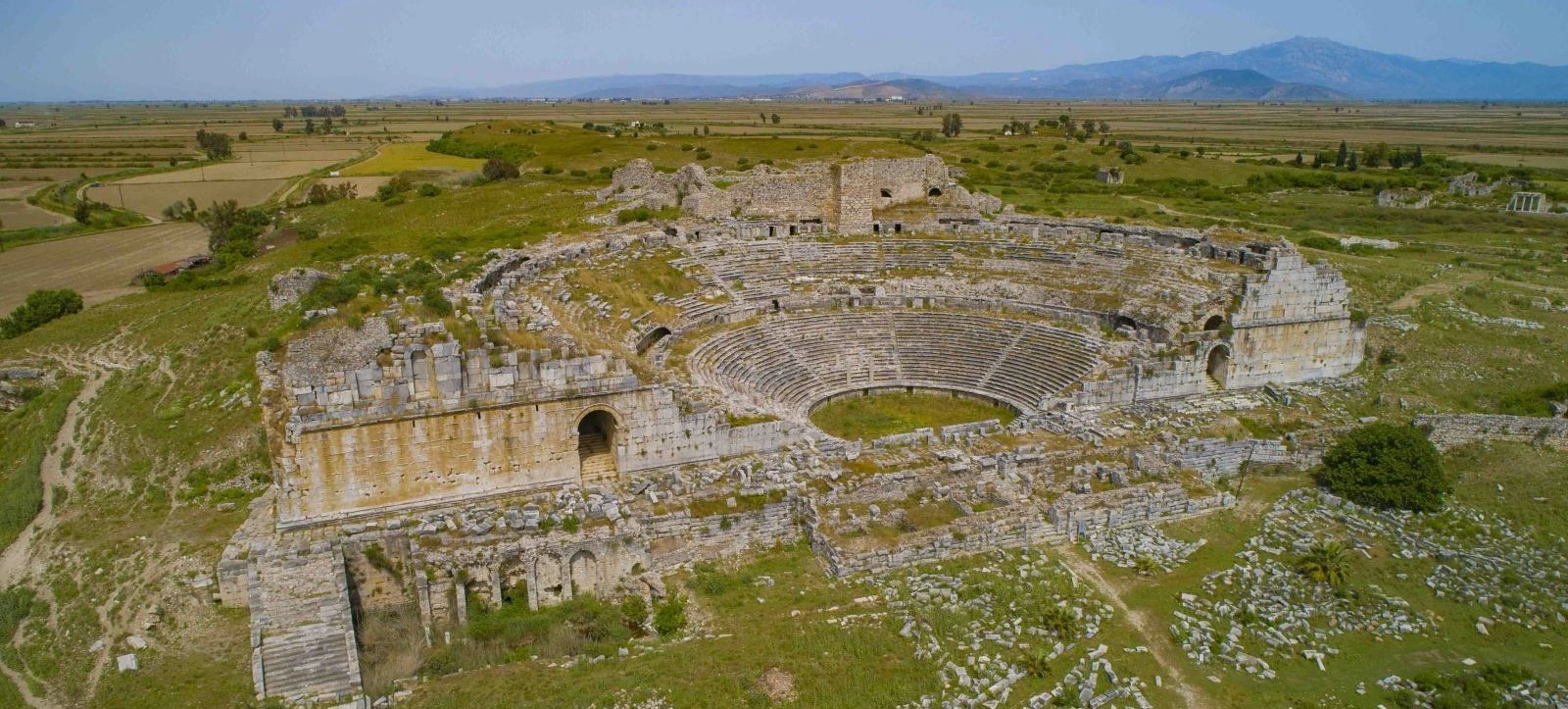
Explore the magnificent ancient city of Miletus and the Temple of Apollo at Didyma, complemented by an introduction to Söke's distinctive traditional foods and bakery culture.
Request a Private Tour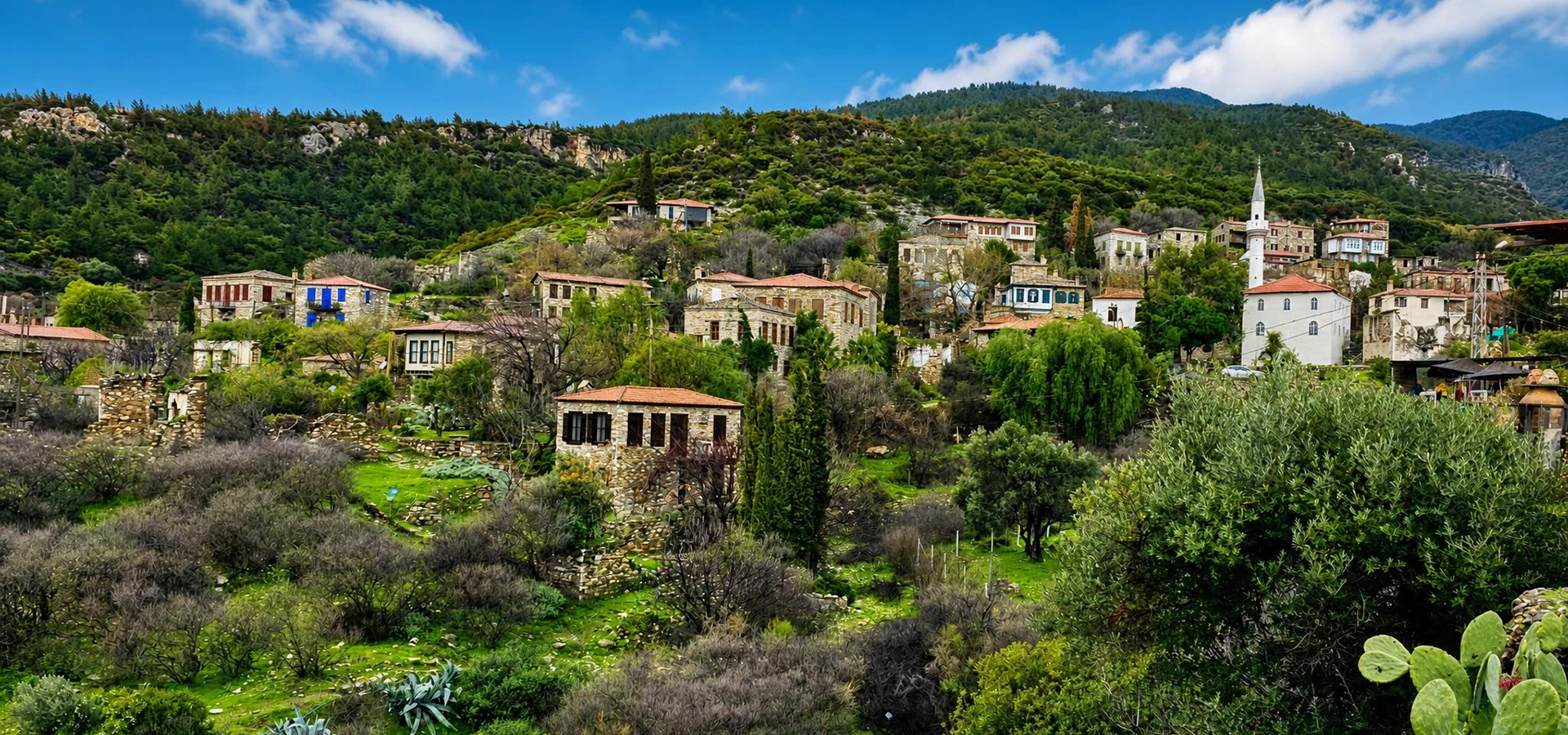
Discover the historic atmosphere of Old Doğanbey Village, the landscapes of the Büyük Menderes Delta, and the traditional culinary culture of Söke through a personalised private journey.
Plan Your Private Journey