Melon Seeds
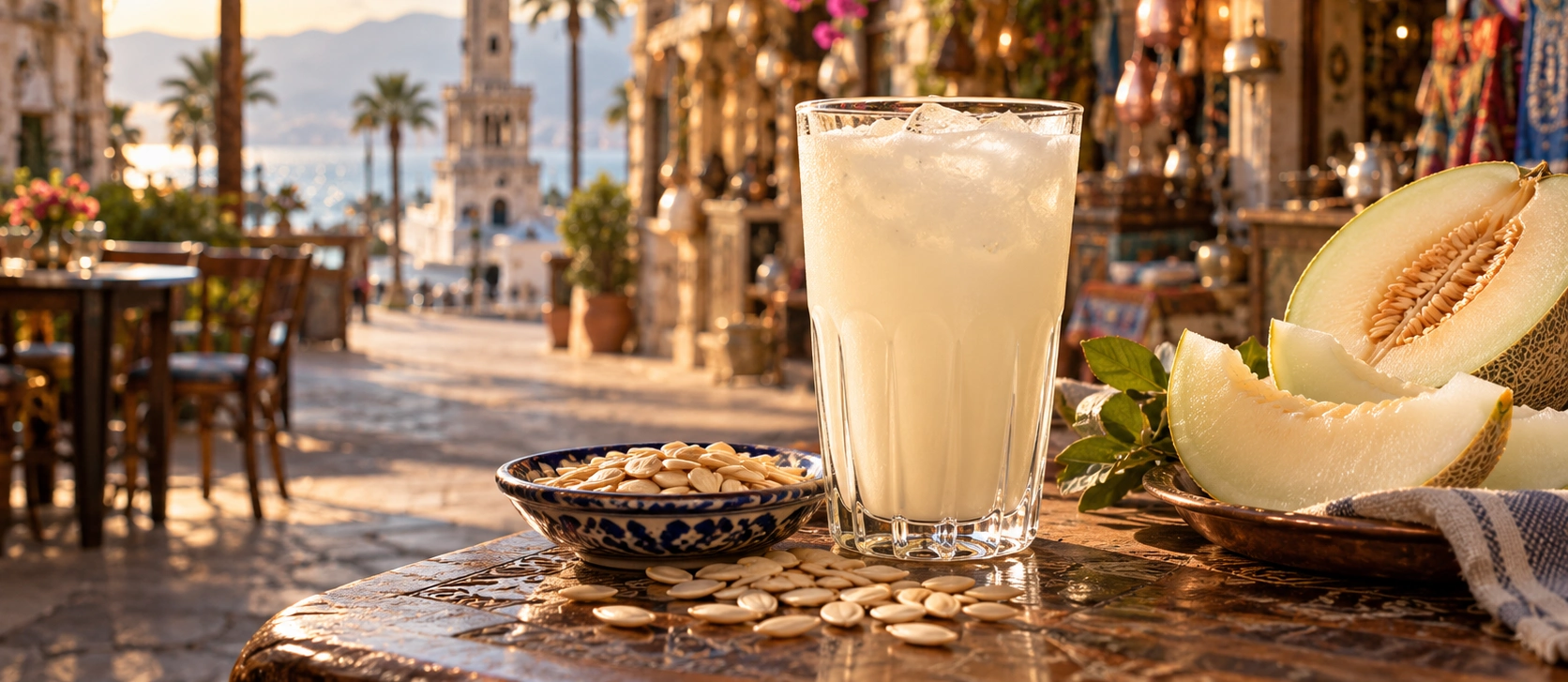
Melon seeds provide the characteristic flavour, body and pale appearance of traditional sübye.
- Role: Main ingredient
- Preparation: Soaked and ground
- Character: Mild and nutty






Among the many flavours hidden within İzmir's extraordinarily diverse culinary culture, few are as surprising as sübye. Pale, refreshing and delicately sweet, this traditional drink is prepared primarily from melon seeds, water and sugar.
Unlike famous İzmir foods such as boyoz, gevrek or kumru, sübye remains relatively little known outside the region. Even within İzmir, it is no longer something visitors will necessarily encounter on every street.
Its story is closely associated with the Sephardic Jewish culinary heritage of İzmir and western Anatolia. Similar melon-seed preparations have long existed within Sephardic food traditions, and sübye became particularly associated with İzmir, Tire and surrounding parts of the Aegean.
Today, sübye is both a refreshing drink and a fascinating reminder of how migration, local ingredients and generations of culinary exchange shaped the food culture of İzmir.
The distinctive pale drink is traditionally prepared by grinding melon seeds and extracting their flavour into water.
Sübye is particularly associated with İzmir and nearby Aegean communities including Tire.
The drink is strongly connected with the historic Sephardic Jewish culinary traditions of İzmir.
Sübye is traditionally enjoyed chilled, making it especially refreshing during warm Aegean weather.
Essential information about one of the most unusual traditional drinks in İzmir cuisine.
Sübye is particularly associated with İzmir and parts of western Türkiye, including Tire.
Open İzmir on Google MapsMelon seeds are ground and mixed with water before the liquid is strained and sweetened.
The finished drink is usually pale or milky-looking despite traditionally containing no milk.
Sübye is generally served cold and enjoyed as a refreshing traditional beverage.
Migration, Sephardic traditions and Aegean ingredients all meet in this remarkable İzmir drink.
İzmir's cuisine cannot be understood through a single cultural tradition. For centuries, the city was a major Aegean port where communities, ingredients and cooking techniques from different parts of the Mediterranean encountered one another.
One of the communities that played an important role in this culinary history was İzmir's Sephardic Jewish community. Families preserved food traditions with roots in the Iberian world while adapting recipes to ingredients available in western Anatolia.
Sübye is commonly connected with this Sephardic culinary heritage. Similar drinks prepared from melon seeds are known within Sephardic food traditions, and the technique became associated particularly strongly with İzmir, Tire and the surrounding Aegean region.
The basic idea is remarkably resourceful. Instead of discarding melon seeds after the fruit has been eaten, the seeds are cleaned, preserved and transformed into a refreshing drink.
This combination of thrift, local agriculture and culinary memory allowed an ingredient that might otherwise have been discarded to become something distinctive.
Today, sübye is considerably less visible than İzmir's famous boyoz or gevrek. Yet precisely because it is harder to encounter, finding a properly prepared glass can feel like discovering a surviving piece of the city's culinary history.
Sübye transforms a handful of simple ingredients into a smooth, refreshing drink unlike almost anything else in İzmir cuisine.
Melon seeds provide the characteristic flavour, body and pale appearance of traditional sübye.
Water extracts flavour and richness from the ground seeds and transforms the paste into a drink.
Sugar traditionally balances the subtle flavour of the melon seeds and creates sübye's gentle sweetness.
Although sübye can look surprisingly milky, the traditional basic recipe obtains its colour from the ground seeds rather than dairy.
Traditional sübye is highly perishable and is best enjoyed fresh and properly chilled.
Its importance lies not only in flavour but also in the culinary history carried through generations of İzmir families.
The exact proportions vary between households and producers, but traditional sübye follows a surprisingly simple process built around extracting flavour and richness from melon seeds.
Melon seeds are saved rather than discarded, turning a by-product of the fruit into the main ingredient of the drink.
The seeds are thoroughly cleaned. Traditional preparation may use seeds that have been dried for later use.
Dried seeds can be soaked in water to soften them before grinding.
The softened melon seeds are crushed or ground until they form a rich seed mixture.
Sugar and water are incorporated so that the flavour and natural richness of the seeds can disperse through the liquid.
The mixture is carefully strained before being chilled and served cold.
Visitors sometimes expect a strongly melon-flavoured drink, but sübye is considerably more subtle. Much of its character comes from the seeds rather than the sweet flesh of the melon.
Sugar gives traditional sübye a pleasant sweetness without changing its distinctive seed-based character.
Ground melon seeds can create a mild flavour reminiscent of other seed and nut-based drinks.
Proper extraction gives the drink more body than ordinary flavoured water or sherbet.
The liquid becomes naturally pale and cloudy as material from the seeds disperses through the water.
Cold serving temperatures make sübye particularly refreshing during İzmir's warm spring and summer weather.
Sübye is made from the seeds, so its flavour should not be confused with juice prepared directly from melon flesh.
One of the most fascinating aspects of sübye is its connection with İzmir's Sephardic culinary heritage.
Sephardic Jewish communities arriving in Ottoman lands from the Iberian Peninsula brought languages, customs and culinary traditions that would interact with local Anatolian ingredients for centuries.
İzmir's Sephardic families preserved distinctive pastries, vegetable dishes and drinks while adapting them to western Anatolia.
Drinks produced by grinding and straining melon seeds have strong parallels within Sephardic culinary traditions.
Like many heritage foods, sübye survived largely through recipes prepared in homes and passed between generations.
İzmir's historic Jewish quarter around Havra Sokağı preserves important traces of the community that helped shape local cuisine.
Over centuries, dishes associated with individual communities became part of İzmir's wider culinary identity.
Tasting traditional food provides another way to understand the multicultural history hidden within modern İzmir.
Sübye is not connected only with central İzmir. Tire, one of the historic towns of İzmir Province, is also strongly associated with the preservation of the drink.
Tire has a remarkably deep culinary culture shaped by its fertile agricultural surroundings, historic markets and generations of cultural exchange.
Tire developed as an important commercial and agricultural centre in western Anatolia.
Local markets remain an excellent place to understand the agricultural ingredients behind regional Aegean cooking.
The district historically supported a Jewish community whose food traditions became part of Tire's wider culinary memory.
Tire is frequently mentioned alongside İzmir when discussing the survival of traditional melon-seed sübye.
The town is also known for distinctive meat, vegetable and dairy traditions reflecting the surrounding countryside.
A visit to Tire can become an excellent extension for travellers exploring the lesser-known food traditions of İzmir Province.
Sübye also provides a fascinating example of something modern chefs increasingly describe as zero-waste cooking.
The drink gives value to melon seeds that might otherwise be thrown away after the fruit is eaten.
Traditional food cultures often found productive uses for peels, seeds, leaves and other parts of ingredients.
Sübye transforms the seeds from a seasonal fruit into the foundation of an entirely separate product.
Drying seeds made it possible to preserve them until they were needed for later preparation.
The drink creates another connection between İzmir cuisine and the agricultural landscapes surrounding the city.
Reviving heritage recipes can encourage creative use of ingredients while preserving cultural knowledge.
A humble melon seed becomes a reminder that traditional kitchens often understood resourcefulness extremely well.
Because sübye is relatively uncommon today, asking directly may be the easiest way to discover whether a traditional drinks shop, restaurant or local producer has it available.
Sübye is part of İzmir's culinary heritage, but visitors should not expect it to be as widely available as boyoz, gevrek or Turkish coffee. Availability can change considerably.
İzmir's historic bazaar is one of the most logical places to search for traditional drinks and old-fashioned local flavours.
The historic food-market area around İzmir's synagogues provides important context for understanding the city's Sephardic culinary heritage.
Businesses specialising in traditional Turkish sherbets and drinks may occasionally prepare sübye.
Culinary festivals and heritage events sometimes revive foods and drinks that are difficult to find in everyday restaurants.
The historic district remains strongly connected with traditional Aegean food culture and the sübye tradition.
Because production may be seasonal or limited, asking market traders and traditional food specialists can often be more useful than relying on fixed lists.
Sübye becomes even more interesting when experienced as part of İzmir's wider culinary heritage.
Explore another famous İzmir speciality with an important connection to the city's Sephardic culinary history.
Discover İzmir's distinctive interpretation of the sesame-covered bread ring found throughout Türkiye.
Try one of the city's best-known sandwiches and another essential part of modern İzmir food culture.
Discover the deep-fried syrup dessert connected with both celebration and community traditions in İzmir.
Continue your journey through the herbs, vegetables, olive oil and shared dishes of the Aegean table.
Explore another side of İzmir's food identity through the fish and seafood traditions of the Aegean coast.
Sübye is not available everywhere, so checking whether it is being prepared that day can save time.
Traditional sübye is delicate and highly perishable, so freshness matters.
The drink should be properly chilled and handled carefully because of its short keeping quality.
The flavour comes from melon seeds rather than the flesh, creating a very different drinking experience.
Recipes vary, so travellers with allergies or dietary restrictions should always confirm exactly what has been added.
Searching for sübye provides an excellent excuse to explore İzmir's historic food markets and old commercial streets.
The surrounding historic Jewish quarter helps place the drink within the broader story of Sephardic İzmir.
Discovering lesser-known flavours like sübye reveals a much deeper side of İzmir's culinary identity.
Sübye may appear simple, but its story captures many of the themes that make İzmir cuisine so fascinating: migration, agriculture, cultural exchange, resourcefulness and family tradition.
The city's cuisine developed through centuries of interaction between communities around the Aegean and Mediterranean.
Jewish culinary traditions left lasting traces within İzmir's wider food culture.
Melon seeds connect the drink directly with the fertile landscapes of western Anatolia.
An ingredient easily discarded elsewhere becomes the basis of an entirely new drink.
Heritage foods often survive because recipes continue to be prepared within homes long after commercial production declines.
Each surviving producer keeps part of İzmir's culinary history accessible to another generation.
Searching for sübye can become part of a fascinating day exploring the historic heart of İzmir and the foods created by the communities that shaped the city.
Travellers particularly interested in gastronomy can connect sübye with several other distinctive food traditions across İzmir Province.
Discover markets, street foods, traditional businesses and the multicultural heart of historic İzmir.
Explore an area closely associated with İzmir's Jewish community and the food culture of the old city.
Travel inland to discover one of İzmir Province's richest traditional market and culinary cultures.
Explore olive oil, artichokes, seasonal ingredients and İzmir's contemporary Aegean gastronomy.
Continue through the peninsula for seafood, local produce and long Aegean meals beside the coast.
Experience fishing-town traditions, mezes and seafood in one of northern İzmir's most atmospheric destinations.
The importance of sübye goes far beyond whether the drink becomes commercially popular again. It represents a small but meaningful piece of İzmir's multicultural culinary memory.
The drink preserves traces of communities that helped shape the social and culinary identity of İzmir.
Sübye offers travellers another way to discover İzmir's important Jewish history through food.
The preparation technique represents culinary knowledge once transferred naturally between generations.
Melon seeds connect cultural tradition with the agricultural abundance of western Anatolia.
Transforming discarded seeds into a drink demonstrates the efficiency of traditional food practices.
Rare regional flavours allow visitors to experience destinations beyond the foods found on standard tourist menus.
Sübye is only one chapter in an extraordinary culinary story. Continue exploring İzmir through its street foods, Aegean herbs, vegetables, seafood and desserts.
Discover İzmir's famous flaky pastry and another remarkable contribution associated with the city's Sephardic heritage.
Explore the crispy sesame-covered bread ring that forms part of everyday İzmir life.
Discover the famous İzmir sandwich served in distinctive sesame bread.
Meet the remarkable wild greens and edible plants that define much of western Türkiye's cuisine.
Explore the olive oil, vegetables, yoghurt dishes, herbs and seafood of the shared Aegean table.
Discover one of the most recognisable coastal greens served in İzmir's seafood and meze restaurants.
Explore the fish, octopus, calamari and seafood traditions of the Aegean coast.
Finish your culinary journey with one of İzmir's most beloved traditional sweets.
The historic neighbourhoods where visitors are most likely to encounter İzmir's culinary heritage are also among the city's most interesting cultural areas.
Explore one of Türkiye's great historic commercial districts filled with markets, food shops, inns and traditional trades.
Walk through the historic market street at the heart of İzmir's old Jewish neighbourhood.
Discover the religious and cultural heritage of the Sephardic community that flourished in Ottoman İzmir.
Explore the ancient Roman marketplace and discover another layer of İzmir's extraordinarily long urban history.
See İzmir Clock Tower and the waterfront before entering the historic streets of Kemeraltı.
Finish your food journey beside the Aegean with a walk along İzmir's famous waterfront.
Sübye is a traditional pale drink prepared primarily from melon seeds, water and sugar and particularly associated with İzmir and parts of western Türkiye.
Traditional sübye is made by grinding melon seeds, combining them with water and sugar and then straining the mixture.
Sübye traditionally uses the seeds of the melon rather than relying on the sweet flesh of the fruit.
The traditional basic preparation does not require milk even though the finished drink has a pale, milky appearance. Individual recipes can vary, so travellers with allergies should always ask.
Sübye is gently sweet with a subtle seed-like or slightly nutty character. It is quite different from ordinary melon juice.
Sübye is generally served chilled and is particularly refreshing during warm weather.
Yes. Sübye is strongly associated with İzmir and its surroundings, although related melon-seed drinks exist in other culinary traditions.
The preparation of sübye in İzmir is widely associated with the culinary traditions of the city's historic Sephardic Jewish community.
Availability varies, but Kemeraltı, traditional beverage specialists, heritage food events and places connected with old İzmir cuisine are good places to begin looking.
Tire is historically associated with the sübye tradition and remains an important destination for travellers interested in traditional İzmir Province cuisine.
Traditional sübye has a short shelf life and is generally produced fresh in relatively small quantities, making large-scale distribution more difficult than with bottled drinks.
No. Melon juice is normally prepared from the flesh of the fruit, while sübye obtains its distinctive character from melon seeds.
A traditional recipe made only from melon seeds, water and sugar contains no animal ingredients. However, recipes and preparation environments vary, so always confirm directly if this is important to you.
The traditional ingredients themselves do not require wheat or other gluten-containing grains, but anyone with coeliac disease or a serious allergy should confirm preparation and cross-contamination directly with the producer.
Grinding the seeds releases their flavour and natural richness into the water, creating the pale colour and characteristic texture of the drink.
It is often described as a traditional İzmir sherbet or melon-seed drink, although its seed-based preparation gives it a different texture from many fruit or flower sherbets.
Boyoz is the most famous example. Exploring the food traditions around Kemeraltı and İzmir's historic Jewish quarter also reveals the wider influence of Sephardic cuisine on the city.
Try boyoz, gevrek, kumru, İzmir köfte, Tire köfte, Ödemiş köfte, stuffed zucchini flowers, artichokes, Aegean herbs, seafood, lokma and the city's extensive meze culture.
Sübye offers unusual opportunities for culinary photography because its simple pale appearance contrasts beautifully with the colourful markets and historic streets where İzmir's food traditions developed.
Photograph the pale drink in natural light to capture its distinctive cloudy appearance.
Include the raw ingredient beside the finished drink to immediately explain what makes sübye unusual.
If permitted, photograph the grinding or straining process that transforms ordinary seeds into the finished drink.
Historic market streets provide cultural context and connect the drink visually with old İzmir.
Images of the surrounding historic quarter can help tell the deeper story of İzmir's Sephardic culinary heritage.
A glass of sübye beside boyoz or another İzmir speciality creates an excellent visual introduction to the city's food culture.
When photographing shopkeepers, food producers, market sellers or local residents, always ask permission before taking close portraits. The people preserving İzmir's traditional foods are an important part of the story.
Discover İzmir through historic markets, Sephardic heritage, traditional drinks, street foods, Aegean ingredients and the remarkable communities that created the city's culinary identity.
Custom-designed private touring with professional guiding, comfortable transportation and flexible timing for travellers interested in the deeper stories behind İzmir's markets and culinary traditions.
Explore Kemeraltı, traditional food markets and historic neighbourhoods while discovering boyoz, sübye, local street foods and İzmir's multicultural culinary heritage.
Request This Tour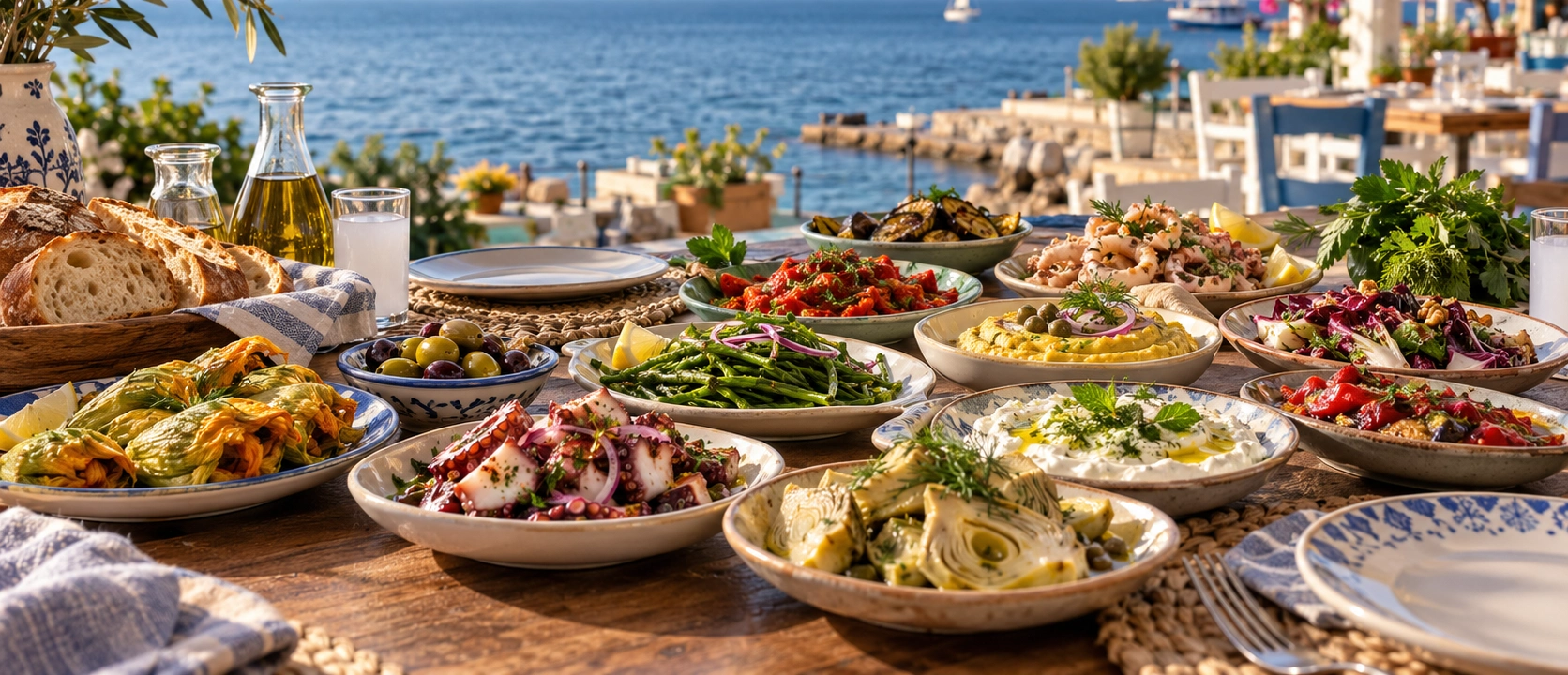
Continue from İzmir's historic food traditions into the world of olive oil, seasonal herbs, vegetables, seafood and the famous Aegean meze table.
Design Your ExperienceCombine İzmir city with Tire, Urla and the surrounding region for a journey through historic markets, Sephardic heritage, local agriculture and the extraordinary food culture of western Türkiye.

Walk through İzmir's historic commercial heart while exploring local markets, Havra Sokağı, traditional foods and centuries of cultural exchange.
Design Your Journey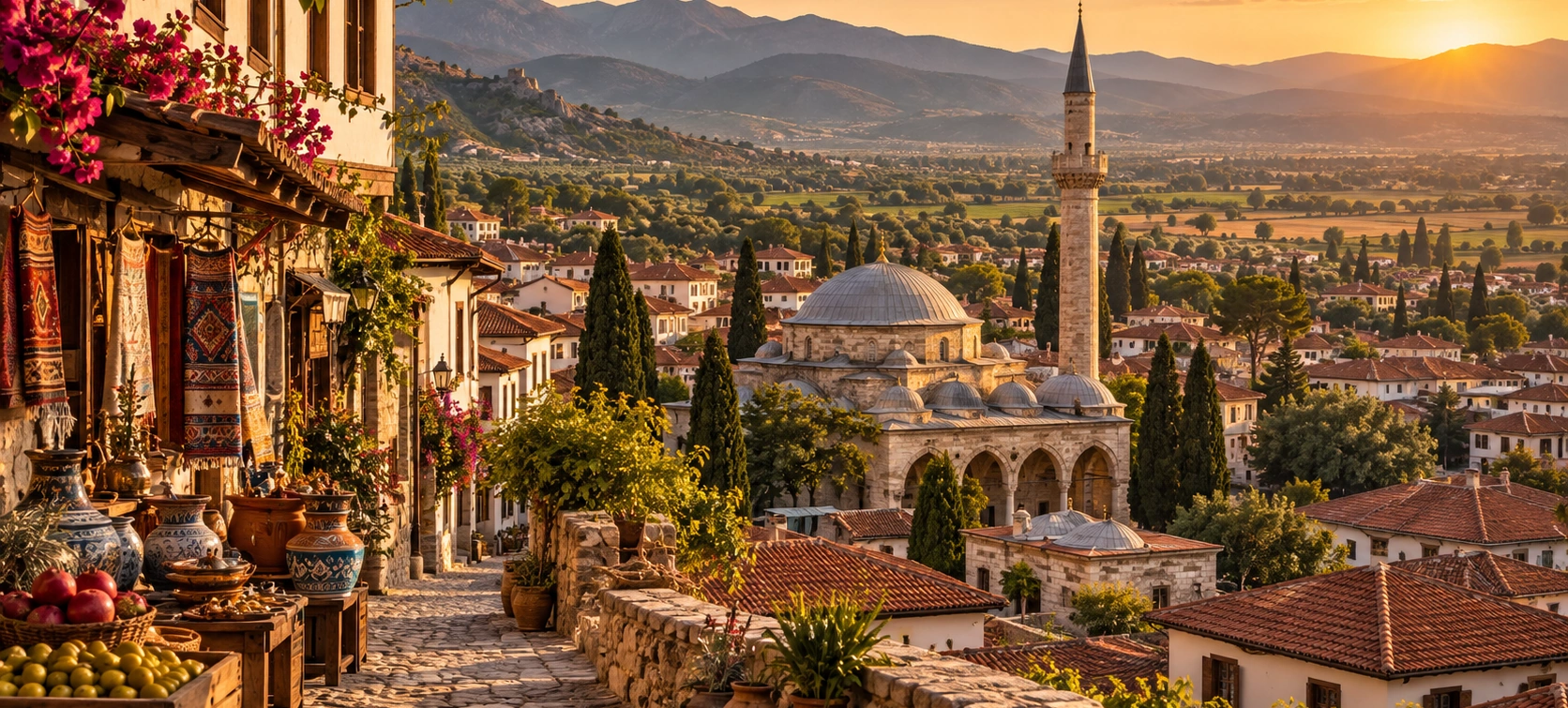
Explore one of İzmir Province's great traditional food destinations through local markets, regional dishes, agricultural products and culinary history.
Request This Tour