Fruit Sherbets
Seasonal fruits can provide sweetness, acidity, colour and aroma.
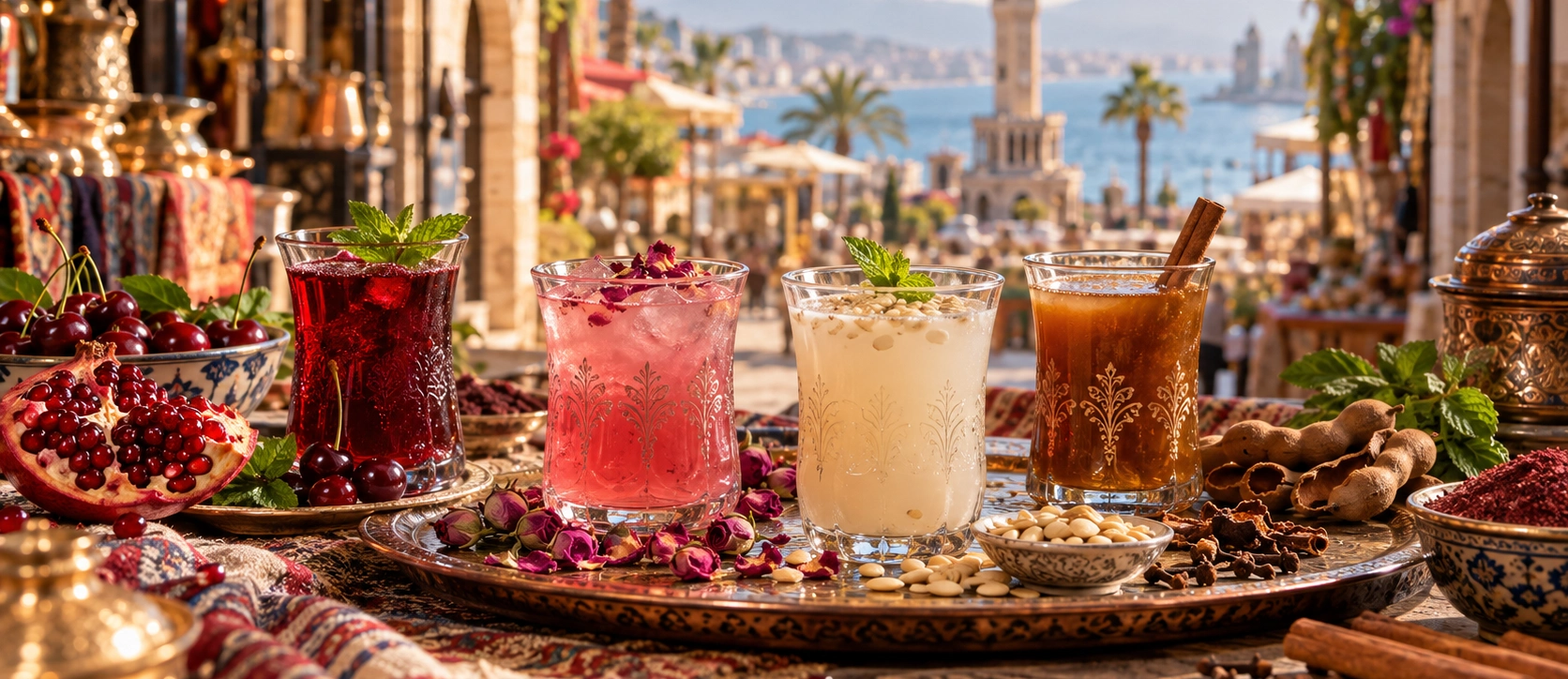
- Examples: Sour cherry, pomegranate
- Character: Fruity
- Serving: Usually chilled






Long before bottled soft drinks filled refrigerators, people across Türkiye refreshed themselves with an extraordinary variety of şerbet — sweetened drinks prepared from fruits, flowers, seeds, herbs and spices.
In İzmir, this tradition feels especially appropriate. The city's warm Aegean climate, fertile surroundings, historic markets and multicultural culinary heritage created an environment where refreshing drinks naturally became part of everyday food culture.
Historic Kemeraltı Bazaar remains one of the most interesting places to explore this heritage. Among its food shops, cafés and market streets, travellers can still encounter echoes of Türkiye's traditional drink culture alongside lemonade, Turkish coffee and other local refreshments.
Some sherbets are intensely fruity. Others are floral, spicy, tart or gently aromatic. Ingredients may include sour cherries, pomegranate, rose, tamarind, sumac, cinnamon, cloves, hibiscus, citrus fruits and melon seeds.
Together they reveal another fascinating layer of İzmir cuisine — one built around seasonality, hospitality, preservation and refreshment.
Traditional sherbets can be prepared from fruits, blossoms, herbs, seeds and fragrant spices.
İzmir's historic bazaar remains closely connected with the city's traditional street-food and drink culture.
Sherbets formed an important part of the wider beverage culture inherited from the Ottoman culinary world.
Many sherbets are especially enjoyable chilled during İzmir's warm spring and summer months.
Essential information about the colourful traditional drinks found within İzmir and Turkish culinary culture.
Kemeraltı and İzmir's historic centre are excellent places to begin exploring traditional drink culture.
Open Kemeraltı on Google MapsFruit, flowers, herbs, spices, seeds, water and sugar can all form part of traditional sherbet recipes.
Sherbets range from sweet and floral to tart, fruity, spicy or gently aromatic.
Many varieties are served chilled, particularly during warm weather and summer gatherings.
Hospitality, seasonal fruit and centuries of culinary exchange all meet inside a glass of traditional sherbet.
The Turkish word şerbet describes a broad family of sweetened beverages that can be prepared from fruits, flowers, herbs, spices or other aromatic ingredients.
Sherbets were part of a sophisticated beverage culture in the Ottoman world. Different preparations were served in homes, markets, palaces, religious celebrations and social gatherings.
Before modern refrigeration and commercially bottled drinks became widespread, sherbets provided an imaginative way to transform seasonal ingredients into colourful refreshments.
İzmir was particularly well placed to absorb and reinterpret these traditions. For centuries, the city functioned as a major Aegean port where Turkish, Greek, Sephardic Jewish, Levantine, Balkan and other Mediterranean communities interacted.
The surrounding region also produced an extraordinary variety of fruits, herbs and agricultural products. Local ingredients could therefore meet recipes and culinary traditions arriving from many directions.
Today the culture survives in a more fragmented form. Some drinks remain familiar, while others appear mainly in traditional businesses, heritage events, Ramadan menus, speciality cafés or family kitchens.
Searching for traditional sherbet in İzmir therefore becomes more than simply looking for something cold to drink. It offers a small window into the city's markets, hospitality traditions and multicultural culinary memory.
Sherbet is not one fixed recipe. It is better understood as a traditional family of sweetened and flavoured drinks.
Seasonal fruits can provide sweetness, acidity, colour and aroma.
Aromatic blossoms such as rose can create intensely fragrant traditional drinks.
Cinnamon, cloves and other spices may give sherbet a complex aromatic character.
Ingredients such as sumac or sour fruits produce drinks where sweetness is balanced by refreshing acidity.
İzmir's remarkable sübye shows how even melon seeds can become the foundation of a traditional drink.
The recipes themselves are part of Türkiye's wider culinary heritage and often vary from family to family.
There is no single definitive list of Turkish sherbets. Ingredients and recipes differ according to region, season, household and historical period. These are some of the flavours travellers may encounter while exploring traditional drink culture.
A beautifully aromatic drink in which the fragrance of rose gives the sherbet its unmistakably floral identity.
Known in Turkish as demirhindi şerbeti, this historic drink combines the distinctive sweet-and-sour character of tamarind with aromatic ingredients.
Vişne provides deep colour and a naturally sweet-tart profile especially suited to chilled summer drinks.
Pomegranate can produce a richly coloured drink balancing fruit sweetness with refreshing acidity.
Sumac creates an unusual ruby-toned drink with a characteristic tart and slightly astringent character.
Hibiscus contributes striking red colour and a pleasantly tart flavour to modern and traditional-style sherbet preparations.
Cinnamon can be used as a dominant flavour or combined with fruits and other spices for a warmer aromatic profile.
Fragrant quince works beautifully in cooked fruit preparations and can create a delicate seasonal sherbet.
Türkiye's long grape-growing traditions naturally provide opportunities for sweet fruit-based drinks and syrups.
Lemon, orange and citrus peel can provide refreshing acidity and perfume, particularly during hot weather.
Mint and aromatic herbs may be used alone or alongside fruit, sugar and spices to add freshness.
Discover İzmir's extraordinary traditional drink prepared from melon seeds, water and sugar.
There is no universal sherbet recipe, but many preparations follow the same basic idea: extracting flavour and aroma from ingredients before balancing the resulting liquid with sweetness and acidity.
Fresh or dried fruit, flowers, herbs, spices or seeds form the flavour foundation of the drink.
Ingredients may be washed, sliced, crushed, soaked or otherwise prepared to release their flavour.
Depending on the recipe, ingredients may be simmered, infused or soaked in water.
Sugar, and historically sometimes honey or other sweetening ingredients, balances the drink.
Solid ingredients are generally removed to create a smooth liquid suitable for serving.
Many sherbets are cooled thoroughly before being poured into glasses and enjoyed as a refreshing drink.
The extraordinary thing about sherbet is its diversity. Two drinks described by the same word can taste completely different depending on their ingredients.
Sugar forms an important part of many recipes, although the sweetness level can vary considerably.
Sour cherry, pomegranate, sumac and citrus can introduce refreshing acidity.
Rose and other fragrant ingredients create delicate perfumes that distinguish floral sherbets from ordinary fruit juice.
Cinnamon, cloves and related spices can create warm, complex aromas even when the finished drink is served cold.
Fruit-based sherbets preserve the recognisable flavour of their main ingredient while becoming lighter and more drinkable.
When served chilled, the balance of sweetness, aroma and acidity makes many sherbets particularly enjoyable in Aegean weather.
Sherbet occupied an important place within the wider beverage culture of the Ottoman world. Long before industrial soft drinks, cooks and households developed an enormous repertoire of aromatic refreshments.
Fruits, flowers and spices could be transformed into syrups or drinks and offered to guests, served during special occasions or enjoyed according to season.
Offering refreshments to guests has long been an important element of Turkish social and culinary culture.
Elaborate fruit, flower and spice preparations formed part of the sophisticated culinary traditions associated with Ottoman palace kitchens.
Sherbet was never limited to elite cuisine. Numerous versions were also prepared within households.
Traditional beverage sellers once formed part of the wider street and marketplace culture of Ottoman towns.
Sweet drinks could accompany celebrations, gatherings, religious occasions and important family moments.
Recipes naturally reflected ingredients available at different moments of the year.
İzmir's cuisine developed through centuries of contact between different populations living around the Aegean, Anatolia, the Balkans and the wider Mediterranean.
Sherbet fits naturally into this story because it combines agriculture, seasonality, trade, hospitality and culinary exchange.
İzmir Province produces an extraordinary range of fruits, herbs and aromatic ingredients suitable for drinks and preserves.
Historic Smyrna connected western Anatolia with Mediterranean trading networks, bringing people, ingredients and culinary traditions together.
Turkish, Greek, Sephardic, Levantine, Balkan and other communities all contributed to İzmir's diverse food culture.
Refreshing cold drinks naturally appeal during the long warm seasons experienced along the Aegean coast.
Kemeraltı preserves the commercial atmosphere in which food, spices, sweets and drinks have circulated for generations.
Modern chefs and heritage-focused businesses increasingly revisit forgotten drinks alongside better-known İzmir specialities.
For travellers interested in traditional İzmir food culture, Kemeraltı is the natural place to begin.
The enormous historic commercial district extends inland from Konak and contains market streets, food shops, cafés, historic inns, mosques, synagogues and businesses representing generations of İzmir life.
Look for businesses specialising in old-fashioned beverages, lemonade, Turkish coffee and heritage-style sherbets.
Seeing cinnamon, cloves, sumac, dried hibiscus and other ingredients helps explain the aromatic world behind traditional drinks.
Seasonal produce provides another connection between İzmir's agricultural surroundings and its urban food traditions.
Kemeraltı's han buildings recall the merchants and trading networks that once filled the district.
The historic food-market area around İzmir's synagogue district reveals another important layer of the city's culinary story.
Sherbet selection can vary daily and seasonally, so asking local vendors is often more useful than searching for one fixed menu.
Among İzmir's traditional drinks, sübye deserves special attention because its preparation is unlike most fruit or flower sherbets.
Instead of using melon flesh, traditional sübye transforms melon seeds into a pale, gently sweet drink.
The seeds are saved, cleaned and prepared rather than discarded after the fruit is eaten.
Grinding the seeds allows their flavour and richness to pass into the water.
Sübye develops a naturally cloudy, almost milky appearance even though traditional basic recipes require no milk.
The İzmir tradition is closely associated with the city's historic Sephardic Jewish culinary culture.
Tire is another important centre associated with the survival of the traditional drink.
Read our complete guide to the history, ingredients, preparation and cultural heritage of this remarkable İzmir drink.
Traditional food cultures naturally followed the agricultural calendar. Sherbet is therefore particularly interesting when prepared using fruits and herbs at their best.
Fresh herbs, flowers and early fruits can inspire light and fragrant preparations.
Cherries, melons, grapes and other warm-season produce become natural foundations for refreshing cold drinks.
Pomegranate, quince, grapes and dried ingredients create deeper seasonal flavours.
Spices, preserved fruits and dried ingredients can produce warmer, more aromatic flavour profiles.
Small-batch sherbets may change according to what the producer can obtain locally.
Rather than expecting one permanent selection, ask which sherbet has been freshly prepared.
Traditional sherbets may not appear on every café menu, so a few simple Turkish phrases can be extremely useful.
Availability changes constantly, and traditional sherbets should not be expected on every restaurant menu. Exploring old markets and asking locally is part of the experience.
The historic commercial heart of İzmir is the first place to explore for traditional foods, drinks, sweets and spices.
This atmospheric food-market area provides both traditional ingredients and important cultural context.
Heritage-focused cafés may occasionally prepare seasonal or Ottoman-inspired sherbets.
Businesses specialising in lemonade, sherbet and other non-alcoholic traditional beverages are worth investigating.
Traditional sherbets often become more visible on special menus and at cultural events during Ramadan.
Local gastronomy events can provide opportunities to encounter drinks that are rarely prepared commercially every day.
Travellers interested in İzmir Province's traditional food heritage should also explore the historic market culture of Tire.
Shopkeepers, market traders and food specialists often know where a seasonal traditional drink can currently be found.
A glass of sherbet becomes far more interesting when it forms part of a wider exploration of İzmir's street foods, pastries and sweets.
Begin with İzmir's iconic flaky pastry and discover its connection with the city's Sephardic culinary heritage.
Try İzmir's crisp sesame-covered bread ring, one of the city's essential everyday foods.
Continue with the famous sandwich served in distinctive sesame-coated bread.
Discover İzmir's famous syrup-soaked fried dough and the community traditions surrounding it.
Compare old drink traditions with one of the city's most famous modern sweet specialities.
Explore the unusual melon-seed drink closely connected with İzmir's Sephardic food heritage.
Small-batch traditional drinks may change from day to day depending on ingredients and demand.
A tart sumac sherbet and a floral rose sherbet can taste completely different despite belonging to the same drink tradition.
Traditional recipes can be quite sweet, so ask about the flavour before ordering if you prefer less sugar.
Recipes differ considerably, which matters particularly for travellers with allergies or dietary restrictions.
Many varieties are at their most refreshing when served properly chilled.
Spice and produce stalls help reveal the raw ingredients behind traditional drinks.
Fruit-based varieties can change naturally through the year according to what is available.
Traditional sherbets can be aromatic, tart, floral or spiced and may taste very different from modern bottled beverages.
Sherbet may appear simple, but the tradition touches many of the themes that define İzmir cuisine: agriculture, migration, hospitality, markets, seasonality and cultural exchange.
Traditional drinks follow the rhythms of fruit, flowers and agricultural production.
The city's cuisine reflects centuries of interaction between communities from around the Aegean and Mediterranean.
Offering something sweet and refreshing has long formed part of social life and welcoming guests.
Syrups and concentrated preparations historically provided ways of capturing seasonal flavours for later use.
Ingredients, spices and drinks circulated through commercial districts such as Kemeraltı.
Every producer who continues an old recipe helps keep a small part of Türkiye's traditional drink culture alive.
Searching for traditional sherbet can easily become part of a full day exploring historic İzmir and its culinary traditions.
Travellers interested in gastronomy can connect İzmir's sherbet culture with some of the province's most fascinating culinary destinations.
Explore historic food shops, markets, sweets, drinks and İzmir's old commercial heart.
Discover the food traditions and multicultural heritage of İzmir's historic Jewish quarter.
Experience one of western Türkiye's great traditional market towns and explore its remarkable culinary heritage.
Discover olive oil, vineyards, artichokes, seasonal produce and contemporary Aegean gastronomy.
Combine local produce and traditional flavours with the seafood culture of the Aegean peninsula.
Continue north toward fishing-town traditions, mezes and seafood beside the Aegean.
Traditional drinks can disappear surprisingly quickly when preparation becomes concentrated in only a few households or specialist businesses.
Preserving sherbet culture is therefore about more than nostalgia. It protects culinary techniques, ingredients and memories that help explain how people ate, drank and welcomed guests before modern industrial beverages became universal.
Recipes preserve everyday traditions that may leave few traces in monuments or museums.
Sherbets provide another way to appreciate the fruits, herbs and spices used throughout western Anatolian cuisine.
Preparation techniques represent practical knowledge transferred between generations.
Traditional recipes reconnect food and drink with the agricultural calendar.
The diversity of flavours reflects Türkiye's long history of interaction between different regions and communities.
Lesser-known drinks allow travellers to discover İzmir beyond the foods found on standard tourist menus.
Traditional sherbet is only one part of İzmir's extraordinary culinary identity. Continue through its pastries, street foods, vegetables, herbs, seafood and desserts.
Discover İzmir's famous flaky pastry and its fascinating Sephardic culinary connections.
Explore the city's crispy sesame-coated bread ring and one of its most familiar breakfast traditions.
Discover the sesame-bread sandwich that became one of İzmir's best-known street foods.
Learn about the unusual traditional drink produced from melon seeds, water and sugar.
Meet the extraordinary edible greens that define so much of western Türkiye's cuisine.
Explore one of the Aegean's favourite seasonal vegetables and its place on the İzmir table.
Discover olive oil, vegetables, yoghurt, seafood and the relaxed shared-table culture of the Aegean.
Explore the fish, octopus, calamari and seafood traditions surrounding the Gulf and Aegean coast.
Finish with İzmir's famous syrup-soaked fried dough and its deep community traditions.
Discover one of the city's most recognisable contemporary sweet specialities.
The neighbourhoods most closely associated with İzmir's traditional food culture also contain some of the city's most fascinating historic attractions.
Explore one of Türkiye's great historic market districts filled with food shops, cafés, inns and traditional trades.
Step inside one of Kemeraltı's best-known historic commercial buildings and experience the atmosphere of old İzmir.
Explore the old food-market street at the heart of İzmir's historic Jewish neighbourhood.
Discover the remarkable Sephardic heritage preserved within the historic centre of İzmir.
Walk through the remains of the ancient Roman marketplace and encounter another layer of İzmir's long urban history.
See İzmir Clock Tower and the waterfront before entering the historic streets of Kemeraltı.
Enjoy panoramic views across İzmir Bay from one of the city's most recognisable historic landmarks.
Finish your culinary exploration with an evening walk beside the Aegean waterfront.
Turkish şerbet is a broad category of traditional sweetened drinks prepared using ingredients such as fruits, flowers, herbs, spices or seeds.
No. Turkish şerbet is generally a drink, while the English word sorbet normally describes a frozen dessert.
Traditional şerbet is generally a non-alcoholic beverage.
Recipes vary enormously. Fruit, flowers, herbs, spices, seeds, water and sugar are among the ingredients commonly used.
That depends entirely on the recipe. Sherbets can be fruity, tart, floral, sweet, spiced, herbal or combinations of several flavour profiles.
Many traditional sherbets are served chilled, although recipes and serving traditions vary.
Kemeraltı Bazaar, traditional beverage specialists, heritage cafés, food festivals and cultural events are good places to begin searching. Availability changes frequently.
Sübye is especially distinctive. It is prepared primarily from melon seeds, water and sugar rather than ordinary fruit juice.
Demirhindi şerbeti is tamarind sherbet, a traditional drink prepared using the characteristic sweet-and-sour flavour of tamarind, often together with aromatic ingredients.
Rose sherbet is a fragrant traditional drink in which rose provides the dominant floral aroma and flavour.
Sumac sherbet uses sumac to create a tart, slightly astringent and refreshing drink with a distinctive reddish colour.
Sour cherry or vişne sherbet is a fruit-based drink appreciated for its combination of deep colour, sweetness and refreshing acidity.
Sherbets formed an important part of Ottoman beverage culture, although related sweetened and flavoured drinks exist across a much wider geography.
Yes. Fruit, flower, herb and spice-based drinks were prepared for centuries before commercially bottled soft drinks became common.
Many traditional recipes contain substantial sugar, but sweetness varies according to the recipe and producer.
Many recipes based on fruit, spices, water and sugar contain no animal-derived ingredients, but recipes vary and travellers should always confirm directly when this is important.
Many traditional fruit and spice sherbets do not inherently require gluten-containing ingredients, but anyone with coeliac disease or serious allergies should confirm ingredients and preparation conditions directly.
Sherbets are particularly refreshing during İzmir's warm spring and summer weather, although traditional drinks can be enjoyed throughout the year.
Traditional and Ottoman-style sherbets often become more visible during Ramadan, when they may appear on iftar menus and at cultural events.
Use the tasting as an opportunity to explore boyoz, gevrek, kumru, lokma and other local specialities. The ideal pairing depends on the sweetness and flavour of the sherbet.
Look for sübye, traditional lemonade, Turkish coffee, Turkish tea and seasonal locally prepared refreshments.
Try boyoz, gevrek, kumru, İzmir köfte, Tire köfte, stuffed zucchini flowers, artichokes, Aegean herbs, seafood, lokma, sübye and İzmir's extensive meze culture.
Traditional sherbets can be remarkably photogenic. Their deep reds, amber tones, pale seed-based colours and fresh ingredients contrast beautifully with İzmir's historic markets.
Photograph different sherbet varieties together to capture the extraordinary range of natural colours.
Place pomegranate, cherries, rose petals, spices or other ingredients beside the finished drink.
Decorative jugs and serving vessels can give the drink a stronger sense of historical context.
Cinnamon, cloves, sumac and dried flowers create colourful detail photographs throughout Kemeraltı.
Historic shops and market streets visually connect traditional drinks with the old commercial heart of İzmir.
Combine a glass of sherbet with boyoz, gevrek or lokma to create a wider visual story about İzmir cuisine.
When photographing shopkeepers, food producers, sherbet sellers or local residents, always ask permission before taking close portraits. The people preserving traditional foods and drinks are an essential part of İzmir's culinary story.
Discover İzmir through historic markets, traditional drinks, Sephardic heritage, street foods, Aegean ingredients and the communities that created the city's remarkable culinary identity.
Custom-designed private touring with professional guiding, comfortable transportation and flexible timing for travellers interested in the deeper stories behind İzmir's food and drink traditions.
Explore Kemeraltı, historic food markets and traditional neighbourhoods while discovering sherbets, boyoz, sübye, street foods and İzmir's multicultural culinary heritage.
Request This Tour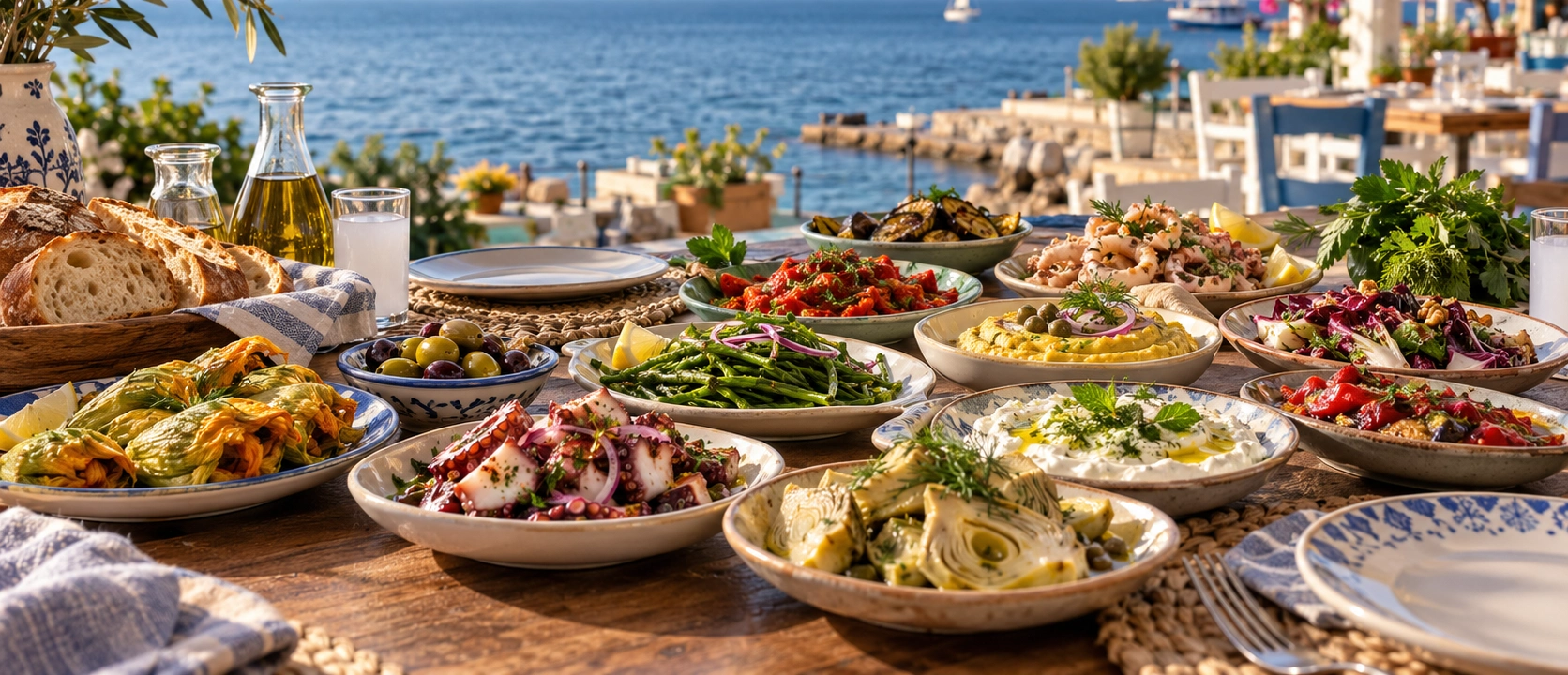
Continue from İzmir's historic drink traditions into the world of olive oil, seasonal herbs, vegetables, seafood and the celebrated Aegean meze table.
Design Your ExperienceCombine İzmir city with Tire, Urla and surrounding Aegean destinations for a journey through historic markets, Sephardic heritage, seasonal agriculture and western Türkiye's extraordinary food culture.

Walk through İzmir's historic commercial heart while exploring spice shops, traditional drinks, Havra Sokağı, street foods and centuries of cultural exchange.
Design Your Journey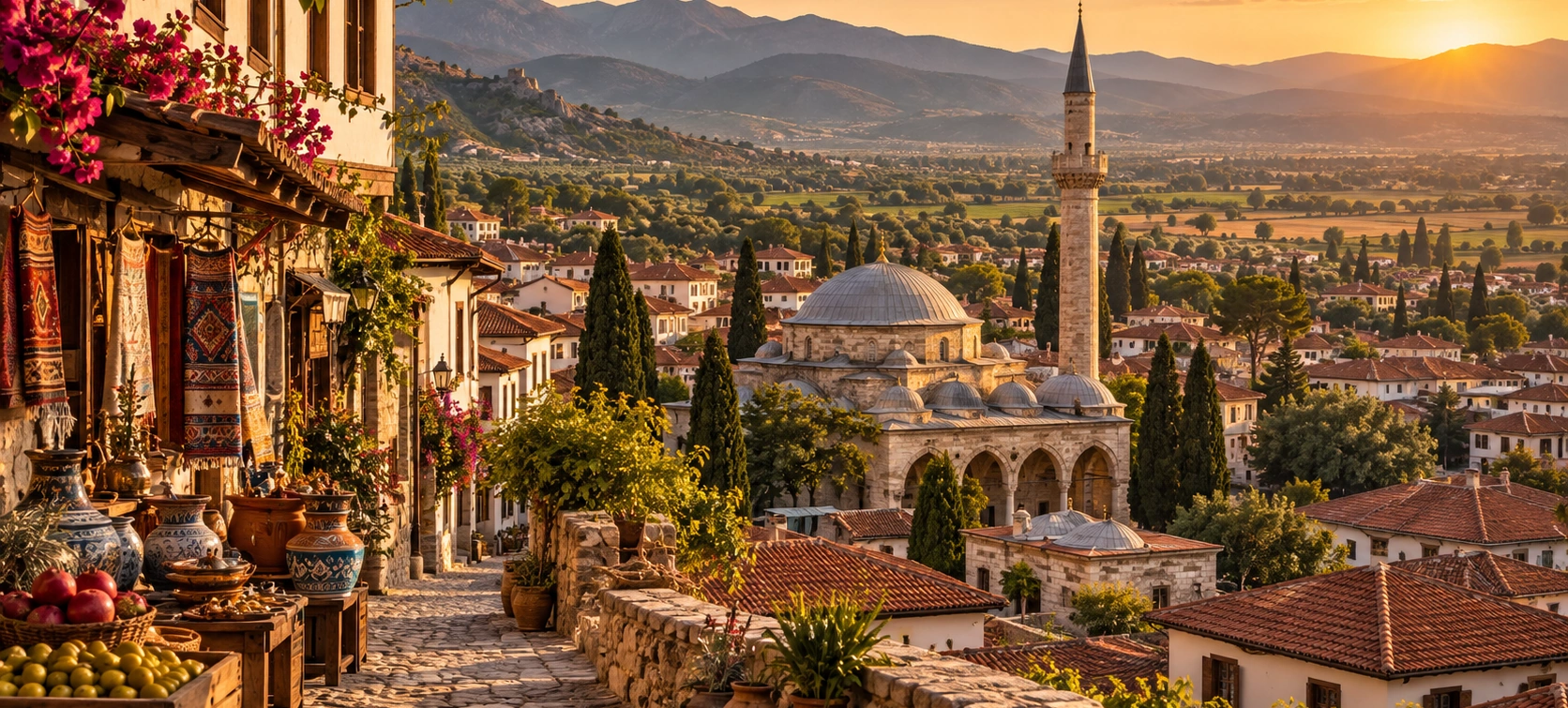
Explore one of İzmir Province's great traditional food destinations through its market, regional dishes, agricultural products and historic drink traditions including sübye.
Request This Tour