Pure Meat Character
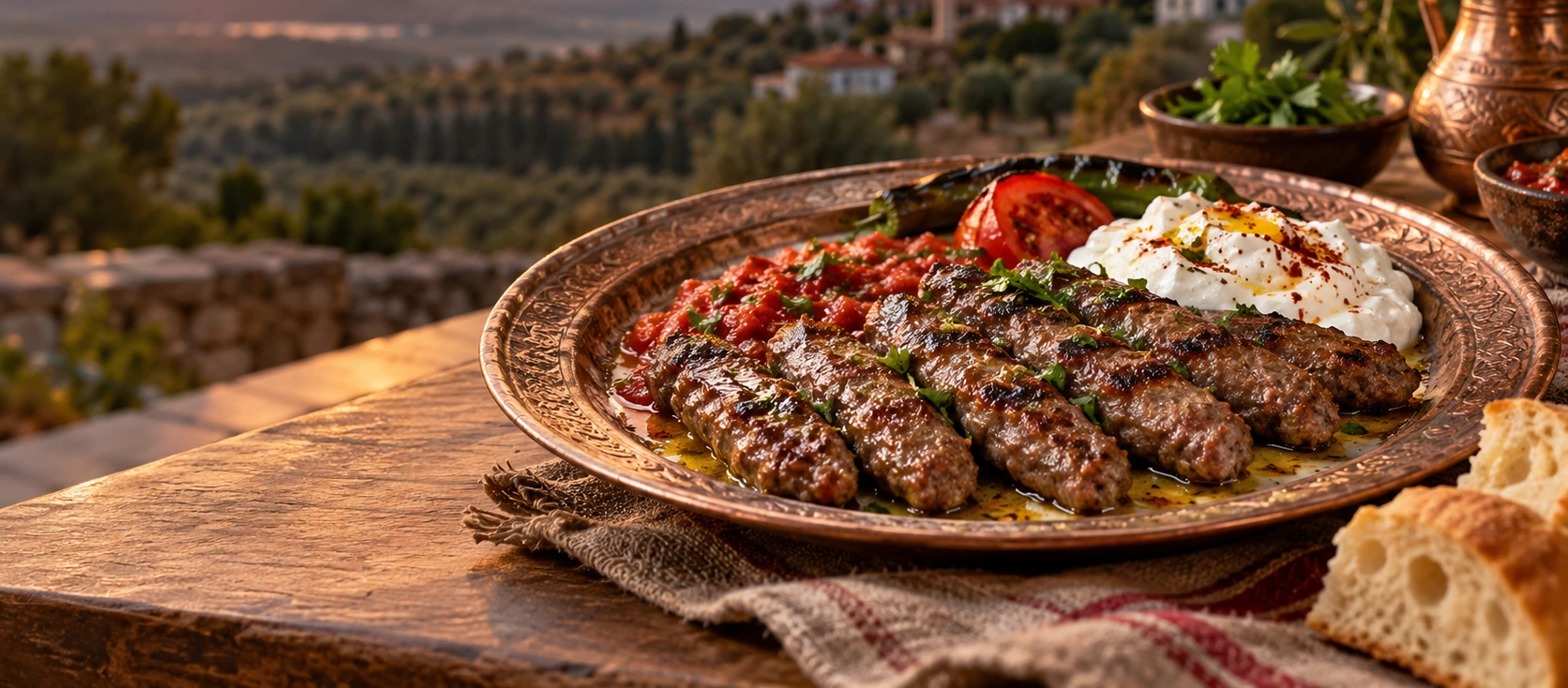
Tire Şiş Köfte is designed to showcase the taste and texture of the meat rather than heavy seasoning.
- Base: Beef
- Flavour: Meat-forward
- Seasoning: Extremely restrained






Tire Şiş Köfte is one of the most distinctive regional foods of İzmir Province and an essential taste for travellers exploring the historic town of Tire. Unlike many Turkish köfte recipes filled with onion, herbs and spices, the registered preparation is remarkably simple, allowing the flavour and texture of the meat to remain at the centre of the dish.
The seasoned meat is formed into slender lengths around metal skewers and given its first cooking over a wood fire. After resting, the meatballs are removed from the skewers and traditionally finished in butter, often in a copper pan.
They may be served simply with butter, with fresh tomato, or over yoghurt with tomato. The result is a beautifully uncomplicated regional speciality combining tender meat, buttery richness, delicate smokiness and the freshness of tomato.
The meatballs receive their characteristic first cooking over a wood-fired grill.
The registered recipe relies primarily on meat and salt rather than a long list of spices.
The pre-cooked meatballs are traditionally finished in butter before reaching the table.
The speciality has a documented connection with Tire reaching back to the early 20th century.
Essential information about one of the best-known traditional foods of Tire.
Tire district in İzmir Province, western Türkiye.
Open Tire on Google MapsBeef prepared with very restrained seasoning, traditionally allowing the meat itself to dominate.
Formed around metal skewers, pre-cooked over wood fire and traditionally finished in butter.
Registered in Türkiye as a Mahreç İşareti geographical indication in 2021.
A deceptively simple meat preparation became one of Tire’s most recognisable culinary traditions.
Tire lies inland from Türkiye’s Aegean coast in a fertile district with a long agricultural, commercial and culinary history. Among the foods most closely identified with the town is Tire Şiş Köfte, also encountered under the name Tire kebabı.
The documented tradition of Tire Şiş Köfte reaches back to the early 1900s. Its enduring identity is based not on complicated seasoning but on careful meat preparation, repeated grinding, resting, skewering and a distinctive two-stage cooking method.
Traditionally the meat was minced using a chopping technique with a heavy blade. Modern production generally uses meat grinders while preserving the essential preparation principles.
The minced meat is kept remarkably simple. According to the registered specification, salt is fundamental, while a very small quantity of wheat flour may optionally be used. The flavour is therefore very different from köfte varieties based on onion, breadcrumbs, cumin and numerous herbs.
The prepared meat is formed into narrow lengths on special metal skewers and cooked over a wood fire. The köfte are then removed from the skewers, rested again and later finished in butter when ordered.
Fresh tomato and yoghurt create two of the best-known serving variations. The combination of smoky meat, melted butter, fresh tomato and cool yoghurt has become inseparable from the traditional Tire dining experience.
Recognition of the dish’s connection with the district was formalised when Tire Şiş Köfte received geographical-indication registration in 2021, protecting its name and documented production tradition.
Its identity comes from simplicity, resting, skewering, wood-fire cooking and a final buttery preparation.
Tire Şiş Köfte is designed to showcase the taste and texture of the meat rather than heavy seasoning.
The registered preparation is notably different from many Turkish meatballs because complicated spice mixtures are absent.
The prepared mince is pressed into slender lengths around specially shaped metal skewers.
The skewered meat receives its first cooking over a wood-fired grill before being removed and rested.
Resting forms an important part of the traditional process both before and after the initial cooking stage.
Before serving, the prepared köfte are traditionally cooked again in butter, often in a copper pan.
Tomato is one of the classic serving companions, bringing freshness and acidity to the buttery meat.
One traditional presentation places the hot tomato-and-butter meatballs over yoghurt.
Tire Şiş Köfte is a regional Turkish meat speciality originating in Tire, a historic district of İzmir Province. The word şiş means skewer, describing the way the minced meat is formed around long metal skewers for its initial cooking.
Although it belongs broadly to Türkiye’s enormous köfte tradition, Tire Şiş Köfte should not be imagined as an ordinary seasoned meatball placed on a skewer. Its ingredients, resting process and two-stage cooking technique give it a very different identity.
The dish has a particularly strong historical and cultural association with Tire.
Minced meat is pressed into slender lengths around metal skewers before cooking.
The first cooking takes place above a wood fire rather than simply in a frying pan.
Controlled resting periods are an important part of the traditional production process.
The meatballs are traditionally heated and finished in butter before serving.
They can be served plain, with tomato or with both tomato and yoghurt.
Tire Şiş Köfte is officially registered in Türkiye as a geographical indication, recognising the dish’s established reputation, preparation method and association with the district of Tire.
For travellers, the registration offers something particularly useful: a documented reference for understanding what traditionally distinguishes authentic Tire Şiş Köfte from other skewered meatball dishes found elsewhere in Türkiye.
One of the most surprising aspects of Tire Şiş Köfte is how few ingredients are needed for the registered meat mixture.
Visitors familiar with Turkish köfte may expect onion, cumin, black pepper, parsley, garlic or breadcrumbs inside the meat mixture. Tire Şiş Köfte follows a strikingly different philosophy.
The preparation is designed to keep the flavour of carefully prepared beef at the centre.
The registered specification does not depend on the cumin and pepper combinations common in many other köfte recipes.
Unlike numerous Turkish meatballs, onion is not part of the registered Tire Şiş Köfte mixture.
Grinding, resting, skewering and cooking contribute more to the dish’s identity than complicated seasoning.
The grill contributes a delicate smoky character without overwhelming the meat.
The final cooking stage provides the richness that another dish might seek through additional ingredients.
The traditional process is considerably more involved than its short ingredient list might suggest.
The long skewer is more than a name or visual detail. It forms an important part of the traditional production method.
Pressing the meat around the skewer produces the distinctive narrow form of Tire Şiş Köfte.
The thin meat cooks efficiently when exposed to the heat of the wood-fired grill.
The initial grilling stage contributes a subtle smoky quality to the meat.
The long shape creates a relatively consistent thickness along each piece of köfte.
The skewering method visually and technically distinguishes the speciality from ordinary pan-fried köfte.
The meat is later removed from the skewer and finished separately before being served.
Tire Şiş Köfte is not simply minced, skewered and immediately served. Resting forms an important part of its traditional production.
The ground meat is chilled and rested before it receives its final grinding and shaping.
The partially cooked köfte are cooled after being removed from the skewers.
The pre-cooked meatballs are traditionally chilled again before being finished for service.
The controlled preparation helps produce the characteristic cohesive texture of the finished meatball.
The method allows restaurants to prepare the initial stages carefully before individual portions are ordered.
These resting stages form part of the documented geographical-indication production process.
One of the defining moments comes after the wood-fire cooking and resting stages. The meatballs are placed in butter for their final preparation.
The registered tradition recognises several characteristic serving styles, allowing visitors to experience the same köfte in subtly different ways.
The wood-fire-prepared köfte are finished in butter and served hot without tomato or yoghurt.
Fresh tomato joins the köfte during the final preparation, creating a brighter and juicier plate.
The hot tomato-and-butter köfte are served with yoghurt for one of the most distinctive traditional combinations.
Finely chopped parsley may be scattered over the finished dish as an optional fresh garnish.
The meatballs are intended to reach the table directly from their final butter cooking.
If dining with others, ordering different presentations can reveal how strongly tomato and yoghurt change the experience.
Tomato provides one of the most important contrasts in the traditional dish. Its freshness and acidity balance the richness of the butter and meat.
Traditional preparation uses tomato to create a simple sauce rather than overwhelming the meat with heavy seasoning.
Ripe tomato adds gentle sweetness to the savoury meat and butter.
The natural acidity helps balance the richness of the final cooking stage.
The red tomato creates the most immediately recognisable visual contrast on the plate.
Soft tomato provides moisture around the firmer meatballs.
Visitors who want to taste the meat in its simplest form can choose the plain butter version.
Yoghurt creates perhaps the greatest contrast of all: cool, creamy dairy beneath hot meat, butter and tomato.
Traditional descriptions of Tire Şiş Köfte particularly recommend enjoying the dish with yoghurt, including yoghurt produced in the Tire area.
Cold or cool yoghurt contrasts beautifully with freshly cooked hot köfte.
Yoghurt softens the intensity of the butter while adding its own gentle acidity.
Tomato and yoghurt create a familiar Turkish combination around the meatballs.
Tire is surrounded by productive agricultural countryside with strong dairy traditions.
The meat, tomato, butter and yoghurt together turn a simple köfte into a layered regional dish.
Try both the plain and yoghurt versions if you want to understand the full range of the speciality.
Tire Şiş Köfte is more subtle than visitors expecting a heavily seasoned Turkish meatball may imagine.
Because seasoning is minimal, the natural savoury character of the beef remains prominent.
The wood-fire stage gives the meat a gentle grilled aroma.
The second cooking stage adds richness and a distinctive buttery finish.
The tomato version brings sweetness and acidity that cut through the richness.
The yoghurt version adds cooling acidity and a softer texture around the meat.
Its character comes from technique and ingredient quality rather than powerful spices.
Both dishes belong to the culinary world of İzmir Province, but they are completely different preparations.
The most meaningful place to experience the dish is naturally Tire itself, where specialist köfte and kebab restaurants continue the local tradition.
The historic centre is the natural starting point when looking for traditional Tire Şiş Köfte restaurants.
Choose establishments where Tire Şiş Köfte is treated as a speciality rather than simply another item on a large menu.
A Tire Şiş Köfte lunch fits naturally into a day exploring the town’s museum, market and historic streets.
Combining the dish with Tire’s famous Tuesday market creates an especially rewarding regional food experience.
Some restaurants may offer plain, tomato and yoghurt versions, allowing you to select your preferred presentation.
The most characteristic versions preserve the wood-fire preparation and butter-finished service associated with the dish.
The traditional meat mixture is unusually simple, but travellers with allergies or dietary restrictions should still confirm ingredients directly with the restaurant.
Tire Şiş Köfte is traditionally prepared from beef and is neither vegetarian nor vegan.
The traditional final preparation uses butter and therefore contains dairy.
The yoghurt presentation naturally introduces additional dairy.
The registered recipe permits a small quantity of wheat flour, although flourless preparation is also possible.
Because wheat flour may be used, anyone avoiding gluten for medical reasons should ask the restaurant directly.
Recipes and kitchen practices can vary, so always confirm directly when dealing with a serious allergy.
The dish makes most cultural sense when experienced in the town whose name and culinary identity it carries.
Fresh tomato provides one of the classic balances to the buttery meat.
The yoghurt presentation reveals an entirely different side of the same köfte.
Do not expect the strong cumin and onion flavours found in many other Turkish meatballs.
A gentle smokiness reflects the traditional first cooking stage.
The butter-finished köfte is at its best when served immediately from the pan.
Tuesday offers the opportunity to experience the köfte alongside Tire’s remarkable weekly market.
Tire deserves more than a meal stop; its historic streets, museum, markets and traditional trades reward exploration.
Tire is surrounded by one of western Anatolia’s productive agricultural landscapes, and its cuisine reflects the relationship between the town, surrounding villages, livestock, dairy production, vegetables, herbs and market culture.
Tire Şiş Köfte fits naturally into this environment. The preparation depends on comparatively few ingredients, placing greater importance on the quality of the meat, careful technique and traditional accompaniments.
Discover one of the region’s great weekly markets, filled with produce, foods, textiles, crafts and local life.
Explore the history, archaeology and cultural heritage of this remarkable Aegean district.
Yoghurt and other dairy traditions connect naturally with the agricultural countryside surrounding Tire.
Fresh vegetables and herbs reflect the fertile landscape of inland İzmir Province.
Weekly markets connect villages, farmers, artisans and the town centre in a tradition that remains highly visible today.
Small local establishments preserve dishes that are closely connected with the town rather than designed only for visitors.
Tire Şiş Köfte makes an excellent centrepiece for a cultural day combining local history, markets, architecture and food.
For travellers who can choose their day, Tuesday provides one of the most atmospheric introductions to Tire.
The weekly market transforms the town with stalls selling fruit, vegetables, herbs, cheeses, household goods, clothing, crafts and other products brought together from Tire and the surrounding countryside.
See our complete guide to visiting Tire’s famous Tuesday market.
Explore the market while it is active and the produce displays are at their most impressive.
Notice how vegetables, dairy, herbs and agricultural products reflect the fertile Tire countryside.
Step away from the market for a traditional Tire Şiş Köfte lunch.
After lunch, return to the historic centre and quieter side streets.
Market day connects food, agriculture, commerce and daily life in a way few conventional sightseeing stops can reproduce.
Tire Şiş Köfte demonstrates how a regional food can develop a powerful identity from technique rather than complexity.
The dish carries Tire’s name and has become one of the town’s most recognisable culinary symbols.
Its restricted ingredient list makes technique and ingredient quality particularly important.
Repeated grinding, resting, skewering, wood-fire cooking and butter finishing create its character.
Specialist restaurants have helped preserve and popularise the dish across generations.
The speciality is recognised beyond Tire while remaining strongly connected to its place of origin.
Geographical-indication registration formally documents and protects the culinary tradition.
Tire Şiş Köfte reveals the inland culinary traditions of İzmir Province, while İzmir city and the surrounding region offer an extraordinary variety of street foods, pastries, home cooking and Aegean produce.
Seasoned elongated meatballs cooked together with potatoes, peppers and tomato sauce.
The city’s celebrated layered pastry and one of the defining flavours of an İzmir breakfast.
A particularly crisp sesame-coated bread ring associated with İzmir’s morning food culture.
Distinctive sesame-covered bread transformed into one of İzmir’s most famous sandwiches.
İzmir’s characteristically finely chopped interpretation of Türkiye’s famous grilled offal speciality.
A distinctive cold preparation of cooked lamb-head meats with tomato, onion, parsley and cumin.
A dense semolina-based syrup dessert closely associated with the street-food culture of İzmir.
Wild and cultivated greens prepared with olive oil reveal another essential side of regional cuisine.
Tire is rewarding precisely because food can be combined with markets, museums, traditional streets and everyday town life.
Experience one of western Türkiye’s remarkable weekly market traditions.
Explore archaeological finds, local history, ethnography and the cultural heritage of Tire.
Walk through Tire’s traditional commercial streets and older neighbourhoods.
Tire preserves religious architecture reflecting important periods in the town’s long history.
Explore the commercial culture that developed when Tire served the surrounding agricultural region.
The landscapes surrounding the town provide important context for its agricultural and culinary traditions.
Continue through the Küçük Menderes region to another historic town with strong market and food traditions.
Combine cultural exploration with the mountain and lake landscapes above Ödemiş.
Tire Şiş Köfte is a traditional meat speciality from Tire in İzmir Province. Minced beef is formed around skewers, pre-cooked over wood fire, rested and traditionally finished in butter before serving.
It is associated specifically with the Tire district of İzmir Province in western Türkiye.
Yes. Tire Şiş Köfte is registered in Türkiye as a Mahreç İşareti geographical indication.
Its geographical-indication registration date is 12 February 2021, under registration number 671.
Official documentation traces the speciality’s history in Tire back to the early 1900s.
Yes. The regional speciality may also be encountered under the name Tire kebabı.
The registered preparation uses beef or cattle meat prepared to specific standards before grinding and resting.
Onion is not part of the registered traditional meat mixture.
Cumin is not required in the registered traditional preparation. This is one of the important differences between Tire Şiş Köfte and many other Turkish meatballs.
Parsley is not part of the essential meat mixture, although chopped parsley may be added as a garnish to the finished dish.
The registered preparation does not depend on bread or breadcrumbs in the way many other köfte recipes do.
It may be prepared without flour, but the registered method also permits a small amount of wheat flour. Anyone avoiding gluten should therefore confirm the ingredients directly with the restaurant.
Not necessarily. Because the traditional registered specification permits a small quantity of wheat flour, travellers with coeliac disease or another medical restriction should always ask before ordering.
The meat is traditionally formed into slender lengths around metal skewers for its initial wood-fire cooking, giving the speciality both its name and characteristic shape.
Yes. The meat receives an initial cooking over a wood-fired grill before being removed from the skewers and rested.
The first cooking occurs on skewers over wood fire. After resting, the meatballs are traditionally finished in butter before serving.
Yes. Finishing the prepared meatballs in butter is one of the traditional serving methods documented for the speciality.
Yes. One traditional version combines the butter-finished köfte with fresh tomato.
Yes. A traditional presentation combines the meatballs and tomato with yoghurt, creating a cool contrast with the hot meat and butter.
It is savoury, meaty and gently smoky, with additional richness from butter. Tomato adds freshness and acidity, while yoghurt creates a creamy contrast.
No. Traditional Tire Şiş Köfte is not based on hot spices or a strong spice mixture. Its flavour is intentionally restrained.
No. İzmir Köfte is usually prepared with elongated seasoned meatballs, potatoes and tomato sauce, while Tire Şiş Köfte is formed around skewers, wood-fire cooked and traditionally finished in butter.
No. Türkiye has several regional skewered-meatball traditions. Tire Şiş Köfte has its own documented ingredients, preparation method and geographical identity.
No. Traditional Tire Şiş Köfte is a meat-based dish.
No. It contains meat and the traditional final cooking process also uses butter.
The traditional final preparation uses butter, and some versions are also served with yoghurt.
Tire itself provides the most meaningful setting, particularly at restaurants specialising in the traditional local preparation.
Yes. A market visit followed by a traditional Tire Şiş Köfte lunch is one of the most enjoyable ways to experience the town’s food and everyday culture.
Tomato and yoghurt are traditional companions. Fresh bread and a simple salad can also work well alongside the dish.
Ayran, mineral water or ordinary water are natural choices alongside the rich meat-and-butter preparation.
For travellers interested in regional Turkish cuisine, Tire Şiş Köfte offers an excellent example of how a highly distinctive dish can be created from very few ingredients through careful traditional technique.
The slender browned köfte, melted butter, bright tomato, white yoghurt and traditional restaurant setting provide excellent opportunities for food photography.
Photograph the elongated meatballs closely enough to show the browned exterior and distinctive narrow shape.
The bright red tomato creates a colourful contrast against the browned meat and golden butter.
White yoghurt beneath the meat and tomato creates one of the most visually distinctive presentations.
If appropriate, capture the final butter cooking to communicate that the dish is more than simply grilled meat.
Include yoghurt, tomato, bread or ayran to give the photograph a stronger sense of place.
A traditional local restaurant background helps connect the food visually with the town that created it.
When photographing inside restaurants, avoid disturbing other diners and always ask permission before clearly photographing staff or customers.
Discover Tire Şiş Köfte as part of a private journey through Tire’s historic streets, weekly market, museum, traditional shops, agricultural culture and regional cuisine.
Custom-designed private touring with professional guiding, comfortable transportation and flexible timing for travellers who want to discover the cultural and culinary heritage of inland İzmir.
Explore Tire’s historic centre, traditional markets and local food culture before enjoying authentic Tire Şiş Köfte in its home region.
Request This Tour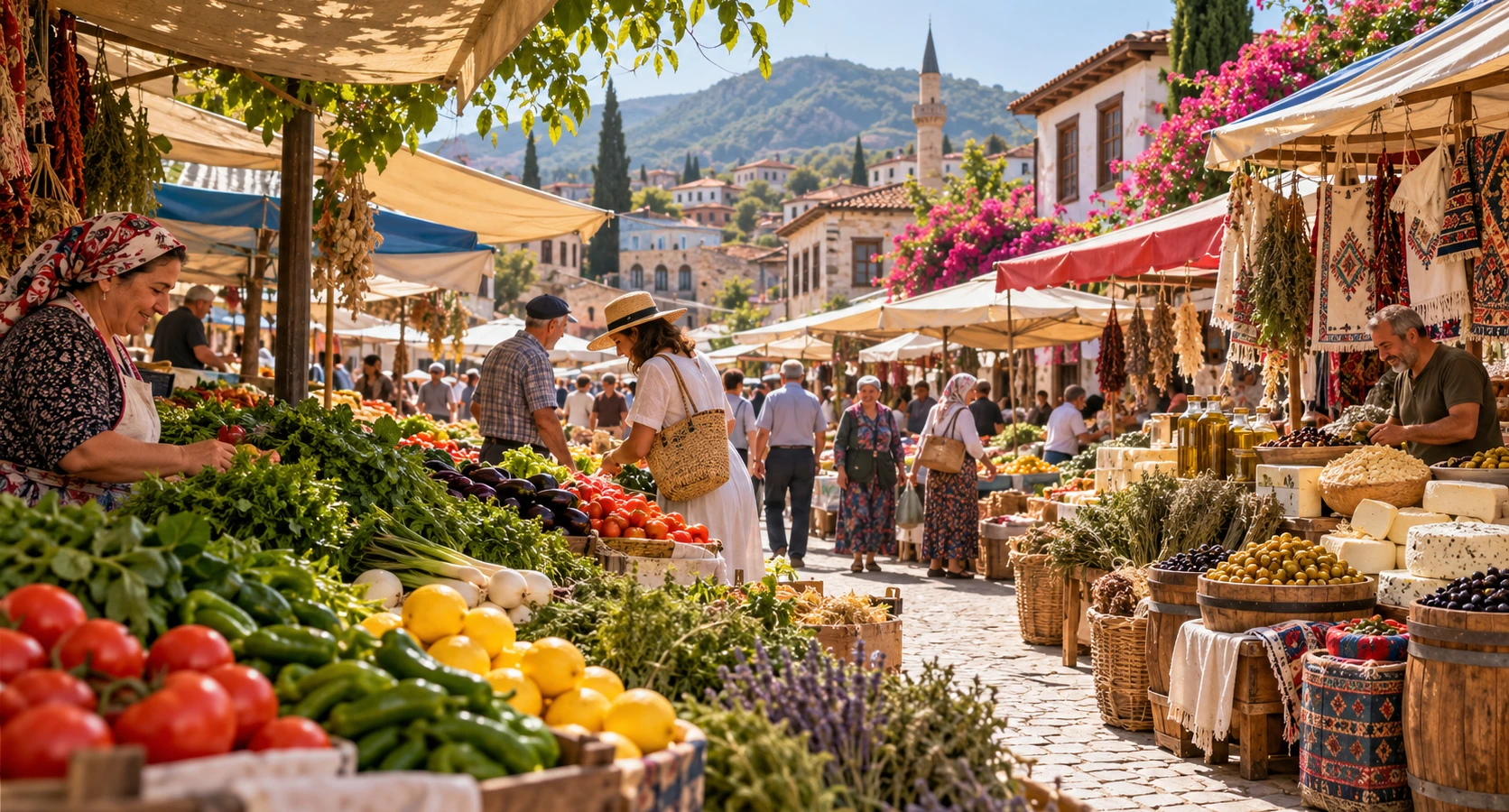
Visit Tire on market day and combine the extraordinary Tuesday Market with historic streets, local produce, regional traditions and a Tire Şiş Köfte lunch.
Design Your ExperienceCombine Tire with Ödemiş, mountain landscapes, traditional markets, rural villages and the rich agricultural heritage of inland İzmir Province.
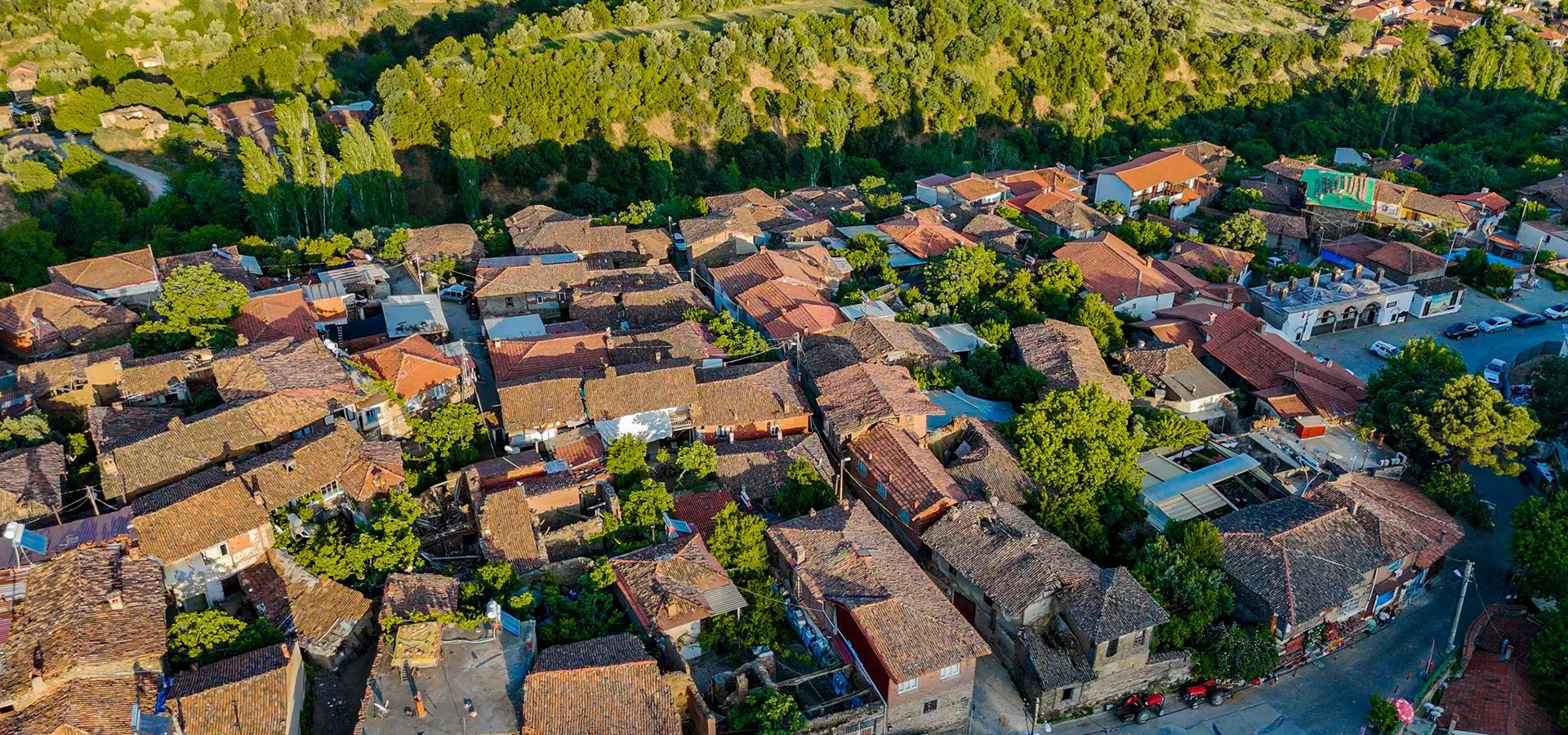
Continue through the Küçük Menderes Basin to discover Ödemiş, regional markets, mountain scenery, rural traditions and the culinary heritage of inland İzmir.
Explore the Region
Create a personalised route combining Tire, İzmir, Ödemiş, local markets, village landscapes, regional produce and distinctive Aegean food traditions.
Design Your Journey