Private Kurşunlu Monastery Experience
Enquire about a tailored historical excursion with mountain scenery, Byzantine interpretation and carefully checked access arrangements.
Request a Custom Experience





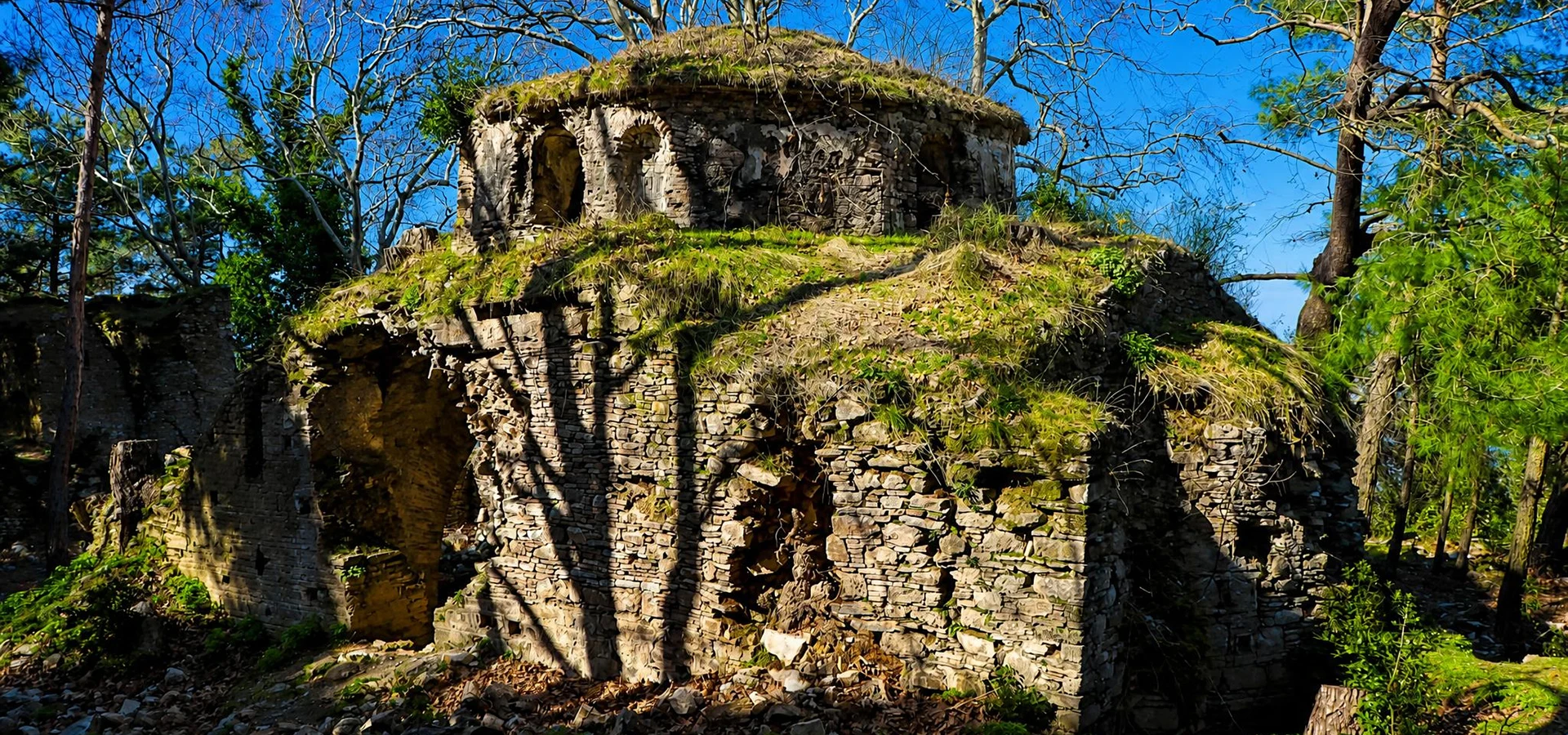
High in the wooded mountains above Davutlar near Kuşadası, the ruins of Kurşunlu Monastery preserve the memory of a secluded Byzantine Christian community. Surrounded by forest and overlooking the Aegean landscape, this remarkable religious complex offers a very different experience from the coastal resorts and archaeological cities of western Türkiye.
Known in Turkish as Kurşunlu Manastırı and historically associated with the Greek name Panagia Kursunniatissa, the monastery was dedicated to the Virgin Mary. Its surviving structures are generally attributed to the medieval Byzantine period, with the 11th century frequently proposed as an approximate construction date.
The site lies approximately 10–12 kilometers from Davutlar, at an elevation of around 600 meters, in the forested landscape associated with the Dilek Peninsula mountains. Its remote setting helps explain why monastic life could flourish here, away from busy settlements and commercial routes.
Today, visitors encounter a partially ruined complex containing the remains of a chapel, monastic rooms, service buildings and enclosing walls. Traces of Christian wall painting are among its most significant artistic features, although preservation conditions and access to individual spaces must always be considered.
For travelers interested in Byzantine history, early Christian traditions, religious architecture, hiking and landscape photography, Kurşunlu Monastery is one of the most atmospheric lesser-known historical sites in the Kuşadası region.
Explore a medieval Christian monastic complex in the mountains of western Anatolia.
Discover the remains of a chapel, residential spaces and monastic buildings.
Learn about the monastery's fresco tradition and Byzantine religious symbolism.
Experience forested slopes and expansive views toward the Aegean coast.
Essential information about this secluded Byzantine landmark in the Kuşadası mountains.
Forested mountains above Davutlar, Kuşadası district, Aydın Province, Türkiye.
Open on Google MapsMedieval Byzantine; commonly attributed to approximately the 11th century.
Approximately 600 meters above sea level, in the Dilek Peninsula mountain landscape.
Dedicated to the Virgin Mary; historically known as Panagia Kursunniatissa.
Remote mountain approach via the Davutlar area; road and trail conditions require checking.
Allow around 45–90 minutes at the accessible ruins, excluding mountain travel.
A rare surviving reminder of medieval Christian religious life beyond the great cities of the Aegean.
Western Anatolia was an important part of the Roman and Byzantine worlds for centuries. Although modern visitors usually associate the region with the ancient cities of Ephesus, Priene and Miletus, Christian institutions continued to shape the landscape long after antiquity.
Kurşunlu Monastery represents this later historical layer. It demonstrates how religious communities established places of worship, residence and spiritual retreat within the mountain environments overlooking the Aegean coast.
Unlike the monumental churches of major Byzantine cities, rural monasteries were generally organized around smaller communities. Their architecture had to support prayer, food preparation, storage, accommodation and other daily needs.
The surviving layout at Kurşunlu reflects this combination of religious and practical functions. The complex includes a chapel and remains traditionally identified as monks' rooms, a refectory, kitchen, storage facilities, an infirmary, cemetery and defensive structures.
The monastery is also significant for its reported Christian wall paintings, its association with devotion to the Virgin Mary and its exceptionally secluded mountain location.
For a broader understanding of the region, combine this site with our Kuşadası travel guide and Dilek Peninsula National Park guide.
The exact foundation date of Kurşunlu Monastery has not been established with certainty. The Aydın Provincial Directorate of Culture and Tourism describes it as a Byzantine structure generally attributed to the 11th century, while other historical accounts and architectural interpretations suggest that the site may contain evidence of different phases of construction and use.
The broader religious history of the area reaches further back. During the Byzantine period, western Anatolia contained churches, episcopal centers, monasteries and rural Christian communities. Local historical tradition connects the establishment of religious refuges around Davutlar with periods of insecurity and religious conflict, particularly during the centuries associated with Byzantine Iconoclasm.
Such traditions help explain the site's reputation as a secluded sanctuary. However, they should not be taken as proof that every surviving building dates to the 8th or 9th century.
The monastery's dedication to the Virgin Mary suggests an important role for Marian devotion within the community. Its position above the coastal plain provided separation from ordinary settlement life while remaining connected to the agricultural and religious landscape below.
Local heritage accounts suggest that the complex continued to be used into the 19th century. Over time, changes in population, religious institutions and settlement patterns contributed to its abandonment and deterioration.
In the modern period, neglected masonry, vegetation, weathering and unauthorized digging have threatened the site. Documentation, cleaning and conservation initiatives have been reported, including preparatory work announced in 2021. The precise current restoration and visitor-access situation should be checked before a journey.
Christian communities develop across the Aegean region through late antiquity and the medieval period.
Byzantine Iconoclasm shapes religious art and traditions; local accounts associate the area with Christian refuge.
The surviving monastic complex is commonly attributed to approximately the 11th century.
The monastery undergoes changes, continued religious use and eventual decline.
Local historical accounts suggest that the monastery remained in use into this period.
Documentation, clearing and proposed restoration highlight the need to protect the deteriorating ruins.
One of the monastery's most meaningful historical associations is its dedication to the Virgin Mary, known in Byzantine Greek religious tradition as the Theotokos, or Mother of God.
The historical name Panagia Kursunniatissa reflects this Marian dedication. The Greek word Panagia, meaning "All-Holy," is a familiar title of the Virgin Mary in Orthodox Christian tradition.
Marian devotion was central to Byzantine religious culture. Images of the Virgin Mary appeared in churches, monasteries, icons, liturgical traditions and private prayer. Monasteries dedicated to her could serve as places of contemplation, communal worship and spiritual protection.
At Kurşunlu, the dedication adds religious meaning to a landscape that already encourages silence and separation from everyday activity. The surrounding mountains and forest help modern visitors imagine why this site may have appealed to a contemplative community.
It is important, however, to distinguish the documented dedication from later interpretations. No specific miracle, Marian apparition or pilgrimage tradition should be attributed to Kurşunlu without reliable historical evidence.
A traditional Greek title for the Virgin Mary, emphasizing her sanctity.
The Byzantine theological title meaning Mother of God.
Prayer, liturgy and communal spiritual discipline were central to Byzantine monasteries.
The isolated mountain setting reinforces the site's historical atmosphere of retreat.
The Turkish word kurşun means lead, while Kurşunlu can be understood as referring to something associated with or covered in lead.
According to Kuşadası Municipality's historical description, the monastery's name probably derives from lead that once covered portions of its buildings, potentially including roofing elements.
Lead roofing was known in Byzantine and later architecture because the material could provide a durable and water-resistant covering for important structures. The historical name may therefore preserve the memory of architectural features that are no longer visible.
The explanation remains a traditional and plausible etymology rather than a fully documented reconstruction of the original roof.
Kurşunlu was not simply a small isolated church. It was a monastic complex, designed to accommodate the religious, domestic and organizational needs of a community.
Its central religious building was a chapel traditionally described as having a cross-shaped plan and a dome. This arrangement belongs to a broad family of church forms familiar in Byzantine architecture.
Surrounding structures are associated with accommodation, food storage, cooking and shared dining. Parts of the enclosure also appear to have served protective or defensive purposes, although the exact historical functions of every ruined room cannot always be determined from the surviving masonry.
Stone walls, arches, former openings and collapsed building elements reveal a complex that once supported daily life in a demanding mountain environment.
The principal space for communal worship, traditionally described as cross-planned and domed.
Simple residential spaces associated with the daily lives of the religious community.
A communal dining area traditionally identified among the monastery's buildings.
Service space connected with food preparation and everyday domestic needs.
Areas used for supplies and provisions necessary for sustained occupation.
A structure traditionally interpreted as serving the care of members of the community.
A burial area associated with the religious settlement and its historical population.
Surviving defensive or boundary masonry marking portions of the monastery complex.
The chapel is the most important architectural and religious element of Kurşunlu Monastery. Traditionally described as a cross-planned, domed Byzantine church, it was the focus of liturgical and communal prayer.
Byzantine ecclesiastical architecture frequently emphasized the relationship between central space, dome, arches and the sanctuary. These forms allowed church builders to organize movement, religious ceremony and painted decoration within a coherent sacred environment.
Although much of the original structure has deteriorated, surviving arches and wall fragments still communicate the chapel's architectural character.
The ceiling and wall surfaces have been noted in heritage descriptions for their historical fresco decoration. The actual visibility and survival of painted details may differ significantly from older descriptions or photographs.
For visitors, the chapel provides an opportunity to consider the relationship between architecture, devotional practice and sacred imagery in the Byzantine world.
An arrangement associated with many Byzantine churches and chapels.
The central upper space was an important architectural feature of the sanctuary.
Fragments of arched construction help reveal the former interior organization.
Historical fresco remains connect the monument to Byzantine Christian art.
Among the most frequently discussed artistic features of Kurşunlu Monastery are the remains of paintings associated with the chapel's ceiling and walls.
Local heritage descriptions refer to geometric and symbolic motifs, alongside figurative religious subjects associated with biblical narratives and Christian devotion.
These descriptions connect the decorative tradition with major changes in Byzantine religious imagery, particularly the centuries surrounding Iconoclasm and the later restoration of religious images.
The historical account is interesting, but the precise dates of the surviving painted layers should be treated carefully. An 11th-century attribution for the monastery does not automatically establish that particular fragments were created during the 9th century.
In general, fresco painting involves applying pigment to plaster, often while the plaster is still wet. Byzantine churches could also contain painting executed using other techniques or during later decorative campaigns.
Because wall paintings are vulnerable to moisture, sunlight, pollution, vandalism and changes in the supporting masonry, any surviving fragments at Kurşunlu require particular care.
Non-figurative patterns described within the monastery's decorative tradition.
Motifs such as fish, grapes and other Christian symbols appear in local historical accounts.
Descriptions also associate the decoration with scenes from Christian sacred narratives.
Painted surfaces are especially vulnerable when roofs and protective masonry deteriorate.
The history of Kurşunlu is often discussed in relation to Byzantine Iconoclasm, the periods during which the religious use and veneration of icons became a major source of controversy within the Byzantine Empire.
The principal Iconoclastic periods are generally dated to 726–787 and 815–843. The restoration of icon veneration in 843 became an important event in Eastern Orthodox religious history.
Religious imagery during these centuries cannot be reduced to a simple story of all figurative painting disappearing everywhere. Artistic practice, local circumstances, religious authority and later rebuilding produced a complicated historical record.
Descriptions of Kurşunlu's frescoes commonly distinguish symbolic and geometric decoration from later religious figures and narrative scenes. This provides a useful introduction to broader developments in Byzantine Christian art.
However, the relationship between the monastery's individual construction phases and these artistic traditions has not been securely established by the general visitor sources available.
Visitors interested in early Christian iconography can appreciate Kurşunlu as part of a wider Byzantine religious landscape without assuming that all surviving paintings belong to a particular Iconoclastic phase.
First major period of Byzantine Iconoclast controversy.
The Second Council of Nicaea supports the restoration of icon veneration.
Second major period of Byzantine Iconoclasm.
The restoration of icons becomes a defining event in Orthodox religious tradition.
Although no complete daily schedule of Kurşunlu's historical community is available, the building complex can be understood within the broader traditions of Byzantine Orthodox monasticism.
Monastic communities commonly organized their lives around prayer, religious observance, practical work and shared responsibilities. The relationship between the chapel and the domestic buildings at Kurşunlu illustrates the practical requirements of this way of life.
Living in an isolated mountain environment would have required reliable supplies, food preparation, storage, maintenance of buildings and connections with people living in the surrounding countryside.
The traditionally identified kitchen, refectory, cells and storerooms indicate that the community needed infrastructure for long-term occupation, rather than relying exclusively on occasional visits.
While seclusion was a defining feature of many monasteries, it did not necessarily mean total separation from society. Religious communities could maintain economic, spiritual and social relationships with surrounding villages and regional institutions.
Religious services and devotion centered on the monastery's chapel.
Cooking, maintenance, cleaning and practical tasks supported community life.
Residential cells provided space for the monks' private lives and devotion.
Physical distance from settlements encouraged a quieter environment for religious practice.
Kurşunlu Monastery occupies a dramatic position within the mountains associated with the Dilek Peninsula, south of Kuşadası. The area forms part of the wider mountain landscape historically known as Mycale and today commonly called the Samson Mountains or Samsun Dağları.
The ruins are situated among trees and natural vegetation, with elevated views toward Davutlar and the surrounding Aegean landscape.
The location is an essential part of the monastery's identity. Forest cover provides shade and seclusion, while the steep surrounding slopes create a natural sense of separation from the coastal plain.
Unlike a large archaeological site surrounded by modern visitor infrastructure, Kurşunlu retains the atmosphere of a remote historical place within a living natural environment.
Conditions change with the seasons. Summer can bring heat, drought and forest-fire restrictions, while winter rain may make tracks muddy or slippery. Visitors should follow current local guidance before entering mountain roads or forest areas.
Forested slopes forming part of the mountainous Dilek Peninsula landscape.
Elevated viewpoints can reveal the coastal plain, gulf and distant sea.
Trees and mountain vegetation surround the historic masonry.
A remote setting that contrasts with Kuşadası's busy waterfront.
The main attraction is the relationship between the ruined buildings and the surrounding mountains. Rather than expecting a reconstructed religious monument, visitors should approach Kurşunlu as a fragile archaeological and architectural landscape.
Observe the central religious structure and surviving elements of its arched masonry from safe, permitted areas.
Examine the remaining arches and openings that reveal the former arrangement of the buildings.
Identify the general areas associated with accommodation and daily life.
Look for differences in wall construction, surviving plaster and evidence of later repairs.
Discover sections of the boundary and defensive structures around the complex.
Enjoy the quiet wooded surroundings that give the monastery its distinctive atmosphere.
Appreciate the wider landscape from safe natural viewpoints near the site.
Consider how architecture, religious art and remote geography shaped Byzantine monastic life.
Begin your journey in Davutlar, south of Kuşadası. Before leaving the settlement, check the current mountain access route, weather conditions and whether any restrictions affect the monastery area.
The approach climbs into the forested mountains, and historic descriptions mention a combination of paved sections, narrower roads and unpaved forest tracks. Depending on current conditions, the journey may require a suitable vehicle and an additional walk.
Once you reach an authorized and safe stopping point, approach the ruins on a permitted trail. Take time to understand the general arrangement of the surviving complex before concentrating on the chapel and the surrounding monastic buildings.
From outside unstable structures, observe the stone arches, old masonry and the relationship between the religious building and the surrounding spaces.
Finish with time to appreciate the forest and the mountain views before returning to Davutlar by the same confirmed route.
Kurşunlu Monastery is a remote heritage site rather than a conventional museum with an established reception building, regular ticket counter and extensive visitor facilities.
The Aydın Provincial Directorate of Culture and Tourism and Kuşadası Municipality provide historical descriptions of the site, but their published information does not establish a dependable current daily opening schedule or guaranteed access to the ruins.
Conservation activity, forestry restrictions, weather conditions and the structural stability of particular buildings may affect visits. The status of the approach road and any restrictions should be confirmed locally.
Visitors should not assume that the absence of a ticket office means unrestricted access. Any admission requirements, guided-access arrangements or temporary closures must be respected.
The mountain location makes weather, road conditions and seasonal forest restrictions especially important. Mild and dry conditions are generally preferable for exploring a remote archaeological landscape.
Usually comfortable temperatures and green mountain scenery, although recent rain can affect tracks.
Often pleasant for mountain excursions, with softer light and cooler walking conditions.
Dry and hot conditions require early starts, adequate water and checks for wildfire-related access restrictions.
Rain, cold weather and slippery ground can make the mountain approach unsuitable.
Allow more daylight for travel, photography and a safe return from the mountain.
Good visibility offers the best opportunity to appreciate the surrounding Aegean landscape.
The length of a visit depends heavily on the chosen mountain route and whether vehicle access is possible near the site. These estimates refer to exploration time rather than a guaranteed total journey duration.
A brief exterior stop to appreciate the ruins and mountain setting, if a safe approach is available.
Time for an unhurried exterior exploration of the main remains and nearby viewpoints.
Allows additional time for photography, landscape observation and historical discussion.
A sensible allowance from the Davutlar area when mountain travel and access checks are included.
May require several hours or longer depending on trail choice, elevation gain and fitness.
Allow additional time for visits around Güzelçamlı and the coastal Dilek Peninsula area.
Kurşunlu Monastery provides opportunities for atmospheric photography combining medieval architectural remains with the natural landscape of the Dilek Mountains.
The irregular shapes of weathered masonry, ruined arches and forest vegetation make the site particularly suitable for documentary and historical photography.
Photography should never involve entering unstable structures, climbing damaged walls or touching vulnerable painted plaster.
Frame surviving arches against the trees to emphasize architecture and abandonment.
Filtered daylight can bring out the texture of stone and vegetation.
Photograph masonry joints, openings and construction details from permitted positions.
Use natural viewpoints to capture the relationship between the ruins and the Aegean landscape.
Show the actual preservation condition rather than presenting the site as a restored monument.
Avoid touching painted surfaces or using techniques that could damage fragile remains.
Kurşunlu is sometimes included in hiking routes through the mountains between Davutlar and Güzelçamlı. Its position above the coast makes it attractive to walkers seeking a combination of history and nature.
However, this is not an easy urban sightseeing walk. Routes can involve considerable elevation gain, rocky surfaces, forest tracks and occasionally unclear junctions.
Published hiking descriptions include different approaches, distances and trail options. These should not be interpreted as a single officially maintained route.
Anyone planning to hike should obtain a recent route, check local forest-access regulations and assess the terrain realistically. During hot weather, adequate water and an early departure are particularly important.
The monastery stands far above the coastal plain, so walking approaches can involve sustained climbing.
Use a reliable map or experienced local guide rather than relying on informal directions.
Wear footwear suitable for loose stones, uneven ground and mountain paths.
Carry what you need for the full route; do not assume services exist near the ruins.
Check whether seasonal closures, fire precautions or conservation rules affect the intended trail.
Allow enough time to return to a settled area well before dark.
Safety should be a primary consideration at Kurşunlu. The combination of deteriorating historic masonry, mountain terrain and a remote location creates risks that are different from those found at managed archaeological museums.
Do not stand beneath damaged arches, unsupported masonry or cracked ceilings.
Historic stones may shift or collapse, even when a surface appears solid.
Avoid the mountain route during storms, heavy rain, strong winds or other hazardous conditions.
Remote forest roads and trails are more difficult to navigate after sunset.
Let someone know your intended route and expected return time.
Never cross barriers or enter restricted areas, especially around conservation work.
Kurşunlu Monastery is not a suitable destination for travelers who require a guaranteed step-free visitor route or conventional museum facilities.
Mountain approaches may include uneven roads, rocky tracks, slopes and natural surfaces. Within the monastery area, archaeological debris and damaged buildings create further obstacles.
No reliable information confirms an accessible route through the historic complex.
Steep terrain and uneven ground may make a visit difficult or unsuitable.
Close supervision is essential because of unstable masonry and unprotected terrain.
Ordinary strollers are generally unsuitable for rough mountain paths and ruined surfaces.
Do not expect benches, toilets, drinking-water points or a staffed visitor center.
Travelers needing easier access can explore more established attractions around Kuşadası.
The monastery is located in the mountains above Davutlar, southeast of the main Kuşadası resort area.
The usual starting point is Davutlar, from which local routes ascend into the surrounding forest. Older descriptions mention an approach branching from the Davutlar–Söke road and continuing along mountain tracks.
Because the final approach can be rough and road conditions change over time, visitors should confirm the actual route before setting out. A standard passenger car may not be appropriate in every season or on every track.
Travel toward Davutlar, then follow a locally confirmed route into the mountains.
The monastery lies approximately 10–12 km away according to official descriptions.
Useful for reaching the mountain area, provided the route and vehicle suitability are checked.
A locally experienced driver or guide can help with navigation and current access information.
Local transport serves Davutlar, but a dependable direct public service to the ruins is not confirmed.
Possible hiking approaches require preparation, appropriate fitness and reliable navigation.
The countryside around Davutlar and Güzelçamlı contains natural landscapes, ancient settlements, historic villages and coastal attractions. These places can be considered for a wider itinerary, although mountain access to Kurşunlu should be planned separately.
Discover the protected coastal landscapes, forests and beaches of the Dilek Peninsula.
Explore a natural cave and water-filled geological landmark near Güzelçamlı.
Learn about the ancient Ionian sanctuary and its associations with the cities of the Ionian League.
Walk through an atmospheric historic village known for traditional stone architecture.
Discover an extraordinary landscape combining ancient ruins and Byzantine monastic history.
Explore a remarkably planned Hellenistic city overlooking the Büyük Menderes valley.
Visit Kuşadası's picturesque coastal fortress connected with the history of the Aegean port.
Explore an Ottoman commercial monument in the historic center of Kuşadası.
Kurşunlu Monastery is located in the forested mountains above Davutlar, within the Kuşadası district of Aydın Province in western Türkiye.
Official tourism descriptions place it approximately 10–12 kilometers from Davutlar, depending on the reference point and approach.
The monastery stands at approximately 600 meters above sea level in the Dilek Peninsula mountain landscape.
The surviving complex is commonly attributed to the 11th-century Byzantine period, although its exact foundation date and individual building phases remain uncertain.
The names of its original founders and builders have not been securely established in commonly available historical descriptions. It was associated with a Byzantine Christian monastic community.
Kurşunlu is derived from the Turkish word kurşun, meaning lead. The monastery's name is traditionally linked to lead roofing that may once have covered parts of its buildings.
It was historically associated with the name Panagia Kursunniatissa, reflecting its dedication to the Virgin Mary.
Yes. Local and municipal heritage descriptions identify the monastery as dedicated to the Virgin Mary, an important figure in Byzantine Orthodox devotion.
Its remote location offered separation from busy settlements and an environment suitable for religious retreat. Local tradition also associates the wider area with Christians seeking refuge during periods of conflict.
Historical descriptions identify a chapel, monks' cells, refectory, kitchen, storerooms, infirmary, cemetery and enclosing structures. Their current condition and accessibility vary.
Yes. The chapel has been documented for historical wall paintings with symbolic, geometric and religious themes. However, the surviving visibility and condition of individual frescoes should not be assumed.
Local descriptions connect the monastery's decorative tradition with Iconoclastic and post-Iconoclastic imagery. The exact dates of individual surviving paintings are not conclusively established by these general sources.
Local historical accounts suggest that the monastery remained in use into the 19th century, which falls within the Ottoman period.
Current daily public access has not been reliably confirmed. Visitors should check locally for restoration work, access restrictions and protected-area regulations before traveling.
A dependable current official admission arrangement has not been confirmed. Do not assume unrestricted free access to the ruins.
Mountain roads and tracks provide approaches from the Davutlar area, but current surface conditions and vehicle suitability must be checked before traveling.
Public transport serves Davutlar, but a dependable direct scheduled service to the monastery itself has not been established.
Yes, hiking routes have been documented, but distances, difficulty and permitted access depend on the chosen trail and current conditions.
The site contains deteriorating buildings and uneven terrain. Visitors should remain outside unstable structures and respect all official restrictions.
It is generally less suitable for young children than a maintained museum because of mountain access, loose stones, damaged buildings and limited facilities.
No dependable step-free visitor route has been confirmed, and the rough terrain makes accessibility extremely limited.
Spring and autumn often offer comfortable conditions. Always check weather, trail conditions and any forest restrictions before visiting.
Allow around 45–90 minutes for an unhurried visit to accessible exterior areas, excluding the journey through the mountains.
Potentially, yes. Both are associated with the southern Kuşadası landscape, but the monastery's mountain access must be checked separately from the main coastal national park visitor areas.
For travelers interested in Byzantine religious history, ruined architecture and secluded mountain landscapes, it is a fascinating destination, provided current access is permitted and safety conditions are suitable.
Kurşunlu is a vulnerable cultural monument within a sensitive natural landscape. Responsible visitors can help prevent further damage by respecting the historic remains and minimizing their impact on the surrounding environment.
Do not take archaeological fragments, roof tiles, pottery or historic building materials.
Do not touch, scrape, wet or otherwise interfere with painted or decorated surfaces.
Avoid standing on arches, walls or collapsed architectural elements.
Remember that the monastery was once a place of worship and religious community life.
Do not light fires, discard cigarettes or ignore seasonal forest-safety rules.
Carry away all rubbish and avoid disturbing surrounding plants and wildlife.
Use permitted paths and respect forestry, archaeological and conservation restrictions.
Respect restoration barriers and report serious damage through appropriate local authorities.
Explore the fascinating relationship between Byzantine religious heritage, ancient Ionian civilization and the landscapes of the Dilek Peninsula through a private experience tailored to your interests, without compulsory shopping stops.
Ask us about a specialized excursion focused on Byzantine history, sacred architecture and the mountain landscapes around Davutlar, subject to confirmed access and safety conditions.
Enquire about a tailored historical excursion with mountain scenery, Byzantine interpretation and carefully checked access arrangements.
Request a Custom Experience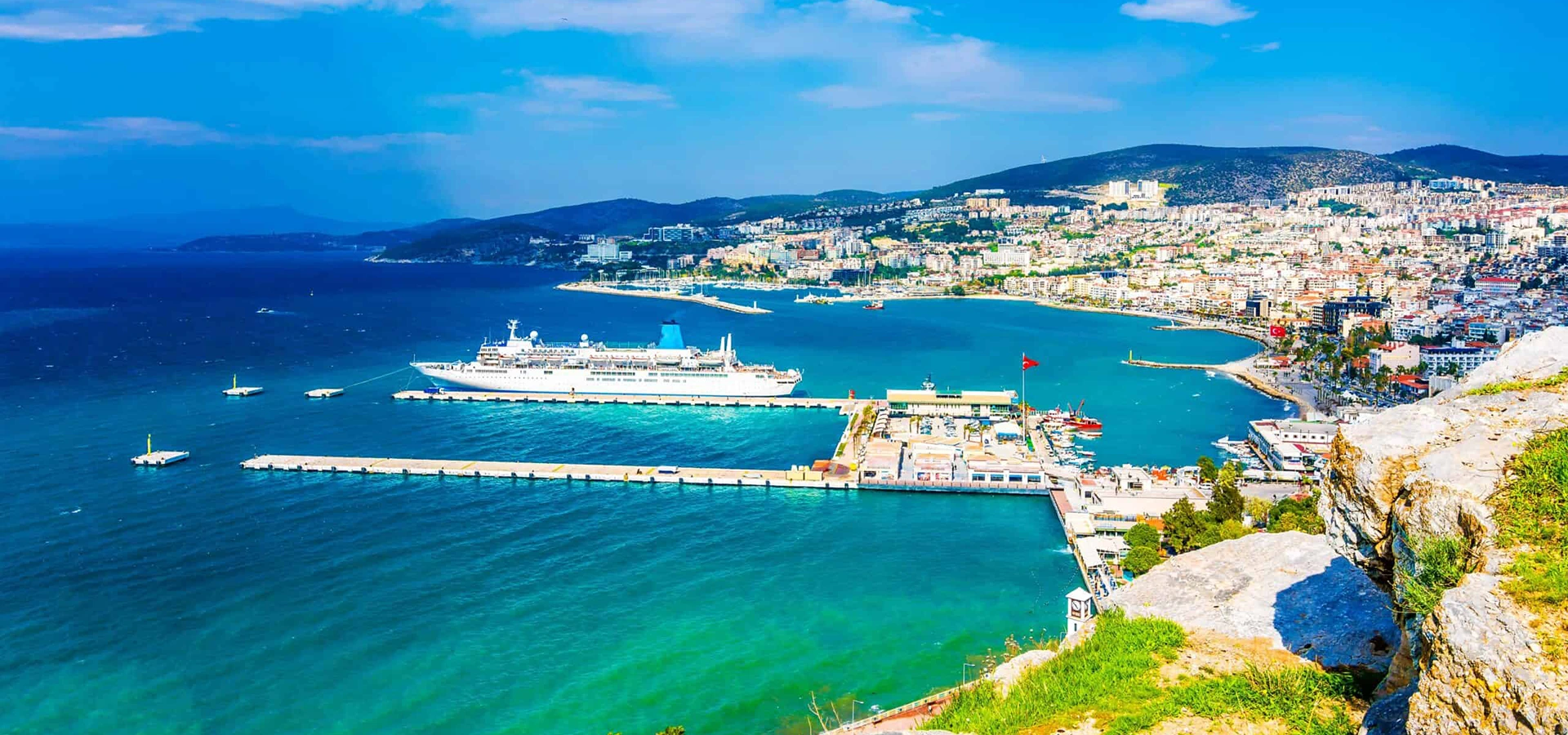
Discover ancient sites, Ottoman monuments, seaside attractions and lesser-known cultural heritage in the Kuşadası region.
View Kuşadası GuideDiscover the dramatic natural landscapes, ancient sanctuaries and remarkable historic settlements around southern Kuşadası and Aydın.
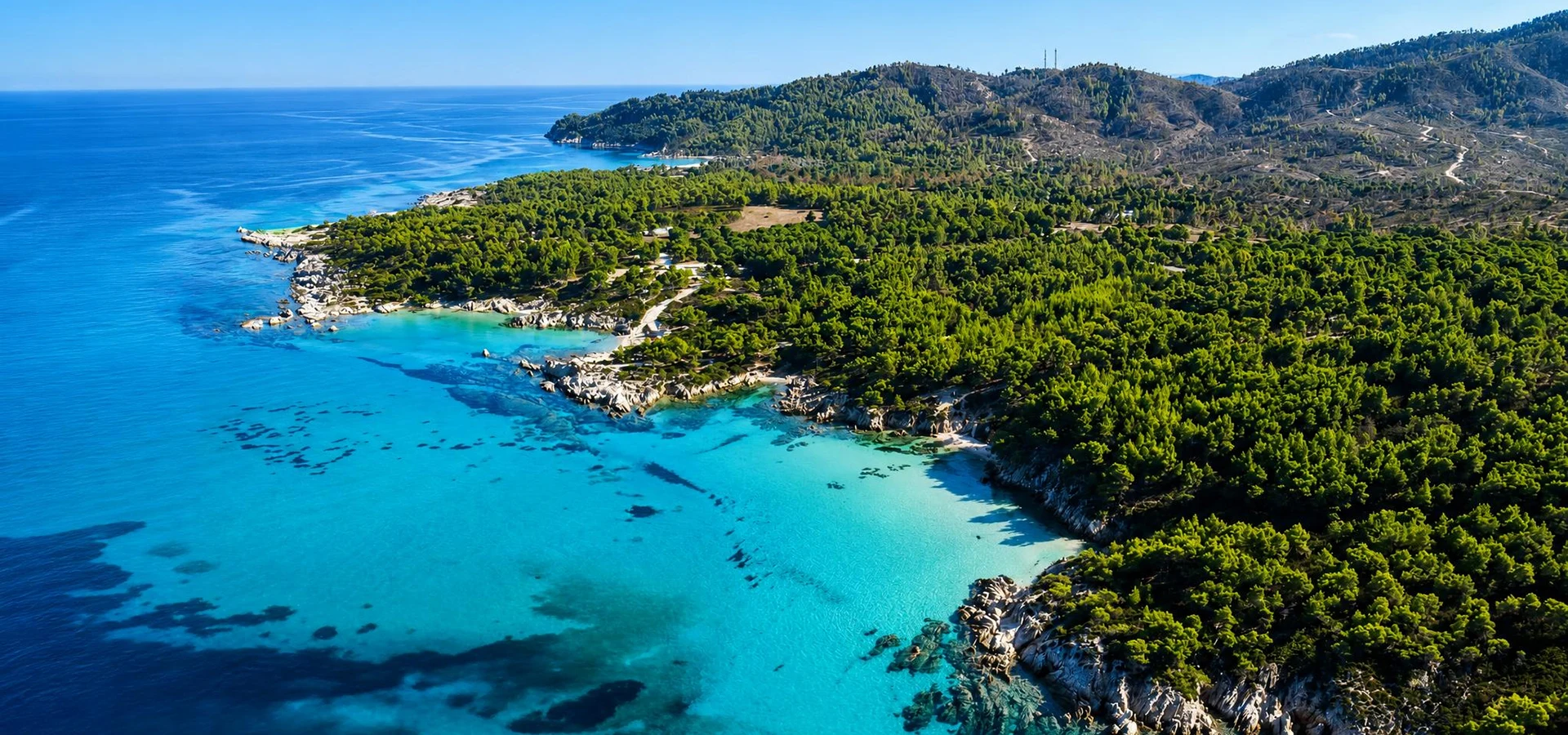
Explore protected forests, secluded beaches, mountain landscapes and the extraordinary natural heritage of the peninsula.
Explore the National Park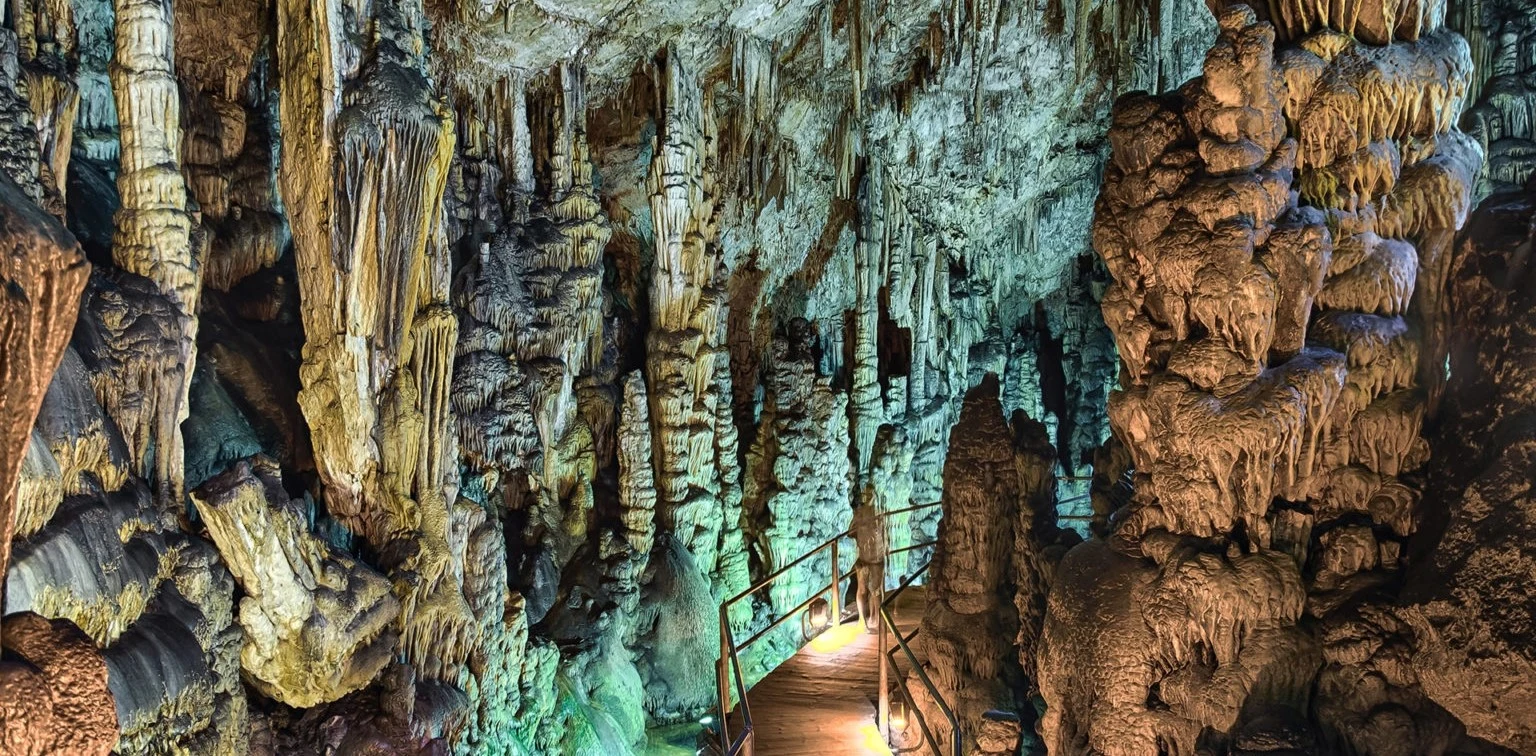
Discover a fascinating natural cave near Güzelçamlı, where geology and local mythological traditions meet.
Explore Zeus Cave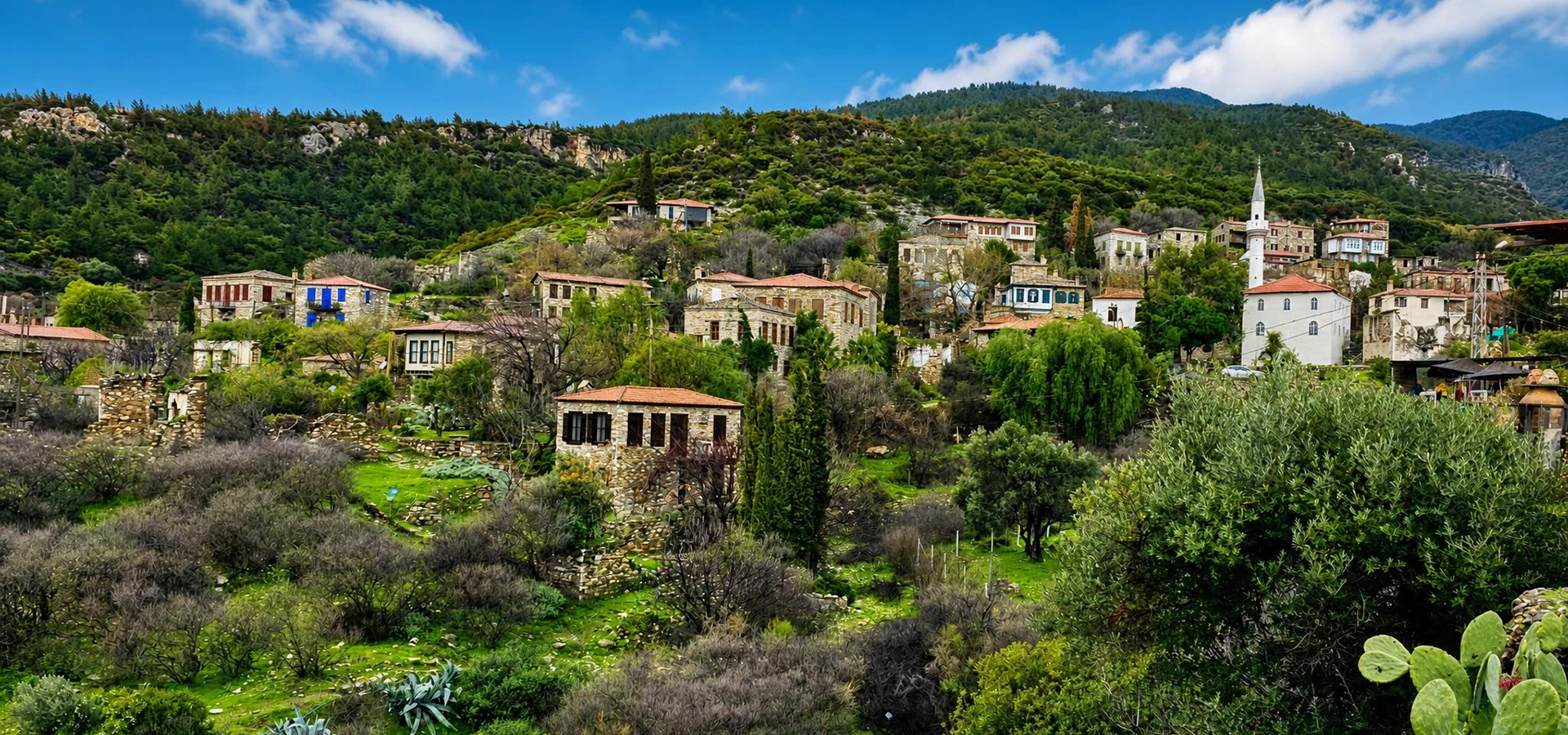
Walk through one of the Aegean region's most atmospheric historic villages, surrounded by traditional architecture and natural scenery.
Discover Old Doğanbey