Aydın Culinary Heritage, Traditional Turkish Cuisine & Geographical Indications

Aydın Yuvarlaması – A Traditional Aegean Meatball Specialty

Discover the handmade meatball dish of Aydın,
where regional flavors, family traditions and culinary craftsmanship meet.

Discover Aydın Yuvarlaması

Aydın Yuvarlaması – A Taste of Traditional Aegean Hospitality

Aydın Yuvarlaması, sometimes translated as Aydın Rounding, is one of the distinctive traditional dishes of Aydın Province in western Türkiye. Prepared from a carefully kneaded mixture of minced beef, wheat flour, eggs, onions and seasonings, it is recognized for its small, individually shaped meatballs and rich, savory sauce.

The dish occupies an important place in the regional food culture of Aydın, where it has traditionally been associated with family gatherings, weddings and communal meals. Preparing the small meatballs requires time, patience and considerable manual skill.

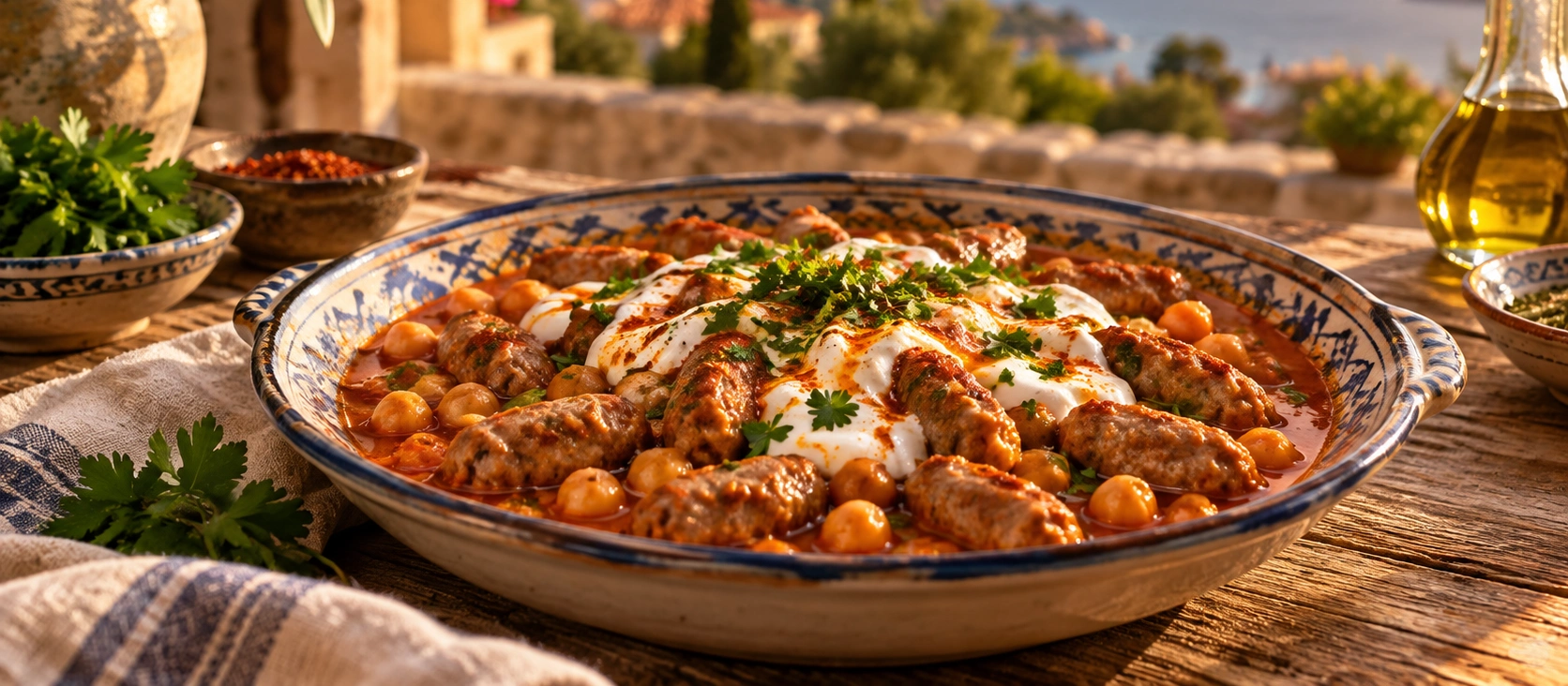
Unlike ordinary Turkish köfte, Aydın Yuvarlaması involves several stages. The seasoned meat-and-flour mixture is formed into small, elongated pieces, lightly coated in flour and fried before being cooked in a flavorful sauce containing butter, tomato or pepper paste, broth and chickpeas.

The finished dish is traditionally served with strained yogurt, either plain or flavored with garlic. Optional parsley or melted butter completes the presentation.

The name yuvarlama comes from the Turkish verb yuvarlamak, meaning "to roll." It refers directly to the shaping technique used to form the small meatballs by hand.

Recognizing its importance to Aydın's culinary heritage, the Turkish Patent and Trademark Office registered Aydın Yuvarlaması as a geographical indication on August 18, 2022, under registration number 1198.

For travelers exploring the regional cuisines of Türkiye, this traditional dish offers an opportunity to discover a different side of Aegean gastronomy, beyond the olive oil dishes and fresh vegetables for which the region is widely known.

Traditional Aydın Cuisine

A regional meatball specialty closely connected with the food culture of western Türkiye.

Hand-Rolled Meatballs

Small pieces of meat-and-flour dough carefully shaped using traditional techniques.

Wedding Food Heritage

A dish associated with communal preparation, family celebrations and hospitality.

Geographical Indication

Officially registered in Türkiye in 2022 under geographical indication number 1198.

Know the Traditional Dish

Aydın Yuvarlaması – Quick Facts

Essential information about one of Aydın's distinctive regional culinary specialties.

📍

Origin

Aydın Province, Aegean Region, western Türkiye.

Explore Aydın on Google Maps
🍲

Food Category

Traditional meat-based dish, classified among meals and soups.

🥩

Main Ingredients

Minced beef, wheat flour, eggs, onions, butter and seasonings.

🥣

Traditional Accompaniments

Chickpeas, savory sauce and strained yogurt.

🏅

Turkish Registration

Geographical indication number 1198, registered August 18, 2022.

👨‍🍳

Preparation Method

Hand-rolling, frying, simmering and yogurt-topped serving.


Understanding a Regional Specialty

What Is Aydın Yuvarlaması?

A traditional handmade meatball dish that reflects the distinctive cooking techniques of Aydın.

Aydın Yuvarlaması is a regional Turkish dish prepared by combining minced beef with flour, egg, grated onion, salt and black pepper to create a dough-like mixture.

Small portions of the mixture are carefully rolled into short, elongated meatballs. These pieces are lightly coated with flour, fried in vegetable oil and subsequently cooked in a seasoned sauce containing butter, tomato or pepper paste, broth and chickpeas.

Before serving, the dish is allowed to rest briefly and is then topped with strained yogurt, optionally mixed with garlic.

The result is a savory meal combining the flavor of beef, the satisfying texture of wheat-based dough, the richness of butter, the gentle warmth of red pepper and the refreshing acidity of yogurt.

The dish is sometimes referred to locally as yuvarlama or yuvarlama (sıkma). Its defining characteristic is the careful hand-shaping of the individual pieces.

Aydın Yuvarlaması should not be confused with every other Turkish dish bearing the name yuvarlama or yuvalama. Different regions have their own preparations, ingredients and cooking traditions.

Why Is Aydın Yuvarlaması Special?

The appeal of Aydın Yuvarlaması comes from its distinctive preparation method, combination of ingredients and place within regional food traditions. It is a dish in which the work of the cook is as important as the ingredients themselves.

Hand-Shaped Meatballs

Each small piece is rolled by hand, creating the characteristic elongated form associated with the dish.

Meat-and-Flour Dough

The combination of ground beef and wheat flour creates a texture different from conventional meatballs.

Two-Stage Cooking

The pieces are first fried and then simmered in sauce, developing their final consistency and flavor.

Rich Savory Sauce

Butter, tomato or pepper paste, red pepper and broth create the dish's characteristic savory foundation.

Yogurt-Topped Serving

Strained yogurt provides a cool, creamy contrast to the warm meatballs and sauce.

Living Culinary Heritage

The dish preserves a preparation tradition associated with community gatherings and regional celebrations.

What makes it distinctive? Aydın Yuvarlaması is not simply fried köfte served with yogurt. Its registered preparation includes a particular meat-and-flour dough, hand-shaped pieces, frying, simmering with chickpeas and a traditional yogurt-topped presentation.

Why Is It Called Yuvarlama?

The word yuvarlama derives from the Turkish verb yuvarlamak, meaning "to roll."

The name describes the distinctive technique used to shape the dough into individual pieces. Rather than forming large patties, the cook divides the mixture into small portions and rolls them between the palms.

According to the registered specification, the characteristic pieces have an elongated, cylindrical shape with narrower ends, generally measuring approximately 2–4 centimeters in length.

Yuvarlamak

The Turkish verb meaning to roll, referring to the movement used to shape the pieces.

Yuvarlama

The name given to the prepared dish and its characteristic hand-rolled meatball pieces.

Sıkma

A related local name encountered in descriptions of Aydın's traditional cuisine.

Traditional Handwork

The repetitive rolling movement requires patience and consistency, particularly when preparing large quantities.

Although "Aydın Rounding" is a literal English translation, Aydın Yuvarlaması is the more precise name for the traditional specialty, especially when discussing its geographical indication.

The Culinary History of Aydın Yuvarlaması

Aydın Yuvarlaması belongs to the broader tradition of handmade dough-and-meat dishes found across Anatolia. Its particular preparation, however, is associated with the culinary identity of Aydın Province.

The official geographical indication record describes the dish as having a longstanding place in Aydın's food culture, especially in connection with wedding meals.

Producing many small, evenly shaped meatballs is labor-intensive. Traditional communal cooking provided a practical setting in which family members and neighbors could contribute to preparation.

Such culinary traditions help explain why certain regional dishes become closely associated with celebrations, hospitality and community cooperation.

Today, yuvarlama continues to represent a connection between domestic cooking, regional restaurants and the preservation of traditional recipes.

Its registration as a geographical indication in 2022 established a formal description of the dish and recognized its relationship with Aydın Province.

Traditional Home Cooking

Hand preparation and established family techniques form an important part of the dish's culinary identity.

Wedding Meals

Yuvarlama is recognized as part of the regional tradition of food served at weddings.

Community Cooperation

Preparing large batches offers an example of the collaborative work associated with traditional celebrations.

Regional Restaurants

Traditional dining establishments can help introduce the dish to visitors unfamiliar with Aydın cuisine.

September 30, 2021

The formal application for geographical indication registration was submitted.

August 18, 2022

Aydın Yuvarlaması received Turkish geographical indication registration number 1198.

Historical perspective: The official registration recognizes a longstanding regional tradition but does not assign an exact historical invention date to the dish. Claims that a particular ancient civilization invented Aydın Yuvarlaması should therefore be treated cautiously.

Aydın Yuvarlaması and Traditional Wedding Meals

One of the most culturally meaningful aspects of Aydın Yuvarlaması is its association with traditional wedding food.

In many Anatolian communities, weddings have historically involved meals prepared for numerous relatives, neighbors and invited guests. Such occasions require organization, cooking knowledge and cooperation.

Aydın Yuvarlaması is particularly suited to this kind of collective preparation because the hand-rolling stage can involve several people working together.

While the precise customs of individual communities differ, the dish represents the social role of cooking as an activity that brings people together.

Shared Preparation

Multiple people can participate in shaping individual yuvarlama pieces before cooking.

Celebratory Hospitality

Serving traditional dishes at weddings reflects the importance placed on welcoming guests.

Intergenerational Knowledge

Family preparation provides opportunities for experienced cooks to demonstrate regional techniques.

Large-Batch Cooking

The preparation can be organized in stages for meals involving many participants.

Regional Identity

Traditional wedding foods help preserve the distinctive culinary character of Aydın.

Living Traditions

The continuation of established recipes connects present-day celebrations with earlier generations.

For travelers, learning about the social context of yuvarlama adds a dimension that cannot be understood from tasting the finished dish alone.

Aydın Yuvarlaması in the Culinary Culture of the Aegean

The Aegean region of Türkiye is particularly celebrated for olive oil dishes, fresh vegetables, wild greens and agricultural products.

Yet this is only one part of its culinary identity. Traditional meat dishes, wheat-based preparations, stews and foods associated with weddings also occupy important places in regional cooking.

Aydın Yuvarlaması illustrates this diversity. It combines meat, wheat, legumes, dairy products and seasonings in a substantial cooked dish.

The result is quite different from the lighter vegetable-based dishes commonly associated with Aegean gastronomy.

Wheat Traditions

Flour forms an important part of the handmade dough mixture.

Meat-Based Cooking

Minced beef contributes flavor and texture to the individually shaped pieces.

Legumes

Cooked chickpeas provide another ingredient in the registered preparation.

Dairy Traditions

Strained yogurt provides the characteristic finishing component.

Regional Olive Oil

The official specification expresses a preference for geographically indicated Aydın Memecik olive oil during preparation.

Traditional Seasonings

Black pepper, red pepper, tomato or pepper paste and butter build the savory flavor.

What Are the Ingredients of Aydın Yuvarlaması?

The registered geographical indication specification provides a detailed ingredient list for preparing six portions of Aydın Yuvarlaması.

The dish involves three principal components: the hand-shaped meatball mixture, the chickpea and butter-based sauce, and the strained yogurt used for serving.

Minced Beef 250 g, preferably lean, twice-minced brisket
Wheat Flour 500 g special-purpose wheat flour
Egg 1 egg
Onions 2 onions
Black Pepper 15 g
Salt 10 g
Vegetable Oil 250 ml
Tomato or Pepper Paste 150 g, preferably a mixture of both
Ground Red Pepper 25 g
Butter 150 g
Cooked Chickpeas 120 g
Meat Broth 300 ml
Water 100 ml initially, with additional water during cooking as needed
Strained Yogurt 250 g
Garlic 1 clove, optional
Parsley 1 sprig, optional
Recipe reference: These quantities follow the six-serving formulation in the Turkish geographical indication registration, number 1198. Traditional household recipes may differ, and the earlier recipe published by the Türkiye Culture Portal uses different proportions.

Preparing the Traditional Yuvarlama Dough

The preparation of Aydın Yuvarlaması begins with a mixture that combines elements of both meatball making and wheat-based dough preparation.

Ground beef is combined with egg, grated onion, salt and black pepper. Wheat flour is gradually incorporated until the ingredients form a soft but workable mixture.

The aim is to achieve a consistency that can be rolled, cut and shaped without excessive cracking or sticking.

1. Prepare the Beef

Use the minced beef specified for the recipe, checking that it is fresh and handled hygienically.

2. Grate the Onions

Finely grated onion is incorporated into the mixture to distribute its flavor.

3. Add Egg and Seasonings

Combine the egg, black pepper and salt with the meat and onion.

4. Incorporate the Flour

Add wheat flour gradually and knead to produce a cohesive dough.

5. Knead Thoroughly

Continue until the ingredients are evenly combined and the texture is suitable for rolling.

6. Rest the Dough

The registered procedure specifies resting the prepared dough for approximately 15 minutes.

The consistency of the dough is important because each small yuvarlama must retain its shape through the subsequent frying and simmering stages.

How Traditional Aydın Yuvarlama Pieces Are Shaped

Hand-shaping is among the most distinctive aspects of Aydın Yuvarlaması. The process transforms the dough into many small, relatively uniform pieces.

The registered technique describes a series of rolling and cutting stages that help achieve the characteristic cylindrical shape.

Divide the Dough

After resting, knead again and divide the dough into manageable portions.

Roll It Out

Use a rolling pin to flatten portions of dough to approximately 1 cm in thickness.

Cut into Strips

Prepare strips approximately 2 cm wide before rolling them into longer cylindrical forms.

Create Long Rolls

Roll the strips by hand into narrow lengths, then cut them into short sections.

Shape Individual Pieces

Roll each portion between the palms to create an elongated piece with slightly tapered ends.

Keep the Surface Smooth

Avoid cracks and use flour where necessary to prevent the small pieces from sticking together.

Traditional size: The registered Aydın Yuvarlaması pieces are approximately 2–4 cm long, cylindrical in shape and narrower at both ends. Their appearance reflects the hand-rolling process.

Why Are Aydın Yuvarlama Meatballs Fried Before Simmering?

After shaping, the yuvarlama pieces are fried before being added to the cooking sauce.

This preliminary stage is part of the registered production method and helps establish the pieces' outer texture before they are simmered.

The preparation instructions specify removing excess flour before frying, an important step for preventing unnecessary residue in the oil.

Flour the Tray

Arrange the shaped pieces on a lightly floured surface to minimize sticking.

Remove Excess Flour

Sift or shake away loose flour from the pieces before placing them in the hot oil.

Heat the Oil

Bring the cooking oil to an appropriate frying temperature.

Fry Carefully

Cook the pieces in manageable batches, preventing them from sticking together or breaking apart.

Remove with a Strainer

Lift the fried pieces from the oil when the frying stage is complete.

Drain Excess Oil

Transfer the fried yuvarlama to a suitable draining surface before adding it to the sauce.

The fried pieces are not the finished dish. Their subsequent cooking in the prepared sauce is essential to the final result.

The Butter, Pepper and Chickpea Sauce of Aydın Yuvarlaması

The sauce is an essential element of Aydın Yuvarlaması. It transforms the fried meatball pieces into a complete, moist and flavorful meal.

According to the geographical indication specification, the sauce combines butter, vegetable oil, tomato or pepper paste, powdered red pepper, meat broth and water.

Cooked chickpeas are then added along with the fried yuvarlama pieces.

Butter

Provides richness and forms an important part of the traditional savory base.

Vegetable Oil

Combines with butter as part of the cooking medium.

Tomato and Pepper Paste

Adds color, depth and a distinctive cooked flavor to the sauce.

Ground Red Pepper

Contributes warmth, aroma and the characteristic reddish appearance.

Meat Broth

Creates a savory cooking liquid that surrounds and flavors the yuvarlama pieces.

Chickpeas

Bring an additional texture and are included in the registered formulation.

The cook brings the sauce together before adding the fried pieces and chickpeas. During simmering, the yuvarlama absorbs liquid and develops its final consistency.

Cooking tip: The wheat flour in the yuvarlama pieces can absorb liquid during cooking. Monitor the sauce regularly and add water when necessary to prevent the dish from becoming excessively dry.

How to Make Aydın Yuvarlaması – Step-by-Step Recipe

The following method summarizes the traditional preparation described in the official geographical indication registration.

For the exact ingredient quantities, consult the ingredient list above. The registered formulation is designed for approximately six portions.

Step 1 – Mix the Ingredients

Combine minced beef, grated onion, beaten egg, salt and black pepper in a mixing bowl.

Step 2 – Prepare the Dough

Add the wheat flour gradually, kneading until the mixture reaches a soft, cohesive consistency.

Step 3 – Rest the Mixture

Let the dough rest for approximately 15 minutes on a suitable preparation surface.

Step 4 – Roll and Cut

Divide the dough, roll it out, cut it into strips and prepare small portions for individual shaping.

Step 5 – Shape the Yuvarlama

Roll each piece between the palms into a short cylindrical shape with slightly narrower ends.

Step 6 – Fry the Pieces

Remove excess flour, fry carefully in heated vegetable oil and drain the finished pieces.

Step 7 – Prepare the Chickpeas

Use chickpeas that have been properly soaked and cooked until ready for the sauce.

Step 8 – Make the Sauce

Combine melted butter, vegetable oil, tomato or pepper paste, red pepper, meat broth and water.

Step 9 – Add the Yuvarlama

Place the fried yuvarlama and cooked chickpeas in the prepared sauce.

Step 10 – Simmer

Cook for approximately 45 minutes according to the registered method, checking the liquid level periodically.

Step 11 – Rest Before Serving

Remove the dish from the heat and let it rest for approximately 15 minutes.

Step 12 – Add the Yogurt

Serve with strained yogurt, plain or garlic-flavored, and optional parsley or melted butter.

The exact cooking time depends on the size and consistency of the pieces and the cooking conditions. The dish should be thoroughly cooked, with the hard or overly crisp texture of the fried pieces softened through simmering.

Authentic preparation: The official specification is the appropriate reference for the geographically indicated product. Household versions may adjust ingredient proportions, the sauce or the final presentation.

Important Tips for Preparing Aydın Yuvarlaması

Although the ingredients are relatively familiar, producing good yuvarlama requires attention to texture, consistency, handling and cooking.

Use Suitable Minced Beef

Choose fresh beef with an appropriate fat content and follow safe handling practices.

Add Flour Gradually

Incorporating the flour progressively helps produce an evenly mixed dough.

Keep the Pieces Uniform

Consistent size and thickness encourage even cooking.

Avoid Cracks

Roll the pieces carefully to maintain a smooth surface and reduce the risk of breaking.

Do Not Crowd the Frying Pan

Cook in batches when necessary so that the pieces do not stick together.

Monitor the Simmering Liquid

Check regularly because the wheat-based pieces absorb moisture as they cook.

Rest Before Adding Yogurt

Allow the cooked dish to cool slightly so that the yogurt is less likely to separate.

Use Good-Quality Strained Yogurt

A thick yogurt creates the characteristic creamy contrast at serving.

What Does Aydın Yuvarlaması Taste Like?

Aydın Yuvarlaması offers a rich, savory flavor with an unusual combination of tender dough-like pieces, beef, chickpeas and yogurt.

The initial frying stage gives the yuvarlama a distinctive cooked character, while simmering allows the pieces to absorb the flavors of the sauce.

Butter and meat broth contribute depth, tomato or pepper paste adds savory richness, and the final yogurt topping introduces a creamy, gently tangy contrast.

Rich Beef Flavor

Minced beef provides the meat-based foundation of the dish.

Tender Dough Texture

Simmering softens the fried, wheat-based pieces and develops their characteristic consistency.

Savory Butter Sauce

Butter and broth contribute richness to the finished meal.

Gentle Pepper Warmth

Ground red pepper contributes flavor and color without necessarily making the dish extremely spicy.

Soft Chickpeas

Cooked chickpeas add another pleasant texture to the sauce.

Creamy Yogurt Finish

Strained yogurt balances the hot savory ingredients with freshness and acidity.

For many visitors, the texture is as distinctive as the taste. Aydın Yuvarlaması is neither an ordinary pasta dish nor a conventional plate of meatballs; it combines elements of both traditions.

How Is Aydın Yuvarlaması Traditionally Served?

Aydın Yuvarlaması is served as a warm, savory dish with its cooking sauce and a topping of strained yogurt.

According to the registered preparation method, the cooked yuvarlama should rest before serving to prevent the hot sauce from adversely affecting the yogurt.

Serve Warm

Present the dish after its short resting period, while the meatballs and sauce remain pleasantly warm.

Add Strained Yogurt

Place a suitable portion of thick yogurt over the cooked yuvarlama.

Optional Garlic

Garlic may be mixed into the yogurt to create a more pronounced flavor.

Optional Parsley

Fresh parsley leaves can be added for color and a herbal finishing note.

Optional Melted Butter

A small quantity of melted butter may be used as an additional topping.

Include the Sauce

Serve the yuvarlama with enough of its cooking sauce to preserve the intended texture and flavor.

Traditional presentation: The yogurt is an important part of Aydın Yuvarlaması. It is not merely an unrelated side dish, but a finishing component included in the registered preparation.

Aydın Yuvarlaması vs. Other Turkish Meatball and Dough Dishes

Türkiye has a remarkably diverse tradition of dishes combining minced meat, grains, flour and yogurt. Some share techniques or names, but their methods and ingredients can differ considerably.

Aydın Yuvarlaması

Hand-rolled beef-and-wheat-flour pieces, fried and simmered with chickpeas, then served with strained yogurt.

Gaziantep Yuvalaması

A different regional specialty traditionally associated with very small meat-and-rice balls and a yogurt-based preparation.

Turkish Köfte

A broad family of meatball dishes that may be grilled, fried, baked or cooked in sauces, depending on the recipe.

Mantı

Small dough parcels usually filled with meat, commonly served with yogurt and a seasoned butter topping.

Sulu Köfte

Various Turkish meatball dishes cooked in liquid or sauce, with ingredients and shaping methods that differ by region.

Keşkek

A completely different traditional dish based on slowly cooked wheat and meat, often associated with communal celebrations.

Regional distinction: Similar names do not mean identical recipes. Aydın Yuvarlaması has its own registered production method, and its geographical indication should not be confused with that of another region's traditional food.

Geographical Indication Status of Aydın Yuvarlaması

Aydın Yuvarlaması is officially protected as a Turkish geographical indication under the category Mahreç İşareti.

The Turkish Patent and Trademark Office registered the product on August 18, 2022, under number 1198. The application was submitted by Aydın Metropolitan Municipality.

The registration recognizes the established reputation of the dish and its close connection with Aydın's regional food culture.

Its specification defines the principal ingredients, the characteristic hand-shaped form, the production stages and the traditional serving method.

Registered Name Aydın Yuvarlaması
English Description Traditional Aydın hand-rolled meatball dish
Turkish Registration Number 1198
Application Number C2021/000382
Application Date September 30, 2021
Registration Date August 18, 2022
Registration Holder Aydın Metropolitan Municipality
Geographical Indication Type Mahreç İşareti
Product Group Meals and Soups
Protected Geographical Area Aydın Province, Türkiye
Characteristic Shape Short cylindrical pieces with tapered ends, approximately 2–4 cm long
Traditional Serving With strained yogurt, plain or garlic-flavored

Although the product is registered as a mahreç işareti, the official specification requires its production stages to take place within Aydın Province.

The designation also sets out requirements for using the registered name and geographical indication emblem.

What Makes Authentic Aydın Yuvarlaması Geographically Protected?

The geographical indication is intended to safeguard the relationship between the registered dish, its established production method and Aydın Province.

Recognition is not based simply on the dish's name. The specification provides requirements that distinguish the registered product from other foods.

Specified Ingredients

The registered recipe identifies minced beef, wheat flour, egg, onion, chickpeas, sauce ingredients and yogurt.

Distinctive Meatball Shape

The individual pieces are hand-rolled into the characteristic short cylindrical form.

Frying Method

Floured pieces are fried before they are cooked in the prepared sauce.

Traditional Simmering

The fried pieces are cooked together with chickpeas in the seasoned liquid.

Recognized Presentation

The finished meal is served with strained yogurt, with specified optional additions.

Geographical Connection

The registered production process is linked to Aydın Province and its traditional culinary reputation.

The registered name serves as a way of identifying a particular regional culinary specialty, rather than every meatball dish prepared using vaguely similar ingredients.

The Role of Aydın Memecik Olive Oil in Yuvarlama

A particularly interesting detail in the official Aydın Yuvarlaması specification is its reference to Aydın Memecik Zeytinyağı, a geographically indicated olive oil.

The specification states that Aydın Memecik olive oil is preferred for preparing the dish, although it identifies vegetable oil as the relevant ingredient category.

This connection reflects the wider relationship between regional agriculture and culinary traditions in Aydın.

Regional Agricultural Product

Memecik olives form part of the olive-growing heritage of western Türkiye.

Traditional Cooking Ingredient

Olive oil is an important ingredient in many Aegean dishes and food preparations.

Official Recipe Preference

The yuvarlama specification identifies geographically indicated Aydın Memecik olive oil as a preferred option.

Local Food Identity

The use of regional agricultural products helps illustrate the relationship between farming and gastronomy.

Traditional Variations of Aydın Yuvarlaması

Like many regional dishes, Aydın Yuvarlaması is prepared in different ways in household kitchens and restaurants.

The registered specification offers a defined preparation for the protected name, while other traditional recipes may differ in their ingredient proportions, sauces and accompaniments.

Garlic Yogurt

Some preparations emphasize the flavor of crushed garlic mixed into strained yogurt.

Plain Strained Yogurt

Other versions use thick yogurt without garlic for a milder finish.

Tomato-Paste Sauce

Tomato paste contributes sweetness, savory depth and color to the cooking liquid.

Tomato and Pepper Paste

A combination of pastes produces a richer and potentially more pepper-forward sauce.

Additional Herbs

Household versions may use different finishing herbs or seasonings according to family preference.

Different Meatball Sizes

Homemade versions may vary slightly in size, although the registered product defines its characteristic shape.

Authenticity note: Variations can be valuable expressions of family cooking. However, a variation should not automatically be presented as conforming to the geographical indication unless it follows the relevant registered requirements.

Nutritional Characteristics of Aydın Yuvarlaması

Aydın Yuvarlaması is a substantial mixed-ingredient dish containing beef, wheat flour, chickpeas, fats and strained yogurt.

Its nutritional composition depends on the precise ingredient quantities, the amount of cooking oil retained during frying, the serving size and the yogurt used.

Protein Sources

Beef, chickpeas, egg and yogurt contribute protein to the finished meal.

Carbohydrate Sources

Wheat flour and chickpeas contribute carbohydrates to the dish.

Fat Content

Cooking oil, butter, beef and yogurt influence the total fat content.

Dairy Component

Strained yogurt contributes dairy nutrients and the characteristic creamy texture.

Energy Content

The dish can be energy-dense because it combines flour, meat and fats.

Portion Awareness

The appropriate serving size depends on individual dietary requirements and the rest of the meal.

Nutrition note: No single calorie figure accurately represents every serving of Aydın Yuvarlaması. Reliable nutrition information requires analysis of a specific recipe and its finished portions.

Food Allergens and Dietary Considerations

Travelers with food allergies or dietary restrictions should ask about the ingredients and preparation methods before ordering Aydın Yuvarlaması.

The traditional recipe includes several major allergen-containing ingredients.

Wheat and Gluten

Traditional Aydın Yuvarlaması contains wheat flour and is not suitable for a gluten-free diet.

Eggs

Egg is a component of the meatball dough.

Milk Products

Butter and strained yogurt are part of the registered preparation.

Beef

The dish contains minced beef and is not vegetarian or vegan.

Garlic

Garlic may be present in the yogurt topping; ask if avoiding it.

Cross-Contact

Restaurant preparation surfaces and equipment may be shared with other ingredients.

Restaurants may adapt recipes, so visitors should confirm the actual ingredients used in the particular dish being served.

When Is Aydın Yuvarlaması Traditionally Eaten?

Aydın Yuvarlaması is particularly associated with wedding meals, but it can also be prepared for home dining, family gatherings and other occasions.

The dish requires considerable preparation time, making it especially meaningful when people gather around food that has been prepared with care.

Traditional Weddings

Wedding meals are among the occasions explicitly connected with the dish's regional heritage.

Family Gatherings

Families may prepare yuvarlama for shared meals and visits.

Special Hospitality

Handmade regional dishes can be served to guests as an expression of hospitality.

Traditional Restaurants

Some establishments specializing in regional food may include yuvarlama on their menus.

Cultural Food Events

Regional culinary events may provide opportunities to encounter traditional dishes.

Home Cooking

The dish can be prepared in smaller quantities using established family methods.

There is no single season in which yuvarlama must be eaten. Its availability depends primarily on the cook, restaurant or occasion rather than a short agricultural harvest period.

Where Can You Try Aydın Yuvarlaması?

Travelers interested in trying Aydın Yuvarlaması can explore restaurants specializing in regional cuisine, traditional Turkish home cooking and local food culture.

Because preparation requires time and manual work, the dish may not appear on every restaurant menu or be available every day.

Aydın City Center

Explore traditional restaurants and establishments serving the regional cuisine of Aydın.

Efeler District

Look for local dining establishments offering dishes associated with the province's culinary heritage.

Nazilli

Discover the wider culinary traditions of eastern Aydın and ask about local yuvarlama preparations.

Traditional Home-Style Restaurants

Restaurants specializing in homemade regional cooking may offer dishes not found on standard tourist menus.

Local Food Businesses

Selected local producers may prepare or sell fried yuvarlama pieces for later cooking.

Private Culinary Experiences

Prearranged regional cooking experiences may offer a way to learn about preparation traditions.

Dining tip: Ask specifically for "Aydın Yuvarlaması" or "Aydın usulü yuvarlama." Contact a restaurant in advance to confirm availability rather than assuming the dish is served daily.

Can You Buy Prepared Aydın Yuvarlama Pieces?

One of the practical features of yuvarlama is that its preparation can be divided into stages.

The official specification recognizes the possibility of selling fried yuvarlama pieces before their final simmering in sauce.

These partially prepared products must be handled according to appropriate food-safety and storage requirements.

Hand-Shaped Preparation

The small yuvarlama pieces are made and shaped using the traditional method.

Pre-Fried Pieces

The registered specification allows the fried component to be presented as a prepared product.

Food-Safe Packaging

Packaged products require appropriate containers and controlled handling.

Refrigerated Storage

Storage conditions must follow the applicable registered specification and food-safety requirements.

Final Home Cooking

The buyer can complete preparation by following suitable cooking instructions for the sauce and accompaniments.

Producer Information

Choose products with clear identification, storage conditions and preparation instructions.

Food safety: Storage allowances in a product specification are not a general guarantee for every homemade batch. Follow the producer's labeling and validated refrigeration, handling and cooking instructions. Do not assume that unrefrigerated or improperly packaged yuvarlama has the same shelf life as professionally prepared products.

Best Time to Experience Aydın Yuvarlaması

Unlike foods associated with a specific fruit or vegetable harvest, Aydın Yuvarlaması can be prepared throughout the year.

The best time to experience it depends on restaurant availability, local culinary events and whether a traditional cooking demonstration has been arranged.

Spring

A pleasant season for exploring Aydın's historic towns and regional dining culture.

Summer

A period of coastal tourism, family celebrations and regional activity, although inland temperatures can be high.

Autumn

A rewarding season for combining regional gastronomy with cultural sightseeing.

Winter

Traditional savory dishes such as yuvarlama can be especially appealing during cooler weather.

If tasting authentic Aydın Yuvarlaması is a priority, advance planning is more reliable than choosing a particular month.

Experiencing Aydın Yuvarlaması During Your Travels

Regional food can offer one of the most memorable ways to understand the places visited during a journey through Türkiye.

In Aydın, yuvarlama connects traditional cooking with the area's rural heritage, agricultural identity and communal celebrations.

A food-focused visit can be combined with historic towns, archaeological sites and other regional culinary specialties.

Tips for Trying Authentic Aydın Yuvarlaması

Travelers seeking regional food experiences can make the most of their visit by learning a little about the dish before ordering.

Ask for the Turkish Name

Use "Aydın Yuvarlaması" rather than relying on a literal English translation.

Check the Restaurant Menu

Confirm that the establishment actually serves the traditional dish.

Allow for Preparation Time

Fresh handmade yuvarlama can require considerable preparation and cooking.

Ask About the Sauce

Learn whether the version being served contains chickpeas, tomato paste or other traditional additions.

Confirm the Yogurt

Ask whether the topping contains garlic if you have a preference or dietary restriction.

Explore Other Local Foods

Combine yuvarlama with other regional specialties to experience the diversity of Aydın cuisine.

Practical advice: The best regional food experiences are often found by asking about local specialties rather than ordering only the best-known dishes of Turkish cuisine.

Photography Ideas for Aydın Yuvarlaması

Aydın Yuvarlaması offers several visually interesting details, from the small individually shaped pieces to the contrasting colors of the sauce and yogurt.

Photographing both the preparation and serving stages can help communicate the character of the dish.

Hand-Rolling Close-Ups

Focus on the movement of the hands shaping the small pieces of dough.

Prepared Meatball Pieces

Show the characteristic short cylindrical shapes arranged on a lightly floured tray.

Traditional Frying

Document the cooking stage with careful attention to kitchen safety and appropriate permissions.

Sauce Details

Capture the reddish sauce and the texture of the yuvarlama and chickpeas.

Yogurt Contrast

Highlight the creamy white topping against the warm-colored sauce.

Traditional Table Setting

Include simple tableware and complementary foods to communicate a welcoming regional dining atmosphere.

Explore More of Aydın's History and Cultural Heritage

Aydın has a rich variety of landscapes and historical sites. A regional culinary experience can be combined with archaeological discoveries, ancient settlements, museums and scenic countryside.

Travel planning: Aydın Province covers a large area. Consider the distances between your accommodation, restaurants and sightseeing destinations when arranging a culinary and cultural itinerary.

Frequently Asked Questions About Aydın Yuvarlaması

What is Aydın Yuvarlaması?

Aydın Yuvarlaması is a traditional Turkish dish made from hand-rolled beef-and-flour pieces that are fried and simmered in a savory sauce with chickpeas, then served with strained yogurt.

What is Aydın Yuvarlaması called in English?

It is sometimes translated literally as "Aydın Rounding." A more descriptive English name is "Traditional Aydın Hand-Rolled Meatball Dish."

Where does Aydın Yuvarlaması come from?

It comes from Aydın Province in the Aegean region of western Türkiye.

Why is it called yuvarlama?

The name comes from the Turkish verb meaning "to roll," referring to the technique used to shape the individual pieces by hand.

Is Aydın Yuvarlaması a soup or a main dish?

It is generally enjoyed as a substantial savory dish. Its consistency can be relatively saucy, but it is not simply an ordinary meatball soup.

What are the main ingredients?

The traditional recipe contains minced beef, wheat flour, egg, onion, black pepper, salt, cooking oil, butter, tomato or pepper paste, chickpeas, broth and strained yogurt.

Does Aydın Yuvarlaması contain rice?

The registered Aydın preparation uses wheat flour for its dough and chickpeas in the sauce. Rice is not included in the registered ingredient list.

Does Aydın Yuvarlaması contain chickpeas?

Yes. Cooked chickpeas are included in the registered geographical indication preparation.

Are the meatballs fried or boiled?

Both methods are involved: the shaped pieces are first fried and then simmered in the prepared cooking sauce.

How big are traditional yuvarlama pieces?

The registered pieces are approximately 2–4 cm long and have a short cylindrical shape with tapered ends.

How long does Aydın Yuvarlaması take to cook?

The official recipe specifies approximately 45 minutes of simmering after the pieces have been fried and added to the sauce. Shaping, frying and preparation require additional time.

Why is yogurt served with Aydın Yuvarlaması?

Strained yogurt is part of the traditional presentation and creates a creamy, gently acidic contrast to the savory meatballs and sauce.

Is garlic always added to the yogurt?

No. The registered preparation allows strained yogurt to be served either plain or with garlic.

Is Aydın Yuvarlaması spicy?

It contains black pepper and ground red pepper, but the perceived heat depends on the pepper varieties, quantities and individual recipe.

Is Aydın Yuvarlaması the same as Gaziantep Yuvalaması?

No. They are separate regional dishes with differences in ingredients and preparation. Traditional Gaziantep yuvalaması commonly uses small meat-and-rice balls, whereas the registered Aydın recipe uses a beef-and-wheat-flour dough and includes frying.

Is Aydın Yuvarlaması served at weddings?

Yes. Its association with wedding meals is specifically recognized in the official geographical indication specification.

Is Aydın Yuvarlaması geographically protected?

Yes. It is registered in Türkiye as a geographical indication under the category Mahreç İşareti.

When was Aydın Yuvarlaması registered?

It was registered on August 18, 2022, under Turkish geographical indication number 1198.

Who registered Aydın Yuvarlaması?

The registration holder is Aydın Metropolitan Municipality.

Does Aydın Yuvarlaması have EU PDO status?

The official protection referenced for this dish is its Turkish Mahreç İşareti registration. This should not be described as an EU Protected Designation of Origin.

Is Aydın Yuvarlaması vegetarian?

No. The traditional recipe contains minced beef and meat broth.

Is Aydın Yuvarlaması gluten-free?

No. Traditional Aydın Yuvarlaması contains wheat flour.

Does Aydın Yuvarlaması contain dairy products?

Yes. Butter and strained yogurt are important ingredients in the registered recipe.

Can Aydın Yuvarlaması be prepared in advance?

Some producers prepare and sell the fried yuvarlama pieces for later cooking. Appropriate food-safety controls, refrigeration and producer instructions are essential.

Where can tourists try Aydın Yuvarlaması?

Visitors can ask traditional restaurants and regional food establishments in Aydın Province about availability. Advance confirmation is recommended.

Can tourists learn to make Aydın Yuvarlaması?

A traditional cooking demonstration may be possible through prior arrangements with an appropriate local host or culinary provider.

Is Aydın Yuvarlaması available all year?

It can be prepared throughout the year, although restaurant availability varies.

Why is Aydın Yuvarlaması important to local culture?

It preserves traditional cooking skills and reflects the connections between food, weddings, communal preparation and regional hospitality.

Is Aydın Yuvarlaması worth trying?

For travelers interested in authentic regional Turkish cuisine, it offers an unusual combination of meatball-making, dough preparation, savory simmering and yogurt-topped serving.

Responsible Food Tourism and Traditional Cooking in Aydın

Traditional foods represent more than ingredients and recipes. They embody local knowledge, professional cooking skills and the practices that communities pass from one generation to another.

Visitors can contribute to preserving regional culinary heritage by supporting local food businesses and learning about the preparation of traditional dishes.

Support Traditional Restaurants

Choose businesses that take care in preparing and explaining their regional specialties.

Respect Local Recipes

Recognize that traditional dishes have established methods and cultural associations.

Appreciate Handwork

Understand the time and care required to prepare many small yuvarlama pieces.

Ask Before Photographing

Request permission before recording cooks, kitchens or private culinary activities.

Choose Appropriate Portions

Reduce food waste by ordering quantities suited to your appetite.

Share Accurate Information

Use the correct regional name and distinguish Aydın Yuvarlaması from similarly named dishes elsewhere.

Official Sources About Aydın Yuvarlaması

For visitors, researchers and culinary enthusiasts interested in the registered method and regional history of Aydın Yuvarlaması, the following resources provide further information.

Research note: The official geographical indication specification and the regional culture portal document different traditional recipe formulations. Their ingredient quantities should not be treated as interchangeable versions of one standardized recipe.

Explore Aydın's Culinary Traditions with Wow Cappadocia

Discover the distinctive dishes, agricultural heritage, ancient cities and cultural landscapes of western Türkiye through thoughtfully planned private travel experiences.

Private Aydın & Western Türkiye Experiences

Contact our team to discuss a customized itinerary combining regional cuisine, cultural heritage and the remarkable historical landscapes of the Aegean.

Continue Discovering Aydın's Traditional Flavors

Explore more local dishes and food traditions that represent the diverse culinary heritage of Aydın Province.