Traditional Young Lamb
One of the permitted meats is young lamb, traditionally known as süt kuzu. The meat is selected for its freshness and suitability for roasting.
- Turkish: Süt kuzu
- Age: Under one year
- Preparation: Whole animal






Dalama Tandırı, also known as Dalama Kuyu Tandırı, is one of the most distinctive traditional meat dishes of Aydın Province in western Türkiye. Originating in Dalama, a neighbourhood of Efeler district, this regional speciality is prepared using young lamb or kid goat roasted inside a specially constructed underground cooking pit.
Unlike ordinary oven-roasted meat, Dalama Tandırı relies on a carefully controlled combination of radiant heat, traditional stone construction, fresh meat, and the experience of local tandır masters. The result is exceptionally tender, aromatic meat with a distinctive roasted character.
The cooking method is inseparable from the landscape surrounding Dalama. Young lambs and goats traditionally raised in the area's natural pastures feed on vegetation including thyme, oak, acorns, and Mediterranean scrub. This regional environment is an important part of the dish's culinary identity.
Perhaps the most remarkable feature of Dalama Tandırı is its specialised cooking pit. The traditional oven is constructed using local Madran stream stones, limestone, and refractory bricks. Its circular structure retains heat and allows meat to roast while suspended from metal hooks.
The pit must be prepared well before cooking begins. Once the required temperature has been reached, the prepared lamb or kid goat is lowered into the chamber. The opening is sealed with a clay-based mixture to prevent heat escaping.
After approximately ninety minutes of cooking and a short final resting period, the meat is removed and prepared for serving. Traditional Dalama Tandırı is enjoyed with specially made pide, fresh vegetables, and cooling accompaniments such as ayran or cacık.
This culinary tradition has a documented local history extending back generations. Local accounts describe approximately 150 years of established production, although the wider tradition of pit cooking in Anatolia has considerably older roots.
The importance of Dalama Tandırı was formally recognised when the Turkish Patent and Trademark Office registered the dish as a geographically indicated regional speciality on 1 November 2017.
This comprehensive guide explores the history of Dalama Tandırı, its connection with local pastoral culture, the traditional meat selection, construction of the stone pit, cooking techniques, the importance of Madran stones, serving traditions, geographical protection, and practical advice for travellers visiting Aydın.
Whole young lamb or kid goat roasted in a specialised stone-lined tandır pit.
Fresh meat associated with the natural pastures and vegetation of Dalama.
A traditional oven built using Madran stream stone, limestone, and firebrick.
Official geographical-indication registration number 225, granted in November 2017.
Essential information about one of the most celebrated traditional meat dishes of the Aydın region.
Dalama neighbourhood, Efeler district, Aydın Province, Türkiye.
Explore Dalama on Google MapsFresh young lamb or kid goat, traditionally raised on natural pasture.
Approximately 90 minutes in a sealed stone pit, after extensive oven preparation.
Registered in 2017 as Dalama Tandırı, number 225.
Discover how a traditional method of preparing meat became one of the defining culinary specialities of Dalama.
The history of Dalama Tandırı is connected with the rural communities, livestock traditions, and culinary knowledge of the Büyük Menderes region of western Anatolia.
For generations, local families and specialised cooks have used traditional tandır pits to transform fresh lamb and kid goat into a distinctive regional meal.
The term tandır refers to a traditional oven or cooking chamber, frequently associated with a pit or enclosed heat-retaining structure.
Tandır cooking has a long history across Anatolia, the Middle East, and neighbouring regions. Different communities developed their own oven shapes, fuel choices, ingredients, and cooking techniques.
Dalama's particular version became distinguished through its carefully constructed stone pit, specialised preparation of whole animals, and characteristic presentation with local pide.
Local historical accounts describe an established Dalama Tandırı tradition extending back approximately 150 years. This is a regional estimate, rather than a precisely documented founding date.
The dish reflects a food culture in which practical knowledge was traditionally passed between generations of cooks and livestock producers.
Preparing a successful Dalama Tandırı requires more than following a conventional recipe. The cook must understand the quality of the meat, the behaviour of the oven, the preparation of the fire, and the timing of the roasting process.
This combination of specialised skills helped Dalama Tandırı develop a reputation beyond its original community. It gradually became recognised as one of Aydın's notable traditional meat dishes.
The formal registration of the product in 2017 represented an important step towards protecting its regional identity and traditional production characteristics.
Dalama is a neighbourhood within the Efeler district of Aydın Province. Its rural surroundings and longstanding connection with livestock production form part of the cultural background of the dish.
Although Aydın is internationally recognised for olives, figs, vegetables, and Mediterranean-style cuisine, the province also possesses a substantial tradition of lamb and goat dishes.
Dalama Tandırı represents this less internationally familiar side of regional Aegean gastronomy.
Dalama lies within Efeler district, in the inland Aydın region.
The community maintains a distinctive tradition of preparing lamb and kid goat.
Successful tandır cooking depends on specialised knowledge of heat, meat, and equipment.
Dalama Tandırı has become a recognised symbol of the neighbourhood's food culture.
The geographical-indication registration identifies Dalama as the geographical boundary of the protected speciality.
For travellers, this distinction is important. Traditional Dalama Tandırı is not simply another generic Turkish lamb kebab. Its recognised identity is tied to the specific community and production method of Dalama.
The traditional food culture of inland Aydın reflects centuries of interaction between agricultural communities, mountain pastures, and livestock raising.
Sheep and goats have historically provided meat, milk, and other important resources in rural Anatolia.
The use of young lamb and kid goat in Dalama Tandırı illustrates this connection between animal husbandry and regional cooking.
The dish also has cultural associations with the wider pastoral and Yörük heritage of western Anatolia, where seasonal livestock movement and practical outdoor cooking traditions have played important roles.
Natural grazing is an important characteristic of the meat described in the registered product.
Experienced cooks understand how meat quality and oven conditions influence the final result.
Stones, firewood, pasture vegetation, and locally produced bread contribute to the traditional method.
The preparation reflects the wider importance of regional meat dishes in Anatolian food culture.
While it is reasonable to place Dalama Tandırı within this wider pastoral cultural landscape, its individual history should not be confused with every form of traditional Yörük cooking.
The officially registered production method provides the clearest definition of what distinguishes this particular dish.
The registered preparation includes several important features that distinguish Dalama Tandırı from other Turkish meat dishes.
One of the permitted meats is young lamb, traditionally known as süt kuzu. The meat is selected for its freshness and suitability for roasting.
Young goat, known in Turkish as oğlak, is another traditional meat specified in the registered recipe.
The specification emphasises naturally raised animals feeding on regional vegetation, including thyme, oak, acorns, and pınar shrubs.
The meat is roasted in a specialised circular cooking chamber constructed with locally associated stone and heat-resistant materials.
Stones associated with Madran Çayı are an important traditional component of the cooking pit and its heat-retaining structure.
The prepared animal is suspended from metal hooks inside the heated pit, rather than placed directly on a grill.
The pit opening is traditionally sealed with clay-based mortar to prevent excessive heat loss during roasting.
Traditional service includes a specially prepared pide designed to accompany and hold the tender roasted meat.
Dalama Tandırı is officially registered by the Turkish Patent and Trademark Office, known as TÜRKPATENT.
The speciality was awarded a Mahreç İşareti, a Turkish geographical-indication classification recognising products with characteristics, reputation, or traditional production associated with a defined geographical area.
Dalama Tandırı
225
1 November 2017
9 January 2012
Efeler Municipality
Dalama, Efeler, Aydın
The geographical-indication documentation identifies the qualities that distinguish the registered speciality from other tandır dishes.
These include the selection of young lamb or kid goat, natural pasture feeding, the construction of the cooking pit, the traditional roasting technique, and the manner of serving.
The specification defines the oven materials, general dimensions, cooking temperature, cooking duration, and presentation method.
It also requires the meat to be cooked plainly in the pit. The registered specification does not permit sauces, additional oils, or seasonings to be applied directly to the meat during presentation.
The registered product is subject to inspection under the coordination of Efeler Municipality, with participation from relevant regional institutions and technical specialists.
Inspections may examine the characteristics of the animals, feeding practices, cooking-pit construction, meat preparation, and roasting technique.
These controls help preserve the characteristics documented in the protected regional recipe.
The selection of meat is fundamental to the character of authentic Dalama Tandırı.
The traditional recipe specifies süt kuzu, meaning young lamb, or oğlak, meaning kid goat.
The animals used in the registered preparation must be younger than one year and within the specified weight range of 13–20 kilograms.
The official product description emphasises freshness and the natural grazing environment as important factors influencing meat quality.
Süt kuzu provides a tender meat option with characteristic lamb flavour.
Oğlak offers the distinctive savoury character associated with young goat meat.
The registered traditional method calls for preparation soon after slaughter.
The animals are traditionally prepared largely whole rather than divided into separate commercial cuts.
Younger animals typically have different muscle characteristics and connective-tissue development from older livestock.
When correctly cooked, this meat can develop the tender consistency associated with traditional Dalama Tandırı.
The traditional roasting method is designed around the characteristics of these particular animals rather than large cuts from fully mature sheep or goats.
Replacing the specified meat with beef, poultry, or mature mutton would create a different dish, rather than reproduce the registered speciality.
The natural environment surrounding Dalama is an important feature of the dish's traditional identity.
The geographical-indication specification describes sheep and goats feeding on vegetation found in the local countryside.
These plants include wild thyme, oak-related vegetation, acorns, and locally known pınar shrubs.
Such feeding patterns are traditionally associated with the distinctive sensory qualities of regional lamb and goat meat.
Known as kekik, aromatic thyme-like plants are familiar features of the Anatolian countryside.
Oak woodland and associated vegetation contribute to the traditional grazing environment.
Palamut, or acorns, are identified among the natural plant resources associated with local feeding.
Local shrubs and natural pasture plants form part of the varied rural vegetation.
The specific flavour of any individual animal naturally depends on multiple factors, including feeding, age, condition, and cooking.
Nevertheless, the relationship between grazing environment and meat quality is important enough to appear explicitly in Dalama Tandırı's official registration.
The most distinctive piece of equipment used to prepare Dalama Tandırı is the specially built kuyu tandır, or pit oven.
Unlike a conventional domestic oven, the traditional cooking pit forms a compact, enclosed chamber designed to retain high temperatures during roasting.
The registered construction uses several materials chosen for their heat-related properties.
The circular shape is important for the distribution of heat inside the chamber.
The official specification identifies the round construction as a means of creating relatively even heat from the bottom to the upper part of the pit.
This is especially important because the meat is traditionally suspended inside the chamber.
The oven must be capable of maintaining appropriate roasting conditions around the suspended meat.
The combination of natural stone, insulating construction, and refractory lining reduces excessive heat loss.
Once the pit reaches the required cooking temperature, it can provide a controlled enclosed roasting environment.
The quality of the construction is therefore as important as the skill of the person preparing the meat.
One of the most unusual features of Dalama Tandırı is the use of traditional stone materials associated with Madran Çayı.
The official registration describes these stones as a type of metamorphic rock known as gneiss.
Gneiss commonly contains minerals including quartz and feldspar.
In the traditional Dalama oven, stones collected from the Madran stream area form an important part of the heat-insulating outer construction.
The stones are associated with the banks and surroundings of Madran Çayı.
The registered description identifies gneiss containing quartz and feldspar.
Their use within the oven construction contributes to heat retention.
Their inclusion is one of the features documented in the protected recipe.
Madran stone is not the only material used in the registered oven structure.
The specification also identifies dolomitic limestone associated with the nearby Kasar area and refractory bricks produced from fired red clay.
These materials perform different functions within the walls of the cooking chamber.
Firebrick helps the structure withstand and retain the temperatures required for roasting.
The resulting oven is an example of traditional culinary engineering, combining local resources with practical knowledge of heat management.
Preparing the traditional Dalama cooking pit begins well before the meat is placed inside.
According to the registered method, the pit must be prepared at least six hours before the actual roasting stage.
The specification describes the use of oak and pınar wood as traditional fuels.
The logs are arranged inside the pit and ignited using appropriate smaller branches and kindling.
The aim is to heat the chamber thoroughly before roasting begins.
Oven preparation begins at least six hours before meat cooking.
Oak and pınar wood are described in the registered heating method.
Unburned wood is removed before the roasting stage.
The required temperature is approximately 200–250°C.
The official method requires wood that has not turned into embers to be removed before the meat is cooked.
The pit should not contain excessive soot-producing material during the roasting process.
This helps distinguish the preparation from ordinary smoking or grilling over an open flame.
The meat is primarily cooked through heat retained inside the enclosed pit rather than through direct contact with flames.
Preparing authentic Dalama Tandırı requires specialised equipment, appropriate food-handling facilities, and experienced cooks.
The following sequence summarises the traditional method described in the official geographical-indication registration.
This sequence is a description of specialist traditional production rather than a complete safety manual for constructing or operating a high-temperature cooking pit.
Authentic preparation should be carried out by experienced operators using appropriate food hygiene and fire-safety procedures.
One of the most frequently misunderstood aspects of Dalama Tandırı is the difference between preparing the pit and actually roasting the meat.
The traditional method specifies a relatively short roasting period once the pit has been thoroughly heated.
The substantial stone structure must be brought to the appropriate temperature before the meat is lowered inside.
This is different from simply igniting an ordinary barbecue shortly before cooking.
The heating process prepares the entire chamber to deliver the traditional roasting conditions.
Closing and sealing the pit limits heat loss during the cooking stage.
The enclosed environment exposes the suspended meat to intense radiant heat from the surrounding structure.
The traditional cooking time is based on the animal specifications and oven conditions described in the registration.
Actual safety and doneness must still be assessed appropriately. The traditional time alone should not replace safe cooking and food-handling checks.
The Turkish expression tandırın tava gelmesi describes a traditional stage in the preparation of Dalama Tandırı.
According to the registered method, the pit lid is opened after the main roasting period has finished.
However, the cooked meat is not removed immediately.
Instead, it remains inside the opened cooking chamber for approximately fifteen minutes before being lifted out.
The traditional ninety-minute roasting stage is completed.
The clay seal is removed and the chamber is opened.
The meat remains in the chamber for approximately fifteen additional minutes.
The finished tandır is removed and prepared for portioning.
This additional stage is one of the precise details recorded in the official Dalama Tandırı geographical-indication document.
Visitors interested in traditional cooking techniques may find this terminology especially interesting because it reflects the specialised vocabulary of local tandır masters.
Dalama Tandırı is characterised by the natural flavour of carefully roasted young lamb or kid goat.
Unlike heavily marinated kebabs, the authentic registered preparation depends primarily on the meat and the traditional roasting method.
The finished meat develops a savoury, roasted character while retaining the distinct taste of the animal used.
Enclosed pit cooking produces an appealing roasted character and savoury depth.
Correctly prepared young lamb or kid goat develops a pleasingly tender consistency.
The registered preparation highlights the meat itself rather than complex marinades.
Special Dalama pide provides a substantial and satisfying accompaniment.
The authentic meat preparation is not designed to be a heavily spiced or chilli-based dish.
The registered recipe specifies that sauces, spices, or additional oil should not be applied directly to the cooked meat during serving.
Dried peppers and other accompaniments may be presented separately for diners.
Although it belongs to the wider family of roasted meat dishes, Dalama Tandırı has its own preparation and serving characteristics.
The specialised stone chamber, suspended cooking technique, animal selection, and traditional presentation distinguish it from conventional oven-roasted lamb.
One of the most important accompaniments to authentic Dalama Tandırı is its specially prepared bread, known as Dalama tandır pidesi.
The bread is not merely an optional side dish. Its preparation and dimensions are included in the official product specification.
The registered recipe describes a simple wheat-flour dough prepared with water, salt, and yeast.
The official specification provides the following ingredient quantities for a large batch of approximately 260 pieces.
These quantities belong to the registered large-scale traditional preparation and should not be confused with a standard household bread recipe.
The roasted meat is traditionally portioned and placed onto or inside the specially prepared pide.
The bread provides an important textural contrast and can absorb some of the natural juices released by the meat.
The pide also helps make Dalama Tandırı a complete and satisfying traditional meal.
The presentation of Dalama Tandırı is an essential part of the dish's regional identity.
The geographical-indication specification documents two principal traditional serving methods.
In the first method, the roasted meat is cut into manageable portions using a cleaver.
The meat is placed with specially prepared Dalama pide and traditionally presented on greaseproof paper.
Fresh vegetables, cooling drinks, and appropriate condiments are served alongside.
A second registered method uses a specially designed heated serving brazier, described as resembling a semaver.
The roasted meat is arranged over the heated equipment.
Pieces of pide are positioned over the meat to help retain its warmth while also warming the bread.
This presentation allows diners to enjoy the meat while it remains appropriately hot.
Traditional Dalama Tandırı may be served with the bones left in the meat.
Boneless meat may also be offered as part of the traditional presentation.
The dish is accompanied by the distinctive locally prepared bread.
Seasonal tomatoes, peppers, onions, and greens are traditional accompaniments.
Although the meat itself is traditionally prepared without elaborate seasoning, the complete meal includes several characteristic side dishes and accompaniments.
These additions provide freshness, acidity, and cooling contrasts to the rich roasted meat.
Traditional yeast bread prepared specifically to accompany the roasted meat.
Seasonal sivri biber contributes a fresh and sometimes mildly sharp flavour.
Fresh tomatoes provide juiciness and balance to the meal.
Fresh onion is a traditional accompaniment to many Anatolian meat dishes.
Roka, or rocket, adds a fresh, peppery contrast to the meat.
A traditional Turkish yoghurt drink that pairs well with rich roasted meat.
A cooling yoghurt-based accompaniment, commonly prepared with cucumber.
Traditional dried pepper accompaniments may be offered separately.
The main attraction of Dalama Tandırı is the flavour and texture of the roasted meat.
Fresh vegetables and other accompaniments provide contrasting flavours without altering the registered preparation of the meat.
This is particularly important because authentic Dalama Tandırı is not intended to be covered in rich sauces or additional oils.
Tandır is not exclusive to Dalama. Traditional enclosed-oven cooking appears in many regions of Türkiye and neighbouring countries.
However, the preparation and presentation of Dalama Tandırı have several distinctive characteristics.
Whole young lamb or kid goat, suspended inside a specially constructed circular stone pit, served with traditional Dalama pide.
A traditional central Anatolian meat dish associated with long-established oven-roasting techniques and its own distinct preparation.
Another important regional meat speciality using a traditional enclosed cooking method and local serving customs.
Modern recipes may imitate the tenderness of tandır meat using conventional domestic ovens.
No. Although the words tandır and tandoor belong to a wider family of traditional oven terminology, the dishes are not identical.
Indian tandoori cooking frequently includes specific marinades, spices, and clay-oven cooking techniques.
Authentic Dalama Tandırı instead centres on plain young lamb or kid goat, a regional stone cooking pit, and traditional Aydın-style presentation.
The name Dalama Tandırı should therefore be retained when identifying the geographically registered Turkish speciality.
Dalama Tandırı represents more than a method of roasting lamb or kid goat.
Its preparation combines knowledge of livestock, local natural resources, oven construction, fire management, and traditional food presentation.
These forms of practical expertise are part of the wider intangible cultural heritage of regional food production.
The dish depends on experienced cooks and specialised oven knowledge.
Dalama Tandırı helps distinguish Dalama within Aydın's diverse food landscape.
Geographical registration documents the characteristics of authentic production.
Visitors can discover a lesser-known side of Aegean gastronomy.
The dish is also an example of how geography can influence culinary practices.
The natural environment supports livestock traditions, while available stone materials contribute to the construction of the distinctive cooking pit.
The finished dish therefore reflects a relationship between landscape, resources, technology, and cultural knowledge.
Its geographical-indication registration helps preserve this identity for future generations.
Travellers interested in authentic Dalama Tandırı should begin their search in Dalama, within the Efeler district of Aydın.
The dish is associated with specialised local preparation rather than being a universal item on every restaurant menu in Aydın.
Availability can depend on the restaurant, the day's preparation, operating hours, and local demand.
Seek establishments specialising in authentic kuyu tandır preparation within Dalama.
Regional culinary arrangements may include opportunities to discover traditional tandır preparation.
Confirm whether a restaurant prepares the registered Dalama method rather than a generic tandır dish.
A traditional food stop may be discussed as part of a private Aydın cultural journey.
Because the registered preparation is highly specific, asking a few questions in advance can help travellers choose an appropriate establishment.
Search for Dalama Tandırı on Google Maps
Visitor note: The presence of a restaurant on a map does not guarantee that traditional Dalama Tandırı will be available on a particular day. Confirm directly before making a special journey.
Ask for Dalama Tandırı or Dalama Kuyu Tandırı when searching for the regional speciality.
Check whether fresh tandır is being prepared and served on your chosen day.
Traditional pit cooking is a specialised process. Arrange any cooking demonstration in advance.
The bread is an important part of the traditional serving method.
Ask whether lamb or kid goat is available if you have a preference.
Meat may be served in different portion sizes or with bones.
If viewing the tandır pit, remain clear of hot equipment and follow staff instructions.
Explore the Efeler and Aydın region alongside your traditional culinary experience.
Dalama Tandırı is fundamentally a meat-based dish. Its traditional preparation uses young lamb or kid goat.
The meat itself does not require a bread-based coating or conventional flour mixture in the registered cooking process.
However, traditional service includes wheat-based pide, and cross-contact can occur during food preparation and serving.
No. Traditional Dalama Tandırı contains lamb or goat meat.
No. The registered speciality is an animal-based meat preparation.
Traditional pide contains wheat flour. Guests with allergies should confirm handling arrangements.
Traditional accompaniments such as ayran and cacık contain dairy.
The registered meat preparation is served plainly; pepper accompaniments can be separate.
Confirm ingredients and cross-contact procedures directly with the restaurant.
Visitors with special dietary needs should confirm preparation methods before ordering. The traditional recipe alone cannot establish the allergen controls used by an individual food business.
Home cooks can prepare dishes inspired by Turkish tandır using conventional ovens and suitable roasting equipment.
However, an ordinary home-oven recipe is not equivalent to the authentic geographically indicated Dalama Tandırı.
The registered speciality depends on a particular combination of animal selection, regional characteristics, specialised stone-pit construction, and documented preparation.
Uses the registered regional method, specified meat, traditional oven, and serving practices.
May produce tender roasted lamb but does not reproduce the traditional Dalama pit.
Different equipment may create a tandır-style dish without necessarily meeting the regional specification.
Experienced local operators remain the best choice for discovering the authentic method.
A conventional home oven should never be treated as interchangeable with a custom stone pit.
Anyone preparing meat at home should use tested food-safety guidance appropriate to the equipment and the cut.
The traditional Dalama cooking time should not be copied blindly into a different cooking environment.
Dalama Tandırı is only one part of Aydın's diverse culinary heritage.
The region offers an outstanding combination of meat dishes, traditional breads, regional vegetables, ceremonial foods, and local desserts.
A traditional wheat-and-goat-meat dish associated with the charitable Dedebağ gathering in Karacasu.
A celebrated regional meatball speciality associated with Çine district.
A distinctive traditional dessert associated with the Nazilli region.
Explore another regional speciality from Aydın's diverse traditional food culture.
Discover local culinary traditions from the Bozdoğan district and its surrounding countryside.
Discover two of the province's most important agricultural products and culinary symbols.
Combining traditional meat dishes with fresh vegetables, regional breads, olive-based specialities, and local desserts offers travellers a more complete introduction to Aydın's food culture.
A culinary visit to Dalama can form part of a wider exploration of inland Aydın, with its archaeological heritage, rural landscapes, and traditional towns.
Explore the community associated with the traditional tandır speciality and its rural surroundings.
Discover local shopping streets, regional food culture, museums, and everyday Aegean city life.
Explore the archaeological heritage of the ancient city associated with modern Aydın.
Discover an important ancient settlement known for its surviving Greek and Roman remains.
Explore the wider natural landscape connected with the regional stone and pastoral traditions.
Experience the agricultural scenery and historical landscapes of western Anatolia.
Visitors planning a full-day itinerary should check individual attraction opening arrangements, travel distances, and the availability of their chosen food experience.
Dalama Tandırı is a traditional pit-roasted meat dish from Dalama in Efeler district, Aydın Province. It is prepared using young lamb or kid goat in a specialised stone-lined oven.
It originates in Dalama, a neighbourhood within the Efeler district of Aydın, western Türkiye.
Yes. It is commonly described as Dalama Kuyu Tandırı, reflecting the traditional pit-oven cooking method.
The registered recipe specifies young lamb, known as süt kuzu, or kid goat, known as oğlak.
Beef is not included in the registered traditional Dalama Tandırı specification.
The official preparation specifies animals younger than one year, within the documented 13–20 kg weight range.
Its distinctive characteristics include specified animal selection, regional grazing conditions, a special stone cooking pit, suspended roasting, and traditional pide service.
The registered oven uses Madran stream stones, dolomitic limestone, and heat-resistant firebricks in a circular chamber.
These locally associated stones form part of the traditional heat-insulating oven structure documented in the official registration.
The registered preparation specifies a cooking temperature of approximately 200–250°C.
The traditional method describes approximately ninety minutes of roasting, followed by fifteen minutes inside the opened chamber.
Yes. The registered method requires the pit to be prepared at least six hours before roasting.
The traditional clay-based seal helps prevent excessive air movement and heat loss during roasting.
It refers to the traditional final waiting period of approximately fifteen minutes after the pit has been opened.
The registered meat preparation is cooked plainly. Dried peppers and other condiments may be served separately.
The official specification requires the meat to be served without additional sauce, oil, or spices applied directly to it.
Specially prepared Dalama tandır pidesi is the traditional bread included in the registered serving method.
Fresh peppers, tomatoes, onions, rocket leaves, ayran, cacık, and dried peppers are among the traditional accompaniments.
Yes. The official specification permits both bone-in and boneless serving styles.
Yes. TÜRKPATENT registered Dalama Tandırı as a Mahreç İşareti geographical indication on 1 November 2017, registration number 225.
The geographical indication was registered by Efeler Municipality.
Regional accounts describe an established tradition of approximately 150 years. This should be understood as a local historical account rather than a precise origin date.
No. Dalama Tandırı is a distinctive Turkish pit-roasted meat speciality, with its own registered ingredients, oven construction, and preparation.
A domestic oven can produce tandır-inspired roasted meat, but it does not reproduce the registered Dalama stone-pit cooking method.
The most appropriate place to look is Dalama itself. Confirm current availability directly with establishments preparing traditional kuyu tandır.
Opportunities depend on individual establishments and their safety arrangements. Ask in advance whether observation is possible.
No. Authentic Dalama Tandırı is prepared with lamb or goat meat.
The meat itself is not prepared with wheat flour, but traditional Dalama pide contains wheat. Guests with allergies should also confirm cross-contact practices.
A traditional culinary stop may be considered within a personalised Aydın itinerary, subject to restaurant availability and advance arrangements.
It preserves specialised cooking knowledge and demonstrates the relationship between regional livestock, natural materials, traditional ovens, and culinary identity.
Dalama Tandırı offers several compelling photographic subjects, from the traditional cooking pit to the finished roasted meat and colourful accompaniments.
Photograph the distinctive circular oven and its stone construction when safe access is permitted.
Capture the traditional wood and ember preparation from a safe distance.
Focus on hooks, metal supports, and other characteristic tandır equipment.
Highlight the colour and texture of traditionally prepared lamb or kid goat.
Photograph the characteristic bread alongside the meat and fresh vegetables.
Combine roasted meat, pide, seasonal vegetables, and ayran in a regional food composition.
Always request permission before photographing restaurant staff or specialised food-preparation areas.
Traditional tandır pits operate at very high temperatures. Visitors should never lean over an active pit or obstruct the work of experienced cooks.
The principal technical details of authentic Dalama Tandırı are documented in its geographical-indication registration.
Official geographical-indication record for Dalama Tandırı, registration number 225.
Detailed documentation covering meat selection, cooking-pit construction, roasting technique, serving, and inspection.
Information about geographical-indication inspection and regional product protection.
A local account describing Dalama Tandırı's heritage and traditional preparation.
Historical accounts, restaurant practices, and visitor arrangements may evolve over time. The official registration remains the principal reference for the protected production method.
Explore the cultural landscapes of Aydın, discover traditional regional gastronomy, and experience the historical heritage of western Türkiye through personalised private travel.
Combine traditional local cuisine, historical places, rural communities, and regional cultural experiences in a flexible private itinerary. Culinary visits depend on local availability and advance arrangements.
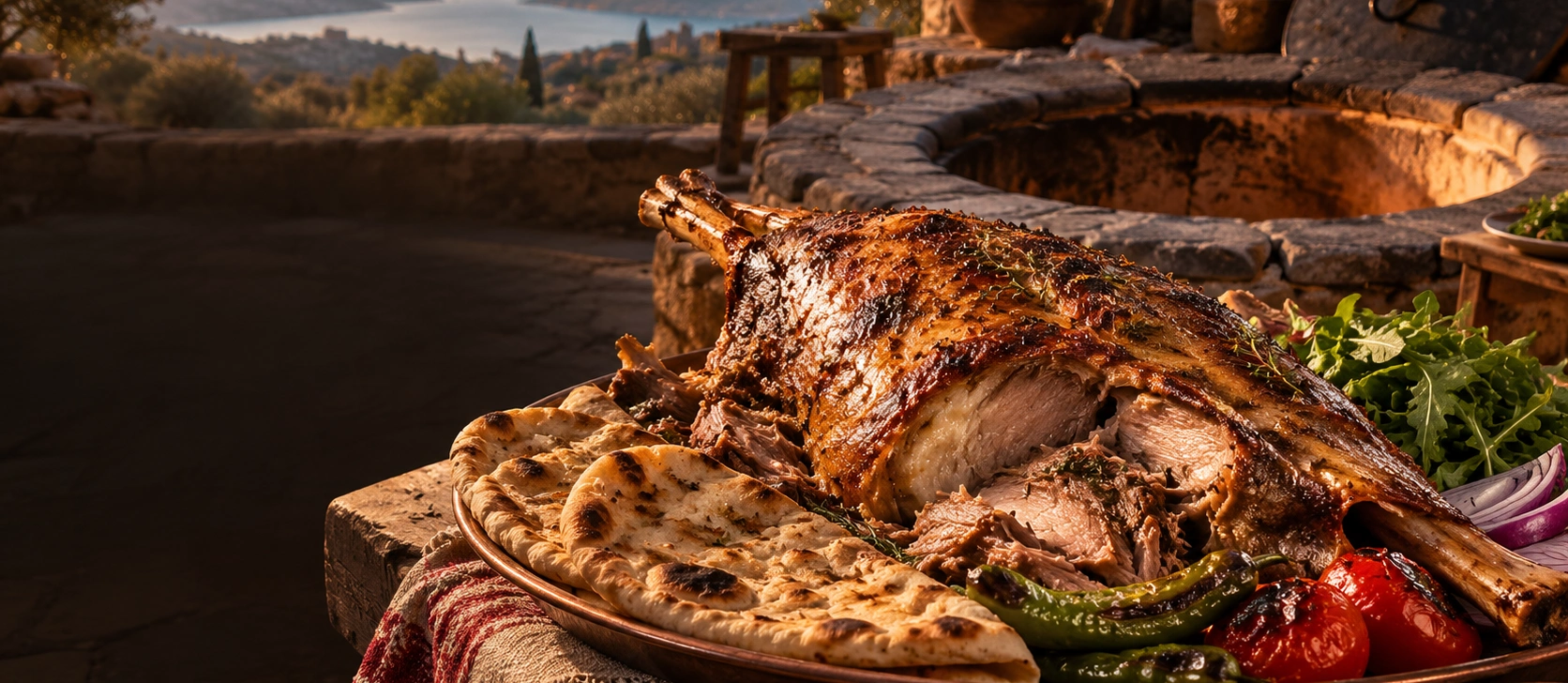
Discover the traditional food heritage of Dalama, learn about the characteristic stone-pit cooking method, and explore an important regional gastronomic tradition. Restaurant visits and food experiences are subject to availability.
Request This Experience
Explore Aydın's traditional cuisine, agricultural heritage, historic neighbourhoods, regional markets, and local crafts through a carefully planned private cultural experience.
Plan Your Private TourCombine remarkable ancient cities with the authentic food traditions and rural landscapes of western Anatolia.
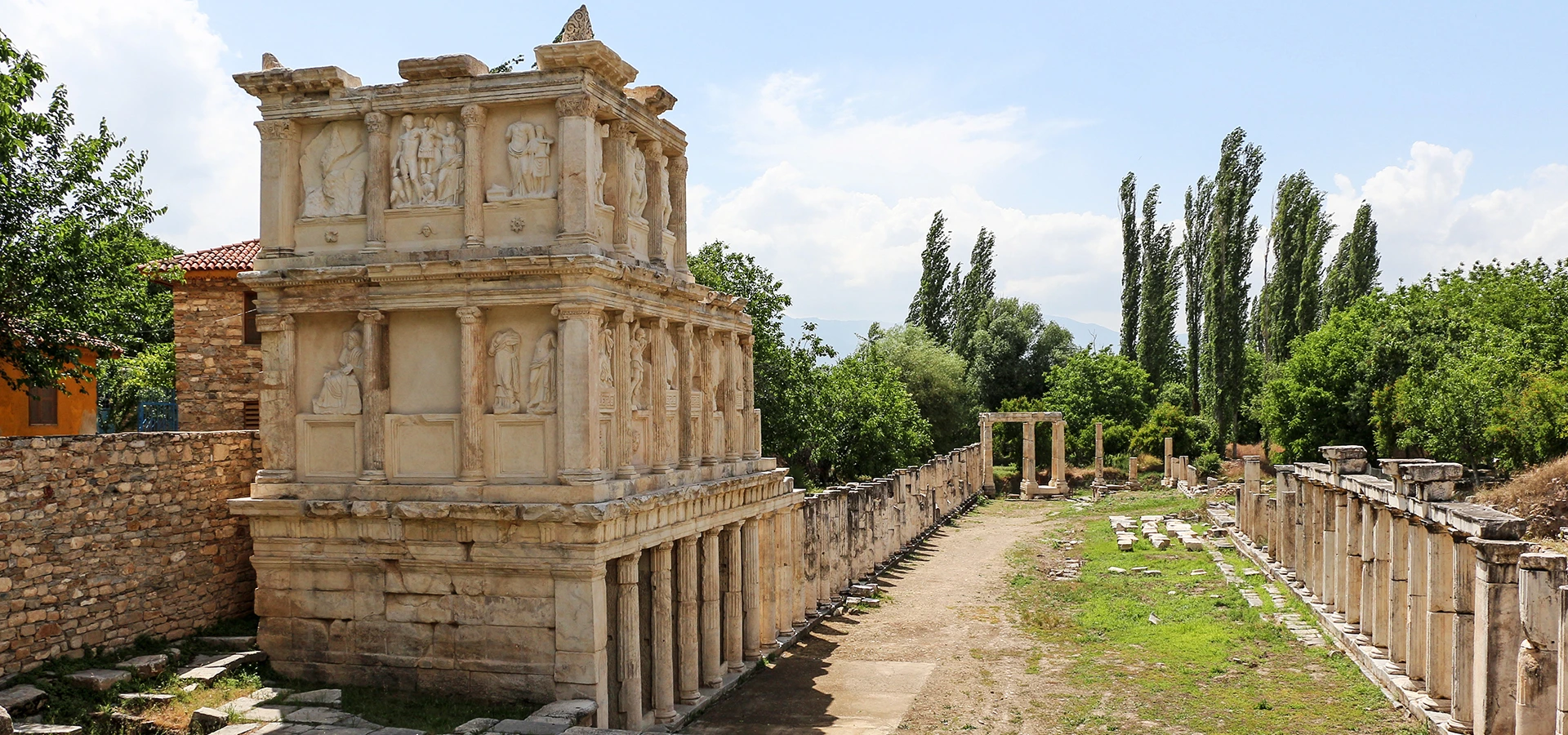
Discover the UNESCO-listed ancient city of Aphrodisias, explore the artistic and historical heritage of the region, and learn about Aydın's traditional cultural landscape.
Enquire About This Tour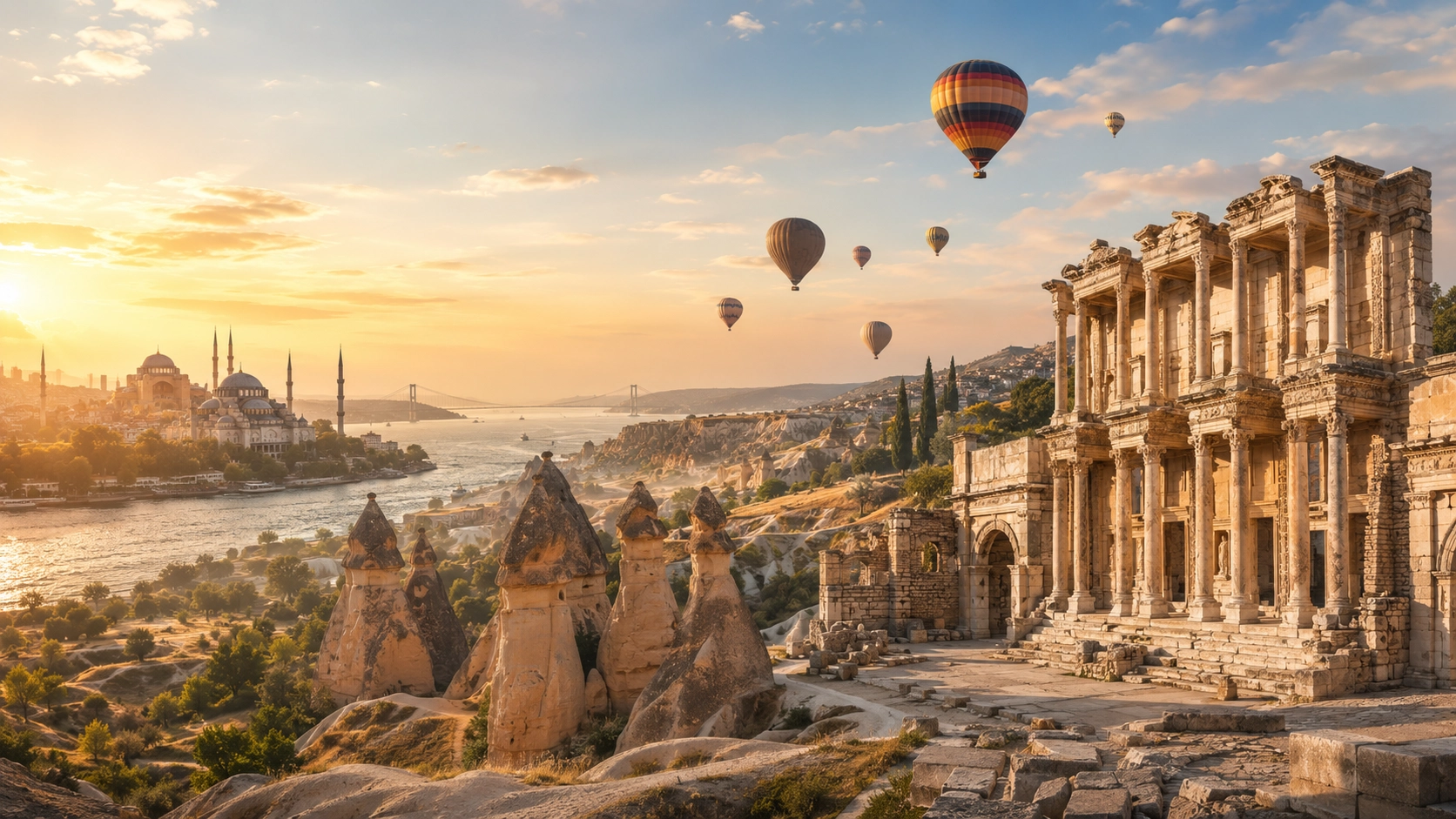
Create a personalised private itinerary combining ancient cities, traditional villages, local gastronomy, rural landscapes, and the cultural heritage of western Türkiye.
Request a Custom Itinerary