Fresh Handmade Dough
The dough is prepared with white wheat flour, water, yeast, and salt. It is kneaded by hand, rested, and prepared fresh for daily production.
- Flour: White wheat flour
- Preparation: Hand-kneaded dough
- Resting: At least one hour






Bozdoğan Pide, known locally as Bozdoğan Pidesi, is one of the most distinctive traditional baked specialities of Aydın Province in western Türkiye. Prepared with hand-kneaded wheat dough, carefully selected fillings, and a stone-based wood-fired oven, this regional pide represents generations of culinary craftsmanship in the historic district of Bozdoğan.
Unlike ordinary Turkish pide, Bozdoğan Pidesi is distinguished by its traditional dough-stretching technique, carefully defined fillings, and regional serving customs. Its four geographically indicated varieties are egg-and-cheese pide, minced-meat pide, round minced-meat pide, and tahini pide. The egg-and-cheese and tahini versions are particularly celebrated for their generous addition of locally sourced buffalo clotted cream, or manda kaymağı.
On 23 October 2024, Bozdoğan Pidesi received official geographical-indication registration from the Turkish Patent and Trademark Office under registration number 1651. This recognition protects its relationship with Bozdoğan and documents the traditional preparation techniques that make the dish distinctive.
This complete guide explores Bozdoğan Pide's culinary history, official registration, four traditional varieties, ingredients, handmade dough, wood-fired baking methods, buffalo cream, serving traditions, local dining culture, and practical recommendations for visitors discovering the flavours of Aydın.
Freshly prepared wheat dough stretched by hand through a distinctive rhythmic slapping and turning technique.
Egg-and-cheese, minced meat, round minced meat, and sweet tahini pide form the four officially recognised versions.
Locally sourced manda kaymağı adds rich creaminess to the famous cheese-and-egg and tahini varieties.
Geographically indicated since 2024, preserving Bozdoğan's distinctive baking and culinary traditions.
Essential information about one of Aydın's most celebrated traditional wood-fired dishes.
Bozdoğan district, Aydın Province, in Türkiye's Aegean region.
Open Bozdoğan on Google MapsHand-shaped pide baked on the stone floor of a traditional wood-fired oven.
Locally sourced buffalo clotted cream served on egg-and-cheese and tahini pide.
Officially registered by TÜRKPATENT in 2024 under registration number 1651.
Discover how a simple baked dish became an important symbol of Bozdoğan's local identity.
The district of Bozdoğan lies in the inland landscapes of Aydın Province, surrounded by agricultural land, traditional settlements, and the rural culture of the Aegean hinterland. Its cuisine reflects a close relationship between wheat cultivation, animal husbandry, dairy production, seasonal ingredients, and family food traditions.
Bread and oven-baked dishes have occupied an important place in Anatolian food culture for centuries. Within this broader tradition, Bozdoğan developed its own highly recognisable style of pide, distinguished by locally established recipes, handmade preparation, and regional serving customs.
Bozdoğan Pidesi has long been associated with neighbourhood bakeries, family gatherings, celebrations, religious holidays, and everyday meals. It is more than a convenient food: for many residents, a freshly baked pide represents familiar flavours, hospitality, and the craftsmanship of local pide masters.
Traditional pide restaurants have also played an important social role in the district. Families, friends, and visitors gather around freshly baked pide, sharing different varieties and enjoying the atmosphere of the oven.
The dish gained wider recognition as visitors travelling through Aydın and Nazilli began seeking out the celebrated pide restaurants of Bozdoğan. Its combination of distinctive baking methods and locally produced buffalo cream attracted increasing attention from food enthusiasts.
An especially important aspect of its heritage is the manner in which the dough is stretched. Experienced masters slap the dough rhythmically against the work surface and turn it through the air, creating an even texture without relying on mechanical rolling equipment.
This skill, together with the traditional ingredients, wood-fired cooking, and characteristic varieties, became central to the product's official geographical-indication registration in October 2024.
Today, Bozdoğan Pide remains a living part of Aydın's gastronomic heritage, connecting traditional bakery craftsmanship with the distinctive ingredients and flavours of the surrounding countryside.
Several traditional elements distinguish authentic Bozdoğan Pidesi from other regional Turkish pide specialities.
The dough is prepared with white wheat flour, water, yeast, and salt. It is kneaded by hand, rested, and prepared fresh for daily production.
The pide master repeatedly slaps the dough against the work surface and rotates it through the air. This technique helps create an even thickness and texture.
Traditional Bozdoğan Pidesi is cooked directly on the hot stone floor of a wood-fired oven, where intense heat creates its distinctive crust and aroma.
Buffalo clotted cream, known as manda kaymağı, is added to the egg-and-cheese and tahini varieties immediately after baking.
The registered product includes four distinct versions, ranging from savoury cheese and meat fillings to a rich sweet tahini preparation.
The traditional egg-and-cheese variety uses sheep's-milk cheese combined with eggs and parsley, creating a rich, savoury filling.
Bitter orange or lemon juice may be squeezed over savoury varieties, adding a refreshing acidic contrast to the cheese, meat, and richness of the toppings.
The pide master's experience determines the consistency of the dough, distribution of the filling, oven placement, and precise moment when the pide is ready.
Bozdoğan Pidesi is officially recognised by the Turkish Patent and Trademark Office, known as TÜRKPATENT, as a geographically indicated food associated with Bozdoğan district in Aydın.
Bozdoğan Pidesi
1651
23 October 2024
20 January 2022
Mahreç İşareti — a Turkish geographical indication identifying a product associated with a particular geographical area.
Nazilli Chamber of Commerce (Nazilli Ticaret Odası).
The registered geographical boundary covers Bozdoğan district in Aydın Province. According to the registration specification, all production stages must take place within this geographical area, and the buffalo clotted cream used in the applicable varieties must also be obtained from within the district.
The registration defines the ingredients, four varieties, dough preparation, hand-stretching technique, filling arrangements, wood-fired baking process, and serving characteristics.
It also establishes a framework for monitoring compliance with these traditional production requirements, helping preserve the recognised identity of Bozdoğan Pidesi.
View the Official Bozdoğan Pidesi Geographical-Indication Registration
The official geographical-indication specification identifies four traditional varieties of Bozdoğan Pidesi. Each uses the district's established dough and baking techniques, but the fillings, shapes, and serving styles create different culinary experiences.
Yumurtalı Peynirli Pide is prepared with sheep's-milk cheese, eggs, and parsley. After baking, buffalo clotted cream is added, creating a rich combination of savoury cheese, egg, and dairy cream.
Kıymalı Pide contains lean minced beef, tomatoes, onions, parsley, and salt. Butter is applied after baking, while optional bitter orange or lemon juice adds freshness.
Yuvarlak Kıymalı Pide uses the same traditional minced-meat filling but is shaped into a small round pide measuring approximately 15 centimetres in diameter.
Tahinli Pide is a sweet variety prepared by kneading pide dough together with tahini, sugar, and butter. It is formed into a thin round shape and finished with buffalo clotted cream.
One of the pleasures of visiting Bozdoğan is ordering different varieties together. A savoury minced-meat pide followed by a portion of warm tahini pide with buffalo cream offers a memorable contrast between the district's traditional flavours.
The traditional Yumurtalı Peynirli Bozdoğan Pidesi is one of the district's most distinctive savoury dishes. Its filling combines sheep's-milk cheese, fresh eggs, and parsley, while locally sourced buffalo clotted cream completes the presentation.
Approximately 75 grams of sheep's-milk cheese are used in the registered preparation for one pide.
Two eggs are combined with the cheese, producing a rich filling that sets during baking.
Approximately 5 grams of parsley add colour and a fresh herbal note.
After baking, manda kaymağı is placed on the hot pide and begins to soften with the residual heat.
The grated sheep's-milk cheese, eggs, and parsley are mixed together for approximately three minutes. The filling is then spread evenly over the centre of the stretched dough.
The dough edges are folded inward to approximately 1–1.5 centimetres in thickness, helping retain the filling during baking.
After the pide is removed from the wood-fired oven, buffalo clotted cream is placed on top. Depending on the season and personal preference, a little bitter orange or lemon juice may be added.
The result is a richly flavoured pide with a lightly crisp crust, soft egg-and-cheese filling, and creamy finish.
Kıymalı Bozdoğan Pidesi is prepared with a mixture of lean minced beef, tomatoes, onions, parsley, and salt. Its appeal lies in the balance between the fresh meat filling, thin dough, and aroma of the wood-fired oven.
The registered recipe specifies lean minced beef, traditionally selected from a tender region near the junction of the animal's front leg and body.
Finely chopped tomatoes and onions contribute moisture, aroma, and natural sweetness to the filling.
Fresh parsley and salt complete the traditional filling without requiring a complicated spice mixture.
Butter is spread over the pide after baking. Bitter orange or lemon juice may be added according to preference.
The ingredients are thoroughly mixed before being distributed across the stretched dough. The edges are folded inward, generally forming a border approximately 1–1.5 centimetres thick.
The assembled pide is placed directly inside the stone-based wood-fired oven and baked rapidly until the dough is cooked and the meat filling is ready.
After baking, butter is applied and spread along the edges with a wooden spoon. A small squeeze of bitter orange or lemon juice may be added immediately before serving.
This traditional combination produces a savoury, aromatic pide with a tender filling and lightly crisp edges.
The Yuvarlak Kıymalı Pide is a distinctive round version of the traditional minced-meat pide. While its filling follows the same preparation principles, its compact circular shape creates a different presentation.
The dough is formed into a circular pide rather than the more familiar elongated shape.
The registered round minced-meat pide measures approximately 15 centimetres across.
Approximately 80 grams of the prepared minced-meat filling are used for each round pide.
The round pide is baked in the same traditional stone-based wood-fired oven used for the other varieties.
The circular format is particularly convenient for sharing or enjoying alongside other pide varieties. Visitors interested in comparing Bozdoğan's traditional recipes should consider trying both the elongated and round minced-meat versions.
Tahinli Bozdoğan Pidesi is one of the district's most memorable specialities. Unlike the savoury varieties, this pide combines traditional dough with tahini, granulated sugar, and butter, creating a sweet baked dish finished with rich buffalo clotted cream.
The result is a wonderful contrast of flavours and textures: warm sesame richness, sweetness from sugar, lightly crisp baked dough, and the cool creaminess of freshly added manda kaymağı.
Sesame paste gives the pide its characteristic nutty richness and distinctive flavour.
White sugar provides the sweetness that distinguishes tahini pide from the savoury versions.
Butter is incorporated into the dough mixture to enrich the texture and flavour.
Locally produced buffalo clotted cream is added after baking and is an essential distinguishing feature of the registered preparation.
Traditional Bozdoğan tahini pide is circular, measuring approximately 30 centimetres in diameter. Its dough is prepared more thinly than the egg-and-cheese and minced-meat varieties, with a thickness of approximately 0.5 centimetres.
The pide dough is mixed and kneaded with tahini, sugar, and butter before being shaped and baked in the wood-fired oven.
Once the pide is removed from the oven, buffalo clotted cream is added. The contrast between the hot sweet pide and the cream produces the characteristic experience associated with this Bozdoğan speciality.
Tahini pide can be enjoyed on its own as a sweet baked treat, but it is especially appealing after a savoury pide meal. A portion of tahini pide with buffalo cream makes an excellent conclusion to a traditional Bozdoğan dining experience.
One of the defining elements of Bozdoğan Pidesi is manda kaymağı, the thick clotted cream produced from buffalo milk.
Buffalo milk is naturally rich and is especially suited to the production of clotted cream. The resulting kaymak has a dense, smooth texture and a delicate dairy flavour that complements both savoury and sweet pide.
The geographical-indication specification requires the buffalo clotted cream used in the registered preparation to come from Bozdoğan district.
Buffalo clotted cream is thick, rich, and smooth, giving the finished pide a notably creamy texture.
The cream softens the salty, savoury character of the egg-and-cheese filling.
The cream balances the sweetness and rich sesame flavour of the traditional tahini variety.
The cream is generally added after the pide leaves the oven, rather than being incorporated into the filling before baking.
This final addition is especially important for tahini pide. The official product specification identifies buffalo clotted cream as a component responsible for its distinctive appeal.
For visitors wishing to experience the most characteristic flavours of Bozdoğan, trying a pide with authentic locally produced manda kaymağı is highly recommended.
The officially registered recipes use straightforward ingredients, with particular importance placed on preparation technique, proportions, and wood-fired baking.
The following quantities are based on the registered specification for approximately ten pide portions.
1 kilogram of white wheat flour.
Approximately 50–60% of the flour weight, equivalent to about 500–600 grams of water for 1 kilogram of flour.
Approximately 0.3% of the flour weight, or around 3 grams for 1 kilogram of flour.
Approximately 0.7% of the flour weight, or around 7 grams for 1 kilogram of flour.
These quantities describe the registered traditional preparations rather than simplified household recipes. Professional pide masters adjust handling and oven placement according to dough condition, oven temperature, and their experience while maintaining the specified production characteristics.
The quality of Bozdoğan Pidesi begins with the dough. The traditional preparation requires fresh ingredients, careful hand kneading, sufficient resting time, and skilful stretching.
Traditional Bozdoğan Pidesi dough is prepared fresh each day. The registered production method does not rely on mechanical devices for stretching or shaping the dough, apart from equipment used to determine portion weights.
Perhaps the most visually distinctive part of Bozdoğan Pide preparation is the technique used to stretch the dough.
Rather than flattening it with an ordinary rolling pin, the pide master works the dough with both hands, repeatedly slapping it against the preparation surface and turning it through the air.
The dough is repeatedly lifted, turned, and slapped against the worktop using both hands.
The technique helps distribute the dough evenly, producing a consistent thickness and texture.
The rhythmic sound created by the dough striking the work surface has become part of the traditional preparation ritual.
The technique depends on experience, control, and familiarity with the elasticity of the dough.
The traditional method is more than a visual performance. It helps produce the specific dough consistency required for Bozdoğan's fillings and rapid wood-fired baking.
Watching an experienced pide master prepare the dough is one of the most interesting parts of visiting a traditional pide bakery in Bozdoğan.
The traditional stone-based wood-fired oven plays an essential role in Bozdoğan Pidesi. Its strong heat allows the dough and filling to cook rapidly while developing a lightly crisp exterior.
Wood is burned inside the traditional oven to heat its stone cooking surface and surrounding chamber.
The pide is placed directly onto the hot stone floor, allowing heat to reach the underside of the dough.
According to the registered specification, baking generally takes approximately 3–6 minutes, depending on oven temperature.
Long wooden oven peels are used to place the prepared pide into the oven.
The temperature and position of the pide are controlled by the baker. Excessive heat can burn the crust before the filling is ready, while insufficient heat can prevent the desired texture from developing.
When properly prepared, Bozdoğan Pidesi emerges from the oven with a lightly browned crust, a soft interior, and an appealing baked aroma.
The finishing ingredients are then applied according to the variety: butter for minced-meat pide, and buffalo clotted cream for the egg-and-cheese and tahini versions.
Bozdoğan Pidesi is best enjoyed freshly baked, while the crust is warm and the filling retains its characteristic texture.
The final application of buffalo cream or butter is an essential part of the eating experience. These ingredients melt or soften against the hot pide, enriching the flavour and texture.
Visitors unfamiliar with the sweet tahini variety may enjoy ordering it after a savoury pide, creating a complete traditional Bozdoğan meal.
The flavour of Bozdoğan Pidesi varies significantly between the four traditional varieties, making it an especially interesting dish for visitors who enjoy regional food.
Rich, savoury, creamy, and gently salty, with a soft egg-and-cheese filling and the smooth finish of buffalo clotted cream.
Deeply savoury, aromatic, and slightly buttery, with fresh vegetables and the distinctive character of wood-fired baking.
Similar in flavour to the elongated minced-meat version, but presented in a smaller circular format.
Sweet, nutty, buttery, and richly creamy, with toasted sesame flavours balanced by buffalo clotted cream.
The thin dough and wood-fired cooking method provide a common foundation, but the fillings create a wide range of textures and flavours.
For first-time visitors, the egg-and-cheese pide with buffalo cream and the sweet tahini pide offer two especially distinctive introductions to the district's culinary identity.
Pide is prepared throughout Türkiye, and many regions have their own recipes and baking traditions. Bozdoğan Pidesi stands out through its officially documented combination of techniques, ingredients, and presentation.
The distinctive dough-slapping and airborne turning technique is specifically documented in Bozdoğan's registered production method.
The use of locally sourced manda kaymağı with egg-and-cheese and tahini pide is an especially recognisable feature.
The four registered versions include both meat-based and cheese-based savoury pides and a distinctive sweet tahini preparation.
The registered round minced-meat and tahini varieties have characteristic dimensions and preparation methods.
Optional bitter orange juice provides a notable regional finishing flavour for savoury versions.
The protected preparation is associated specifically with Bozdoğan district and its established culinary practices.
Bozdoğan Pidesi is deeply connected with the social and culinary life of the district. Traditional pide restaurants are places where residents enjoy familiar dishes, welcome guests, and gather around shared meals.
Pide is a popular choice for family gatherings, particularly when several different varieties can be shared.
Traditional pide restaurants are associated with holiday dining and local celebrations.
Local market days have historically created opportunities for residents from surrounding communities to enjoy the district's pide restaurants.
Freshly baked pide forms part of the wider local dining culture during Ramadan, including meals shared with family and friends.
Offering freshly baked pide is a welcoming way to share the flavours of Bozdoğan with visitors.
The district's pide tradition attracts food enthusiasts interested in experiencing regional recipes at their place of origin.
The local custom of preparing fillings at home and taking them to a pide bakery has also been documented in studies of Bozdoğan's culinary culture, illustrating the close relationship between households and traditional ovens.
The most meaningful place to experience Bozdoğan Pidesi is in Bozdoğan itself, where traditional bakeries and pide restaurants continue to prepare the district's celebrated specialities.
Explore established pide restaurants around the central streets and local commercial areas.
Look for restaurants using stone-based wood-fired ovens and hand-stretched dough.
Choose establishments preparing the traditional egg-and-cheese, minced-meat, round minced-meat, and tahini varieties.
Ask whether the restaurant serves its cheese and tahini pide with locally sourced manda kaymağı.
One established local example is Mikado Pide in Bozdoğan town centre, known for its traditional pide and buffalo-cream specialities. Restaurant menus and opening times may change, so check current details before visiting.
For the most characteristic experience, choose a restaurant where the pide is stretched, filled, and baked to order. Watching the dough preparation and wood-fired baking can be almost as memorable as the meal itself.
Traditional stone-based wood-fired baking is essential to the registered preparation and distinctive character of Bozdoğan Pidesi.
Combine a savoury pide with sweet tahini pide to experience the district's range of flavours.
Choose egg-and-cheese or tahini pide served with locally produced manda kaymağı.
The traditional slapping and turning technique is one of the most interesting elements of Bozdoğan's bakery culture.
The texture and flavour are particularly appealing immediately after the pide is removed from the oven.
When available, a little traditional turunç juice can add a refreshing contrast to savoury pide.
The sweet tahini variety with buffalo clotted cream makes an excellent ending to a savoury meal.
Cheese varieties contain dairy and eggs, meat varieties contain beef, and tahini pide contains sesame. Ask about additional ingredients if you have allergies.
Portion sizes, ingredients, and menu prices may vary between restaurants.
Combine your meal with a leisurely exploration of the district's town centre and countryside.
Bozdoğan Pidesi is part of a much wider culinary landscape. Aydın Province is known for its regional breads, meat dishes, olive products, dairy specialities, fruit, and traditional sweets.
Discover the traditional walnut-based sweet speciality associated with the district's local food culture.
Explore Bozdoğan's traditional slow-roasted young-goat speciality and rural meat-cooking traditions.
Compare Bozdoğan's famous pide with another traditional wood-fired speciality from the Nazilli area.
Discover the pide heritage of nearby Yenipazar and its distinctive regional bakery traditions.
Explore another local pide tradition from Aydın's inland districts.
Taste one of Aydın's most celebrated agricultural products, valued for its natural sweetness.
Discover the olive-growing heritage of Aydın and the distinctive flavour of Memecik olives.
Enjoy a refreshing regional sweet associated with traditional Nazilli food culture.
A visit to Bozdoğan can be combined with scenic countryside, traditional towns, regional food experiences, and historical attractions across inland Aydın.
Discover the district's traditional streets, local markets, rural heritage, and landscapes.
Explore the reservoir landscape and surrounding scenery near Bozdoğan.
Discover another traditional Aydın district with rural landscapes and local heritage.
Explore traditional pottery, local food specialities, and the historic atmosphere of this Aydın district.
Visit one of Türkiye's most extraordinary archaeological sites, celebrated for its Greco-Roman sculpture and monumental architecture.
Learn about the regional history and national resistance heritage associated with Yörük Ali Efe.
Visitors can plan a culinary journey through inland Aydın, sampling different pide traditions while exploring local markets, historic settlements, and the region's agricultural heritage.
Bozdoğan district is situated in inland Aydın Province, within Türkiye's Aegean region.
Bozdoğan can be reached by road from Nazilli and other destinations in Aydın Province.
Traditional pide can be enjoyed throughout the year. Individual restaurant schedules should be checked in advance.
Try a savoury pide and finish with tahini pide with buffalo clotted cream.
Traditional pide restaurants generally offer an informal, welcoming setting suited to relaxed meals.
Ask about meat, dairy, eggs, wheat gluten, and sesame when selecting a variety.
Bozdoğan is especially rewarding for travellers interested in discovering authentic local food beyond the better-known coastal resort destinations of Aydın.
Bozdoğan Pidesi offers excellent photographic opportunities, from traditional dough preparation to steaming pide emerging from the wood-fired oven.
Capture the movement of the pide master stretching and turning dough in the air.
Photograph the traditional oven, glowing fire, and pide being placed on the hot stone surface.
Focus on the egg-and-cheese filling and the creamy topping of buffalo kaymak.
Capture the elongated baked shape, golden crust, and freshly prepared meat filling.
Photograph the round sweet pide immediately after the buffalo cream has been added.
Arrange different pide varieties together to illustrate Bozdoğan's culinary diversity.
Always ask permission before photographing restaurant staff, bakers, or other guests. Take care around hot ovens and avoid interfering with food preparation.
Bozdoğan Pide is a traditional Turkish pide speciality from Bozdoğan district in Aydın Province. It is prepared with hand-stretched wheat dough, traditional fillings, and a stone-based wood-fired oven.
It is called Bozdoğan Pidesi, referring to the traditional pide associated with the district of Bozdoğan.
It originates from Bozdoğan district in Aydın Province, western Türkiye.
Yes. Bozdoğan Pidesi has been registered by the Turkish Patent and Trademark Office with geographical-indication registration number 1651.
The geographical-indication registration was completed on 23 October 2024, following an application dated 20 January 2022.
The registration holder is the Nazilli Chamber of Commerce, known in Turkish as Nazilli Ticaret Odası.
The official specification recognises four varieties: egg-and-cheese pide, minced-meat pide, round minced-meat pide, and tahini pide.
Its traditional hand-stretching technique, stone-based wood-fired oven, four registered varieties, specific dough and filling methods, and use of locally sourced buffalo clotted cream make it distinctive.
The dough uses white wheat flour, water, yeast, and salt.
The dough is kneaded by hand, rested for at least one hour, divided into portions, and stretched using the traditional slapping and turning technique.
The rhythmic slapping and turning technique helps distribute the dough evenly and develop the consistency required for the traditional pide.
Yes. The registered preparation requires a traditional stone-based wood-fired oven.
According to the geographical-indication specification, it generally bakes for approximately 3–6 minutes, depending on oven temperature.
Manda kaymağı is buffalo clotted cream, a thick dairy speciality made from buffalo milk. It is used as a finishing ingredient on traditional Bozdoğan egg-and-cheese and tahini pide.
The traditional egg-and-cheese pide and tahini pide are served with locally sourced buffalo clotted cream.
The registered filling contains sheep's-milk cheese, eggs, and parsley. Buffalo clotted cream is added after baking.
The registered preparation uses lean minced beef combined with tomatoes, onions, parsley, and salt.
It is a circular version of the traditional minced-meat pide, measuring approximately 15 centimetres in diameter.
Tahinli Bozdoğan Pidesi is a sweet baked speciality made with pide dough, sesame tahini, sugar, and butter. It is served with buffalo clotted cream.
It is sweet. The combination of tahini, sugar, butter, and buffalo clotted cream creates a rich dessert-like baked dish.
The registered tahini pide is circular and approximately 30 centimetres in diameter, with dough about 0.5 centimetres thick.
Bitter orange juice, called turunç suyu, adds acidity and freshness, balancing the richness of the cheese or meat filling. Lemon may also be used.
The registered traditional fillings do not depend on hot spices. Their flavour comes primarily from the main ingredients, dough, and wood-fired baking.
The egg-and-cheese version contains sheep's-milk cheese and buffalo cream, while tahini pide contains butter and buffalo cream. Minced-meat pide is traditionally finished with butter. Ask the restaurant about allergens and preparation.
Yes. The traditional dough is prepared with wheat flour and therefore contains gluten.
Traditional pide restaurants in Bozdoğan town centre offer the opportunity to experience the district's characteristic recipes and wood-fired baking.
Yes. Ordering different varieties to share is an enjoyable way to compare the savoury and sweet traditions of Bozdoğan.
A traditional egg-and-cheese pide with buffalo clotted cream, or a minced-meat pide, followed by sweet tahini pide, provides an excellent introduction.
Yes. Traditional pide is a year-round food, although individual restaurant opening schedules and ingredient availability may vary.
Yes. Bozdoğan offers an opportunity to experience a geographically indicated culinary tradition in its place of origin, including handmade dough, wood-fired baking, and locally produced buffalo clotted cream.
Discover Bozdoğan Pide as part of a personally designed private journey through Aydın's traditional towns, ancient cities, agricultural landscapes, and regional food culture.
Flexible private arrangements combining local food traditions, cultural discovery, and scenic countryside.
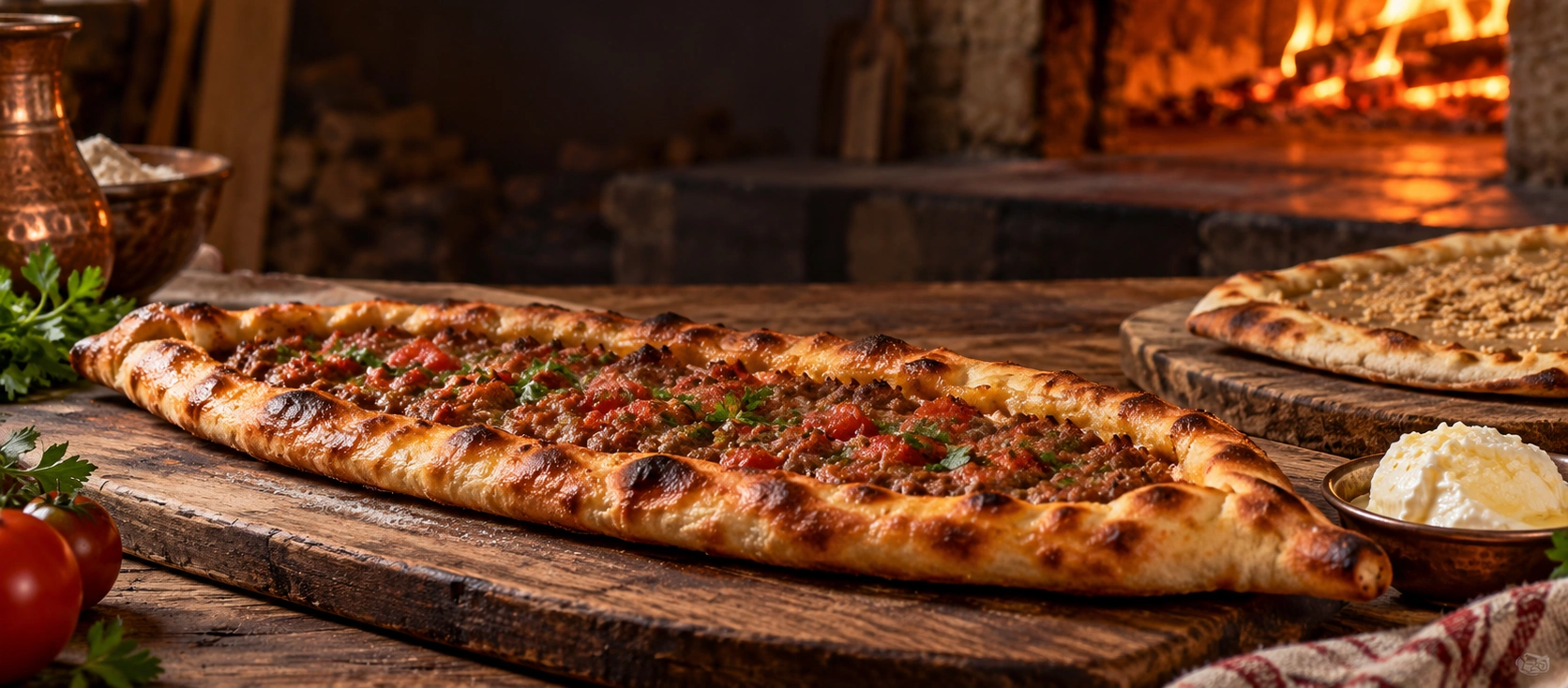
Explore Bozdoğan's traditional town centre and local food heritage, with opportunities to taste wood-fired pide, buffalo clotted cream, and other regional specialities.
Request This Experience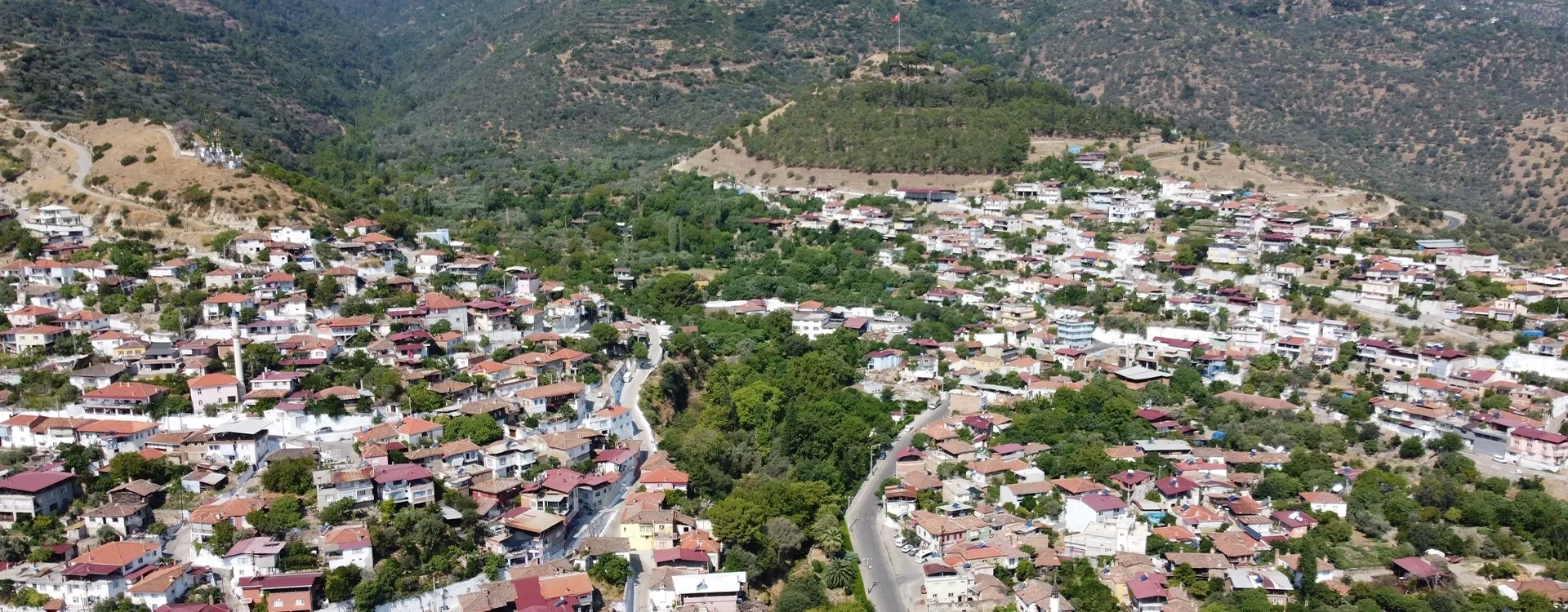
Discover the distinctive pide traditions of Bozdoğan, Nazilli, Yenipazar, and Karacasu on a customised regional food journey with private transportation.
Plan Your Food JourneyCombine the culinary traditions of Aydın with the region's remarkable historical heritage and scenic landscapes.
Combine Bozdoğan's traditional food culture with scenic countryside, local settlements, and the landscapes surrounding Kemer Dam on a customised private experience.
Request a Private Tour
Design a private itinerary connecting Aphrodisias, Karacasu, Bozdoğan, and traditional regional restaurants, with a focus on archaeology, local craftsmanship, and Aegean cuisine.
Design Your Journey