Aydın Culinary Heritage, Aegean Agriculture & Geographical Indications

Aydın Fig – The Golden Fruit of the Aegean

Discover Aydın İnciri, the celebrated Sarılop fig
shaped by sunshine, ancient traditions and the fertile valleys of western Türkiye.

Discover the Aydın Fig

Aydın İnciri – A Taste of Anatolia's Ancient Agricultural Heritage

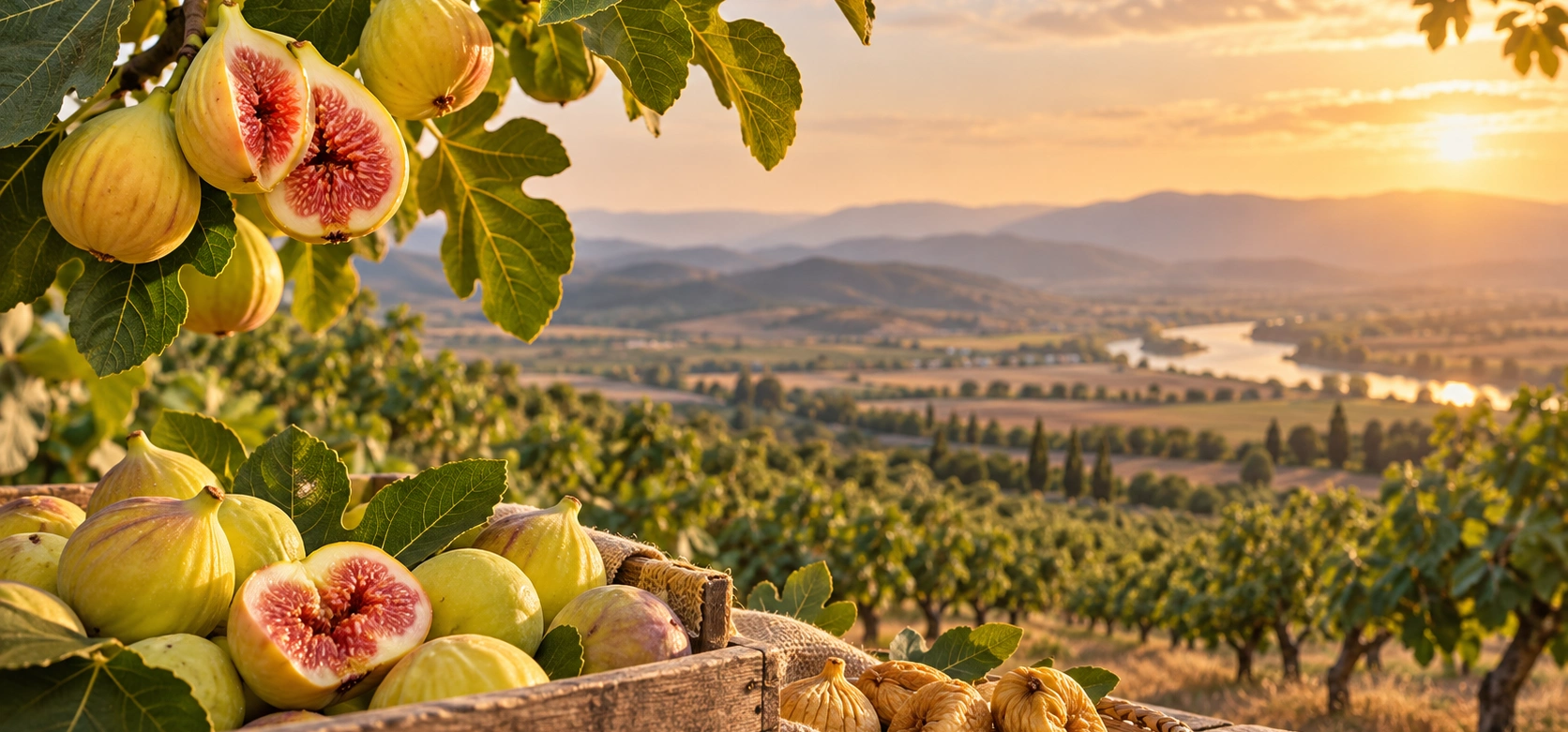
Aydın Fig, known in Turkish as Aydın İnciri, is one of the most celebrated agricultural products of western Türkiye. Grown beneath the Mediterranean sunshine of Aydın Province, the fig has become a symbol of the region's fertile landscapes, agricultural knowledge and culinary traditions.

The internationally recognized specialty is produced from the Sarılop fig variety, particularly valued for its delicate skin, naturally concentrated sweetness and suitability for traditional sun-drying. When dried, the fruit develops a soft, honey-like interior and a pale golden exterior that distinguish it from many other fig varieties.

Fig cultivation has deep roots in the ancient landscapes of western Anatolia. The valleys surrounding the Büyük Menderes River have supported agricultural communities for thousands of years, and the fig remains closely connected to local livelihoods, family orchards and seasonal harvest traditions.

The distinctive qualities of Aydın's figs arise from a combination of climate, geography, traditional pollination techniques and careful drying practices. Warm summers, suitable winds and generations of agricultural expertise contribute to the quality of the finished fruit.

Aydın İnciri received Turkish geographical indication protection in 2007 and was recognized in the European Union as a Protected Designation of Origin (PDO) in 2016. These registrations acknowledge the relationship between the dried Sarılop fig and the geographical environment in which it is produced.

For travelers exploring Türkiye beyond its famous archaeological monuments, Aydın's fig-growing traditions offer an opportunity to discover the agricultural heritage that has helped sustain the Aegean region since antiquity.

Ancient Heritage

Part of western Anatolia's agricultural traditions for thousands of years.

Sarılop Variety

The characteristic fig used to produce protected Aydın İnciri.

Traditional Sun-Drying

Careful harvesting and natural drying help create its distinctive texture.

Protected Origin

Turkish geographical indication and European Union PDO recognition.

Know the Golden Fruit

Aydın Fig – Quick Facts

Essential information about one of Türkiye's most distinctive agricultural specialties.

📍

Origin

Aydın Province, Aegean Region, western Türkiye.

Explore Aydın on Google Maps
🌳

Botanical Species

Ficus carica L., the common fig.

🍈

Protected Variety

Sarılop, the traditional fig variety used for Aydın İnciri.

☀️

Traditional Processing

Natural ripening followed by carefully managed sun-drying.

🏅

Turkish Registration

Geographical indication number 90, registered August 20, 2007.

🇪🇺

European Recognition

EU Protected Designation of Origin, recognized in 2016.


Understanding Aydın's Signature Fruit

What Is Aydın İnciri?

A geographically protected dried fig whose identity is inseparable from the agricultural landscapes of Aydın.

Aydın İnciri is the protected geographical name for dried figs produced from the Sarılop variety within Aydın Province. Although the wider region grows several types of fresh figs, the official designation refers specifically to this traditional dried product.

The Sarılop fig is prized for its relatively thin skin, sweet interior and capacity to develop the qualities required for high-quality dried fruit. When fully matured and properly dried, the fig takes on a soft texture, a characteristic aroma and naturally concentrated sweetness.

Its appearance is usually pale yellow to golden or whitish-yellow, rather than the deep purple or black associated with some fresh fig varieties.

The protected product is not defined by fruit variety alone. Its distinctiveness is connected to local soil and climatic conditions, traditional orchard management, pollination, harvesting and drying techniques.

Under the geographical indication specification, the production, harvesting and drying processes must take place within the designated area of Aydın Province.

This makes Aydın İnciri more than a generic dried fig. It is an agricultural product whose recognized identity reflects a particular place and an established tradition of cultivation and processing.

Why Are Aydın Figs So Special?

Aydın's reputation for figs rests on a combination of natural conditions and accumulated agricultural knowledge. The protected Sarılop fig expresses several qualities that have made it important in traditional food culture and dried-fruit production.

Exceptional Natural Sweetness

As the fruit ripens and dries, its natural sugars become concentrated, giving the finished fig a rich, honey-like sweetness.

Soft, Delicate Skin

The traditional dried product is recognized for its relatively thin and soft exterior.

Favorable Aegean Climate

Warm summers, seasonal dryness and characteristic wind patterns contribute to ripening and drying conditions.

Traditional Pollination

Caprification, known locally as ilekleme, helps ensure successful development of the Sarılop fig crop.

Sun-Drying Expertise

Producers monitor drying conditions carefully to achieve the required texture and moisture level.

Protected Regional Identity

Turkish and European registrations formally recognize the product's connection with Aydın.

Important distinction: Not every fig grown in Aydın automatically qualifies as protected Aydın İnciri. The registered product is dried Sarılop fig produced in accordance with its geographical indication specification.

The Geography and Climate Behind Aydın's Famous Figs

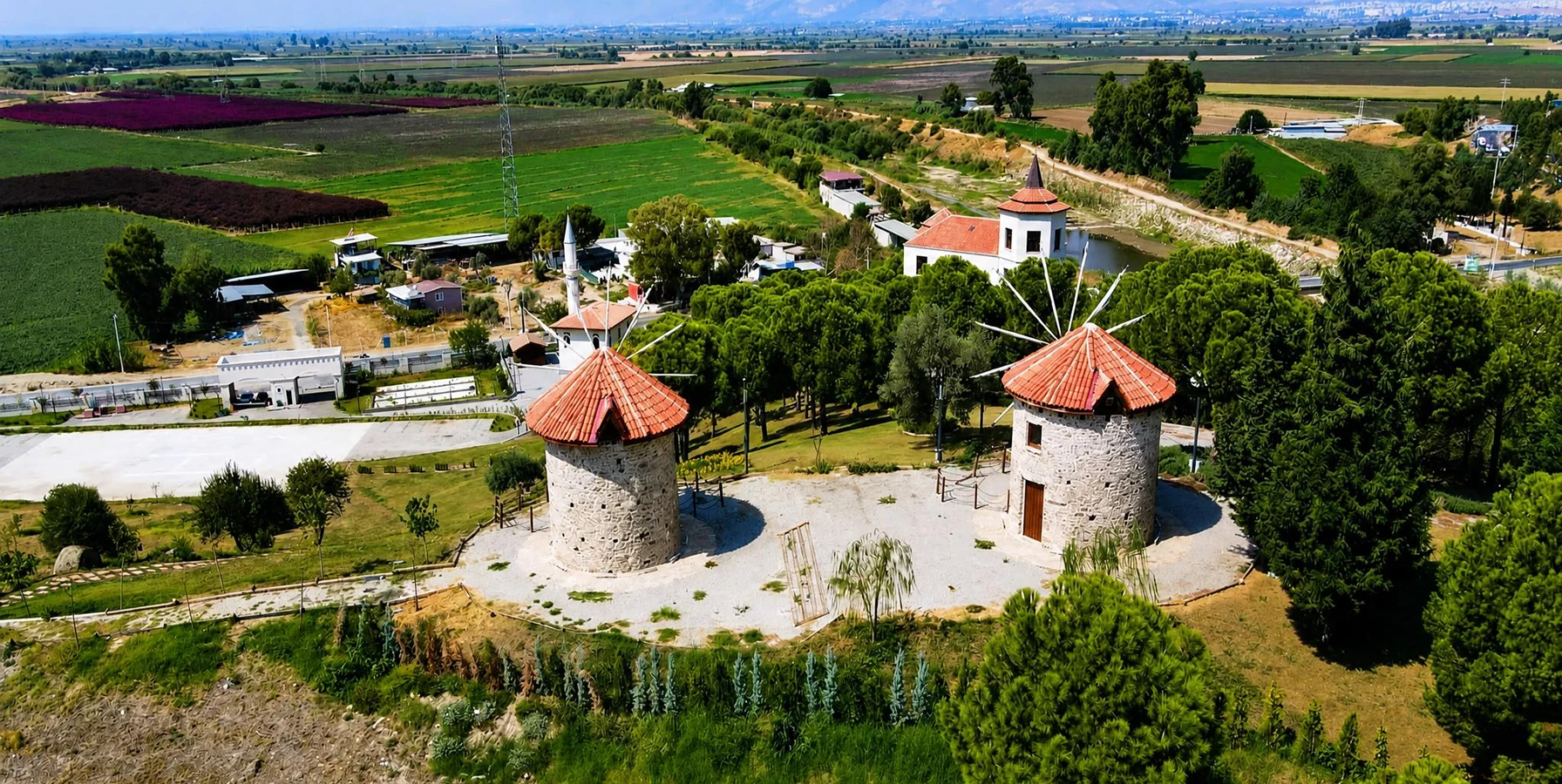
The agricultural environment of Aydın is central to understanding the quality of its figs. Situated in western Anatolia, the province includes fertile plains, foothills, river valleys and agricultural settlements shaped by centuries of cultivation.

The Büyük Menderes Valley is particularly important to the region's farming heritage. Its broad east-west orientation allows climatic influences from the Aegean coast to extend inland.

Aydın generally experiences hot, dry summers and relatively mild winters. These conditions support fig cultivation, while the local pattern of winds contributes to fruit development and the traditional drying process.

The Büyük Menderes Valley

A major agricultural corridor where fig orchards form an important part of the rural landscape.

Warm Summer Sunshine

Summer heat and sunlight encourage fruit maturation and facilitate traditional outdoor drying.

Morning Northeastern Winds

These winds play a role in the ripening and drying conditions described in the protected product specification.

Afternoon Sea Breezes

Moisture-bearing winds arriving from the west help shape the local microclimate and the characteristics of the fruit.

Valley and Foothill Orchards

Fig trees are cultivated in different landscapes across Aydın, with local conditions influencing orchard management.

Generations of Agricultural Knowledge

Experience in pruning, pollination, harvesting and drying complements the advantages provided by the natural environment.

According to the European product specification, the interaction between the morning winds and afternoon sea breezes is particularly important to the characteristics of Aydın İnciri.

This relationship between a regional product and its environmental conditions is a fundamental reason for its Protected Designation of Origin status.

History of Fig Cultivation in Aydın

The fig tree belongs to one of the world's oldest cultivated fruit traditions. Archaeological and botanical research indicates that figs have been important to human communities in the Mediterranean and Near East since prehistoric times.

In western Anatolia, figs became associated with the fertile valleys, villages and trading networks that connected the Aegean coast with the interior.

Ancient Caria and the neighboring Ionian region formed part of a landscape where farming, commerce and maritime exchange supported economic life. The cultivation and consumption of figs belonged to this broader agricultural world.

Dried fruits were particularly useful because they could be preserved and transported more easily than fresh produce. This made figs suitable for household storage, journeys and trade.

During the Byzantine and Ottoman periods, fig growing continued as part of the agricultural economy of western Anatolia. Over time, cultivation and drying techniques were passed between generations of farming families.

Modern commercial production developed through regional agriculture and export networks, but traditional knowledge remained important, especially in orchard management and harvesting.

The registration of Aydın İnciri as a Turkish geographical indication in 2007 and its subsequent European recognition in 2016 established formal protections for the region's traditional dried fig.

Prehistoric Fig Cultivation

Figs have been cultivated in the wider Near Eastern and Mediterranean world since very early periods of settled agriculture.

Ancient Western Anatolia

Fig cultivation became part of the agricultural culture of the Aegean valleys and surrounding settlements.

Byzantine and Ottoman Traditions

Regional orchard management and fruit preservation continued across successive historical periods.

Development of Modern Trade

Dried figs became an important agricultural commodity connecting Aegean producers with wider markets.

August 20, 2007

Aydın İnciri received Turkish geographical indication registration number 90.

2016

The European Union recognized Aydın İnciri as a Protected Designation of Origin.

The Fig Tree – One of Anatolia's Ancient Fruit-Bearing Plants

The common fig, Ficus carica, is a deciduous tree belonging to the mulberry family, Moraceae. It is widely associated with Mediterranean landscapes and has long been cultivated for its edible fruit.

Fig trees have broad, lobed leaves, spreading branches and a distinctive growth habit. Under suitable conditions, they can survive in relatively dry environments, although productive cultivation depends on appropriate agricultural management.

What people commonly call the fig fruit is botanically an unusual structure known as a syconium. It contains numerous tiny flowers within a fleshy enclosure.

The tiny flowers and developing seeds contribute to the characteristic interior texture of the edible fig.

Scientific Name

Ficus carica L., a species traditionally associated with the Mediterranean and western Asian regions.

Plant Family

Moraceae, the botanical family that also includes mulberries.

Distinctive Leaves

Large, lobed leaves create the recognizable silhouette of the fig tree.

Unusual Fruit Structure

The edible fig develops from a specialized structure containing numerous internal flowers.

Natural Latex

Fig stems and unripe fruit contain milky sap, which can irritate the skin.

Long Agricultural History

The species has a longstanding relationship with Mediterranean and Anatolian food traditions.

What Is the Sarılop Fig?

Sarılop is the fig variety at the heart of the Aydın İnciri geographical indication. It belongs to the common fig species and is especially valued for dried-fruit production.

The variety's Turkish name is closely associated with its yellowish appearance. Sarılop figs develop a delicate skin and naturally sweet flesh, and their characteristics make them particularly suitable for traditional sun-drying.

In international fig-growing contexts, the Turkish Sarılop is closely associated with the Calimyrna type of fig.

The protected designation identifies the Sarılop variety together with the geographical area and production method. A fig of the same variety grown elsewhere does not qualify merely because it shares similar botanical characteristics.

Traditional Name

Sarılop, the characteristic dried-fig variety associated with Aydın.

Appearance

Pale yellow or yellow-green when mature, developing a characteristic golden appearance after drying.

Flavor

Sweet and aromatic, with a rich interior that becomes more concentrated during drying.

Texture

Thin-skinned fruit with a soft interior and numerous tiny seeds.

Main Traditional Use

Production of high-quality dried figs through carefully managed harvesting and drying.

Pollination Requirement

Successful production involves the traditional caprification process.

Botanical note: Sarılop is a specific fig variety. The protected Aydın İnciri name additionally requires compliance with the geographical and production conditions stated in its registration.

İlekleme – How Aydın's Fig Trees Are Pollinated

One of the most remarkable aspects of Sarılop fig cultivation is the traditional pollination method known in Turkish as ilekleme, or caprification.

Unlike many familiar orchard fruits, certain fig varieties rely on a highly specialized relationship with tiny fig wasps for successful pollination.

The Sarılop variety requires this process to produce a reliable crop. Farmers traditionally collect suitable caprifigs from male fig trees and place them among the branches of the productive female trees.

The caprifigs contain fig wasps capable of transporting pollen. When the wasps enter the receptive figs, they facilitate pollination and the development of the fruit's seeds.

The timing of ilekleme is important. Growers must recognize when the productive figs are receptive and when the caprifigs are ready to release pollinating wasps.

1. Caprifig Development

Suitable caprifigs develop on male fig trees and are selected for pollination.

2. Selecting the Right Time

Farmers observe seasonal conditions and the development of the receptive Sarılop figs.

3. Hanging Caprifigs

Caprifigs are placed among the branches of the female fig trees.

4. Natural Pollination

Tiny fig wasps transfer pollen between the relevant fig structures.

5. Fruit Development

Successful pollination supports seed development and the growth of the edible fruit.

6. Generational Knowledge

The practice depends on experience, seasonal observation and familiarity with local orchards.

Did you know? Caprification is one of the agricultural techniques described in the geographical indication specification. The interaction between fig trees and their specialized pollinating wasps illustrates how closely traditional farming can depend on natural ecological relationships.

How Aydın Figs Are Grown

Producing high-quality Sarılop figs involves a year-round cycle of orchard care, seasonal observation and careful management of the trees.

Although the summer harvest receives the greatest attention, the work begins much earlier with pruning, soil care and preparation for the growing season.

Winter Orchard Care

Farmers inspect trees, manage branches and carry out appropriate maintenance during the dormant season.

Spring Growth

Leaves and new shoots develop as temperatures rise and the growing season advances.

Orchard Management

Growers maintain the soil and monitor tree health according to local conditions and agricultural requirements.

Early Summer Pollination

Traditional ilekleme supports fruit development through the specialized pollination process.

Summer Ripening

Warm weather and favorable environmental conditions allow the figs to develop their natural sweetness.

Harvest Preparation

Equipment and drying areas are prepared for the arrival of mature fruit.

The success of the crop depends on many factors, including weather, pollination, orchard health and the care taken during harvesting.

Producers must combine their understanding of the fig tree's natural cycle with practical knowledge developed through experience.

The Traditional Aydın Fig Harvest

The fig harvest is an important seasonal activity throughout the agricultural districts of Aydın. As summer advances, the mature Sarılop fruits gradually develop their characteristic sweetness and texture.

Figs intended for traditional drying are allowed to mature fully. The fruits often begin drying naturally on the tree before falling to the ground, where they are collected promptly and carefully.

Harvesting requires particular attention because ripe figs are delicate. Rough handling, excessive pressure or prolonged exposure to unsuitable conditions can damage the fruit and reduce its quality.

Families and agricultural workers traditionally carry out repeated collections during the harvest period, followed by sorting and transfer to prepared drying areas.

Natural Maturation

Fruit is allowed to reach the ripeness required for high-quality traditional drying.

Careful Collection

Mature figs are gathered regularly to reduce unnecessary damage and deterioration.

Delicate Handling

Workers avoid crushing the soft fruit during collection and transport.

Sorting the Harvest

Fruit is checked and separated according to its condition and suitability for drying.

Preparing Drying Surfaces

Traditional drying racks or beds are prepared in appropriate, hygienic locations.

Seasonal Community Activity

The harvest remains an important part of rural life in Aydın's fig-growing areas.

Harvest season: Fresh Sarılop figs can begin reaching the market in summer, while dried-fig harvesting and preparation extend through the late-summer period and may continue into early autumn. Actual dates vary with weather, variety, location and each year's crop.

How Aydın Figs Are Traditionally Sun-Dried

Traditional sun-drying is one of the defining characteristics of Aydın İnciri. It is during this process that the mature Sarılop fruit develops the concentrated sweetness and characteristic texture associated with the protected product.

After harvesting, figs are arranged on appropriate drying beds or raised racks, locally associated with the term kerevit.

The drying process requires careful attention to sunlight, airflow, humidity and the condition of the fruit. Producers inspect the figs and manage their exposure according to changing weather conditions.

1. Collect Mature Figs

Fully ripened fruit is gathered carefully and transported to the drying area.

2. Inspect and Sort

Damaged or unsuitable fruit is separated from figs intended for high-quality drying.

3. Arrange on Drying Beds

Figs are spread on suitable surfaces to allow sunlight and moving air to reach the fruit.

4. Monitor Daily

Workers inspect the drying fruit regularly and adjust handling according to conditions.

5. Protect from Dew

Traditional techniques include gathering and covering the figs at night when necessary.

6. Complete Drying

The process continues until the fruit reaches the required dried consistency and moisture conditions.

7. Grade the Fruit

Dried figs are sorted according to relevant quality characteristics and commercial requirements.

8. Prepare for Storage

Suitable fruit is transferred to controlled storage or further food-processing and packaging operations.

Traditional drying is not simply a matter of leaving fruit outdoors. The success of the process depends on timing, weather awareness, hygienic conditions and the judgment of experienced workers.

Quality and food safety: Dried figs can be affected by moisture, mold and mycotoxin contamination if they are mishandled. Professional producers use inspection, sorting and appropriate food-safety controls. Traditional sun-drying should not be confused with uncontrolled outdoor storage.

Appearance, Texture and Flavor of Aydın İnciri

The registered product specification describes several physical, chemical and sensory characteristics that help distinguish Aydın İnciri from other dried figs.

Its exterior is generally whitish-yellow, with relatively thin and soft skin. The inside has a dense, smooth, honey-like consistency and a distinctive sweet aroma.

Pale Golden Exterior

A characteristic whitish-yellow appearance associated with the traditionally dried Sarılop variety.

Thin Skin

A relatively delicate exterior contributes to the fruit's recognizable eating texture.

Honey-Like Interior

The inner flesh is dense, soft and naturally sweet.

Numerous Tiny Seeds

Developed seeds contribute a subtle textural contrast when the dried fig is eaten.

Distinctive Aroma

The fruit has a characteristic sweet smell without needing added flavoring.

Natural Concentration

Water loss during drying concentrates the fruit's naturally occurring sugars and other components.

The official European product description also specifies quality characteristics including a maximum moisture content of 20% and a minimum total sugar content of 50% for the defined dried product.

These are registered product criteria, not a claim that every fig contains identical amounts of sugar or moisture.

What Do Aydın Figs Taste Like?

A properly produced Aydın İnciri offers a naturally rich sweetness accompanied by the delicate aroma of the fig itself. The flavor is often described as honey-like, while the texture combines a tender exterior with a dense interior.

Fresh Sarılop figs are juicier and lighter in texture. When dried, they become more concentrated, with a fuller sweetness and a chewier consistency.

Natural Honey-Like Sweetness

Concentrated fruit sugars create the characteristic rich sweet taste.

Delicate Fruity Aroma

Its aroma comes from the fig rather than an added flavoring ingredient.

Soft Interior

A properly dried fig should retain its recognizable tender inner consistency.

Subtle Seed Texture

The small internal seeds provide gentle contrast during chewing.

Rich Aftertaste

The natural sweetness and characteristic aroma can linger pleasantly after eating.

Versatility

The fruit can be eaten on its own or combined with both sweet and savory ingredients.

Fresh Aydın Figs vs. Dried Aydın İnciri

Travelers often encounter Aydın figs in both fresh and dried forms. Although they may originate from similar agricultural landscapes, their appearance, texture, storage requirements and uses differ significantly.

Fresh Fig Soft, juicy and highly perishable
Dried Fig Concentrated sweetness with a denser, chewy texture
Fresh Fig Season Primarily summer, varying by variety and yearly conditions
Dried Fig Availability Generally available beyond harvest season when properly packaged and stored
Fresh Fig Storage Requires prompt consumption and appropriate refrigeration
Dried Fig Storage Depends on moisture, packaging, temperature and producer instructions
Protected Aydın İnciri Specifically the dried Sarılop product meeting the registered specification

Fresh figs are particularly enjoyable when purchased in season and eaten soon after harvesting. Dried Aydın İnciri, meanwhile, is better suited to year-round culinary use and transport when packaged correctly.

Geographical indication note: The official Aydın İnciri designation refers to dried Sarılop figs. It should not be used as a blanket certification for every fresh fig sold in Aydın Province.

Geographical Indication and EU PDO Status of Aydın İnciri

Aydın İnciri holds geographical indication protection in Türkiye and recognition as a Protected Designation of Origin (PDO) in the European Union.

Its Turkish geographical indication is classified as a menşe adı, or designation of origin, reflecting the product's particularly close relationship with its geographical environment.

The Turkish Patent and Trademark Office registered Aydın İnciri on August 20, 2007, under registration number 90. The registration holder is the Aydın Chamber of Commerce.

The European Union subsequently recognized Aydın İnciri through Commission Implementing Regulation (EU) 2016/215, published in the Official Journal on February 17, 2016.

The protected production area includes all districts and villages within Aydın Province, rather than a single town or individual orchard.

Registered Name Aydın İnciri
English Name Aydın Fig
Product Dried Sarılop fig
Turkish Registration Number 90
Turkish Application Date December 9, 2003
Turkish Registration Date August 20, 2007
Registration Holder Aydın Chamber of Commerce
Turkish GI Category Menşe Adı – Designation of Origin
European Classification Protected Designation of Origin (PDO)
EU Registration Publication February 17, 2016
EU Regulation Commission Implementing Regulation (EU) 2016/215
Protected Geographical Area All districts and villages of Aydın Province

The registered specification connects the fruit's special properties with the Sarılop variety, Aydın's climate, prevailing winds, traditional agricultural techniques and sun-drying expertise.

Official references: Consult the Turkish Patent and Trademark Office registration and European Union Regulation 2016/215 for authoritative information.

The Economic Importance of Aydın Figs

Fig cultivation contributes to agricultural employment, regional food processing, trade and the wider rural economy of Aydın.

The value of the crop extends well beyond orchard production. Harvesting, drying, sorting, packaging, storage, transportation and marketing create activity throughout the regional agricultural supply chain.

Dried figs from western Türkiye are also traded internationally, connecting local agricultural producers with consumers and food businesses in many countries.

Family Orchards

Fig cultivation supports agricultural households and the continuation of traditional farming practices.

Seasonal Employment

Harvesting and drying create seasonal work in agricultural communities.

Food Processing

Sorting, inspection and packaging are essential stages in the dried-fig supply chain.

International Trade

Regional producers and exporters supply dried figs to international markets.

Regional Recognition

The geographical indication strengthens the identity of Aydın as a traditional dried-fig production area.

Agricultural Expertise

Modern quality controls complement knowledge developed over generations of orchard management.

Production and export volumes change from year to year as a result of weather, harvest conditions and market demand. For current statistical figures, official agricultural and trade reports should be consulted.

How Aydın Figs Are Used in Turkish Cuisine

Figs have a versatile place in Turkish food traditions. They can be enjoyed fresh in season, eaten dried as a snack or incorporated into desserts, preserves and savory dishes.

In Aydın and the wider Aegean region, the fruit also represents the close relationship between agriculture and the local table.

Fresh Figs

Ripe figs can be eaten on their own during the summer harvest season.

Traditional Dried Figs

Dried Sarılop figs make a naturally sweet snack requiring no added sugar in their simplest form.

İncir Tatlısı

Dried figs may be softened and prepared as a dessert, sometimes filled with walnuts or accompanied by other ingredients.

Fig Jam

Figs are used in preserves, including preparations made from selected fresh fruit.

Fig Compote

Dried figs can be simmered in water to create a traditional fruit preparation.

Fig-Filled Pastries

Chopped or pureed dried figs can provide natural fruit sweetness in pastries and baked goods.

Salads with Fresh Figs

Fresh figs can be combined with leafy greens, cheese, nuts and olive oil.

Cheese and Fig Platters

Both fresh and dried figs pair well with selected cheeses as part of a tasting platter.

Fig and Walnut Combinations

Walnuts complement the sweetness of dried figs and add a contrasting texture.

How to Eat and Serve Aydın Figs

One of the pleasures of Aydın figs is their simplicity. A high-quality dried fig can be enjoyed without elaborate preparation, while fresh figs are especially rewarding when eaten at full ripeness.

Enjoy Dried Figs Plain

Eat a small portion on its own to experience the fruit's natural sweetness.

Pair with Walnuts

Combine a dried fig with a walnut for a traditional-style sweet and nutty snack.

Serve with Turkish Tea

Unsweetened tea provides a pleasant contrast to the concentrated sweetness of dried figs.

Try with Turkish Coffee

A small dried fig can accompany coffee as an alternative to confectionery.

Include in Breakfast

Chopped dried figs can be added to yogurt, porridge or grain-based breakfast dishes.

Prepare a Simple Dessert

Soften dried figs and serve with walnuts or another complementary ingredient.

Serving suggestion: If the dried figs are unusually firm, check the producer's recommendations before using them in a recipe. Softening in warm water can be useful for some culinary preparations.

Are Aydın Figs Healthy?

Figs provide naturally occurring sugars, dietary fiber and various minerals. Their nutritional characteristics differ significantly depending on whether they are eaten fresh or dried.

Drying removes a substantial amount of water, concentrating the fruit's sugars and calories by weight. Dried figs are therefore more energy-dense than fresh figs.

The official Aydın İnciri product specification includes several minimum or maximum composition criteria for the protected dried product.

Product Basis 100 grams of dried Aydın İnciri
Energy Minimum 213 kcal in the PDO specification
Total Sugar Minimum 50% in the PDO specification
Calcium Minimum 120 mg in the PDO specification
Moisture Maximum 20% in the PDO specification

These values are requirements from the geographical indication description and should not be treated as a complete nutritional analysis or as exact values for every package.

Dietary Fiber

Figs contain dietary fiber, which contributes to their nutritional profile.

Natural Fruit Sugars

Dried figs contain concentrated naturally occurring sugars and should be eaten in suitable portions.

Mineral Content

Figs provide minerals including calcium and potassium, with quantities varying according to the product.

Fresh or Dried

Fresh figs contain more water, whereas dried figs are more concentrated by weight.

Portion Awareness

People monitoring sugar or calorie intake should consider the quantity eaten.

Individual Dietary Needs

Consult product labeling and relevant medical advice when managing specific dietary conditions.

Nutrition note: Dried figs can be part of a varied diet, but their natural sugar content is substantial. Their nutritional value should not be interpreted as proof of medicinal or disease-curing effects.

Where to Buy Authentic Aydın İnciri

Visitors to Aydın can encounter figs through regional food shops, markets, agricultural retailers and specialty food businesses.

Packaged dried figs are also sold in many parts of Türkiye, but travelers specifically seeking protected Aydın İnciri should check origin and product information.

Aydın City Center

Local food shops and regional retailers can be useful places to look for packaged dried figs.

Germencik

Explore one of the districts closely associated with the fig-growing landscapes of Aydın.

Nazilli

Regional markets and dried-fruit businesses reflect the area's agricultural heritage.

İncirliova

A district whose name reflects the cultural importance of fig growing in the region.

Local Agricultural Markets

Market stalls may offer seasonal fresh figs or packaged dried products, depending on availability.

Specialty Food Stores

Retailers specializing in geographically indicated Turkish foods may carry authentic Aydın İnciri.

Product selection and shop availability change over time. Ask sellers about the origin, variety, packaging date and geographical indication status of the figs.

How to Recognize Authentic Aydın İnciri

The most reliable way to identify protected Aydın İnciri is to examine its labeling, origin information and conformity with the registered product requirements.

Appearance can provide useful clues, but color and texture alone cannot prove geographical authenticity.

Check the Name

Look for the registered designation Aydın İnciri on the product.

Verify the Origin

The protected production area is Aydın Province, including its districts and villages.

Look for GI Information

Check the applicable geographical indication emblem and product information.

Read the Packaging

Identify the producer, business information, lot number and storage instructions.

Examine the Fruit

The traditional dried product has a characteristic pale exterior and a soft, honey-like interior.

Choose Reputable Sellers

Buy from identifiable businesses that follow appropriate handling and quality-control procedures.

Food-safety reminder: Avoid figs showing visible mold, unusual moisture, signs of insect damage or suspicious odors. White surface deposits may sometimes be crystallized sugar, but appearance alone cannot establish safety. When in doubt, do not eat the product.

How to Store Aydın Dried Figs

Proper storage helps protect dried figs from excess humidity, contamination, insects and deterioration.

The appropriate storage period depends on the condition of the fruit, its moisture content, packaging, processing and storage environment.

Follow the Label

Observe the producer's storage conditions and best-before information.

Protect from Moisture

Store in a suitable dry environment and avoid condensation inside packaging.

Avoid Excessive Heat

High storage temperatures can adversely affect quality and shelf life.

Keep Packaging Secure

After opening, reseal the product appropriately to reduce contamination.

Consider Refrigeration

Depending on the product and climate, refrigeration may help maintain quality when recommended by the producer.

Inspect Before Eating

Discard figs that show evidence of spoilage, contamination or unsuitable storage.

Important: The geographical indication description is not a universal shelf-life guarantee. Always follow the storage and expiration instructions for the specific packaged product.

Cultural Importance of the Fig in Aydın

The fig tree has long carried meanings beyond its value as a source of food. Across Mediterranean and Anatolian cultures, it has been associated with fertility, nourishment, abundance and the rhythms of agricultural life.

In Aydın, fig cultivation is especially connected to the landscape of rural communities. Orchards, family farming knowledge and seasonal harvest activities form part of the region's living heritage.

The importance of the fig can also be seen in regional place names, local food traditions and the continuity of agricultural practices.

Symbol of Abundance

The fig's plentiful fruit and natural sweetness have helped make it a symbol of agricultural prosperity.

Family Agricultural Knowledge

Orchard practices and experience have traditionally been shared across generations.

Seasonal Harvest Traditions

Harvesting and drying organize important periods of work in fig-growing communities.

Traditional Food Preservation

Drying figs illustrates the longstanding importance of preserving seasonal produce.

Regional Identity

The fig is closely associated with Aydın's agricultural reputation and local food culture.

Living Agricultural Heritage

The continuation of orchard management and traditional methods keeps practical knowledge alive.

Best Time to Experience Aydın's Fig Harvest

Travelers who want to experience the region's fig-growing heritage should consider visiting during the summer or early autumn agricultural season.

The timing of fresh-fig availability, drying and market activity varies from year to year. Weather, altitude, local conditions and fruit maturity all influence the schedule.

Spring

Observe the orchard landscape as trees develop new leaves and farmers prepare for the growing season.

Early Summer

Traditional pollination activity can take place during this period, depending on seasonal conditions.

July

Fresh figs may begin appearing in regional markets as individual varieties reach maturity.

August

An important period for fig ripening, harvesting and the beginning or continuation of drying activity.

September

Harvesting, drying, sorting and new-season product activity may continue in fig-growing areas.

Autumn and Winter

Packaged dried figs remain available through retailers even after the main harvest season.

Travel planning: If you hope to photograph a working orchard or traditional drying operation, arrange a visit in advance. Production schedules vary, and agricultural facilities are generally private workplaces rather than open tourist attractions.

Important Fig-Growing Areas of Aydın

The protected geographical area of Aydın İnciri includes the entire province. Within this wider territory, several districts are particularly associated with fig cultivation and dried-fruit trade.

Germencik

A district known for its agricultural landscapes and proximity to important fig-growing areas.

İncirliova

An agricultural district whose name directly reflects its association with figs.

Nazilli

A major town in the Büyük Menderes region connected with agricultural production and food trade.

Köşk

An inland district with a landscape shaped by regional agricultural activities.

Sultanhisar

A district where fertile agricultural surroundings connect rural life with the history of the Menderes Valley.

Buharkent

An eastern Aydın district contributing to the province's broader agricultural character.

These are examples of important agricultural areas, not a restriction of the registered designation to particular districts. The official geographical boundary covers all of Aydın Province.

Tips for Exploring Aydın's Fig Culture

Visitors interested in the region's agricultural heritage can enjoy a more meaningful experience by considering a few practical details before their journey.

Visit During Harvest Season

Summer and early autumn provide the greatest opportunity to see seasonal fig-related activity.

Ask for Aydın İnciri

Use the registered Turkish name when searching for the protected dried product.

Respect Private Orchards

Request permission before entering orchards, drying areas or agricultural facilities.

Choose Reputable Sellers

Look for clear producer identification, packaging information and appropriate handling conditions.

Protect Purchases from Heat

Avoid leaving packaged figs in hot vehicles or unsuitable storage conditions.

Support Regional Agriculture

Where possible, purchase from identifiable local producers and retailers.

Photography Tips for Aydın Figs and Orchards

The combination of broad fig leaves, golden fruit, summer sunlight and traditional agricultural landscapes makes Aydın's fig-growing areas particularly rewarding for photography.

Golden-Hour Orchard Views

Early morning and late afternoon sunlight can reveal the texture of leaves and fruit beautifully.

Close-Up Fruit Details

Photograph the natural skin texture and characteristic shape of mature figs.

Cut Dried Figs

Show the contrast between the pale exterior and the dense, honey-like interior.

Traditional Drying Beds

Where permitted, document rows of figs drying beneath the Aegean sun.

Rural Landscapes

Include orchards, hillsides and agricultural valleys to communicate the fruit's geographical setting.

Respect Agricultural Workers

Request permission before photographing individuals or active production areas.

Explore More of Aydın's History and Nature

Aydın's agricultural identity is closely intertwined with its extraordinary archaeological and natural heritage. A regional journey can combine food discoveries with historic sites, mountain landscapes and the valleys of western Anatolia.

Travel planning: Aydın is a large province. Distances between inland agricultural districts, archaeological sites and the coast can be considerable. Organize visits according to your route and allow sufficient travel time.

Frequently Asked Questions About Aydın Figs

What is Aydın İnciri?

Aydın İnciri is a geographically protected dried fig produced from the Sarılop variety within Aydın Province in western Türkiye.

What is the English name of Aydın İnciri?

It is commonly translated as Aydın Fig.

Where are Aydın figs grown?

The protected geographical production area includes all districts and villages of Aydın Province.

What variety is used for Aydın İnciri?

The protected product is made from Sarılop figs, a variety especially valued for dried-fruit production.

Are Aydın figs fresh or dried?

Aydın produces fresh figs as well, but the officially protected Aydın İnciri designation specifically refers to dried Sarılop figs.

Why are Aydın figs famous?

The dried Sarılop figs are valued for their thin skin, soft texture, concentrated natural sweetness and traditional connection with Aydın's agricultural environment.

Why are Aydın figs so sweet?

The Sarılop variety develops naturally sweet fruit, while drying reduces moisture and concentrates naturally occurring sugars.

What color are dried Aydın figs?

The protected dried product is characterized by a whitish-yellow or pale golden exterior.

What does Aydın İnciri taste like?

It has a naturally sweet, honey-like flavor, a soft interior and a characteristic fruity aroma.

How are Aydın figs dried?

Mature figs are collected, arranged on suitable drying beds and carefully monitored during natural sun-drying until the required conditions are reached.

When is the fig harvest in Aydın?

The harvest generally takes place during summer and may extend into early autumn, depending on local conditions and the intended use of the figs.

What is ilekleme?

İlekleme is the traditional caprification process in which suitable caprifigs are placed in orchards to facilitate pollination of varieties such as Sarılop.

Do Aydın figs need fig wasps for pollination?

The Sarılop variety depends on a specialized pollination relationship involving fig wasps and caprifigs.

Is Aydın İnciri geographically protected?

Yes. It is registered as a Turkish designation of origin and recognized as a Protected Designation of Origin in the European Union.

When was Aydın İnciri registered in Türkiye?

The Turkish geographical indication was registered on August 20, 2007, under registration number 90.

When did Aydın İnciri receive EU recognition?

The European Union published its PDO registration under Commission Implementing Regulation (EU) 2016/215 on February 17, 2016.

Who holds the geographical indication registration?

The registration holder is the Aydın Chamber of Commerce.

Are all dried figs from Türkiye Aydın İnciri?

No. The protected name applies only to products meeting the Sarılop variety, geographical origin and production requirements of the registered specification.

Are Aydın figs naturally sweet?

Yes. The basic dried Sarılop fig obtains its sweetness from the fruit's naturally occurring sugars.

Do dried Aydın figs contain added sugar?

Traditional plain dried figs do not require added sugar. However, consumers should check product labels, especially for processed fig snacks or confectionery.

Are dried Aydın figs healthy?

They contain fiber and various nutrients, but they are also concentrated in natural sugars and calories. Appropriate portion sizes depend on individual dietary needs.

Are Aydın figs vegan?

Plain dried figs are plant-derived foods. Consumers following particular dietary standards should check the ingredients and processing information for packaged products.

Are dried figs gluten-free?

Plain figs are naturally gluten-free, but anyone needing strict gluten avoidance should check labeling and possible cross-contact during processing and packaging.

How should dried Aydın figs be stored?

Follow the producer's instructions and protect them from excessive heat, moisture and contamination. Suitable storage conditions vary by product and packaging.

Can dried figs develop mold?

Yes. Improper drying or storage can lead to mold contamination. Discard suspicious or visibly moldy fruit.

Where can tourists buy Aydın figs?

Visitors can look for them in regional food shops, specialty retailers and selected markets in Aydın, Nazilli, Germencik and other districts.

Can I take Aydın figs home as a souvenir?

Properly packaged dried figs can make convenient gifts, but international travelers should check the food import regulations of their destination country.

Can tourists visit fig orchards in Aydın?

Orchard visits may be possible through private arrangements. Permission is required because most orchards and drying facilities are working agricultural properties.

What is the best time to visit Aydın for figs?

Summer and early autumn are generally the most interesting periods for travelers hoping to experience fresh figs, harvesting and drying activities.

Why is Aydın İnciri important to Turkish culture?

It represents centuries of agricultural tradition, family farming, food preservation and regional identity in the Aegean.

Is Aydın İnciri worth trying?

For travelers interested in regional Turkish flavors, it offers a distinctive dried fruit with an important connection to the land, climate and agricultural heritage of western Anatolia.

Responsible Food Tourism in Aydın's Fig-Growing Regions

Traditional agricultural products depend on the communities that grow, harvest and preserve them. Visitors can help support this heritage by respecting producers, choosing authentic regional products and learning about the work behind them.

Support Local Producers

Purchase from identifiable regional businesses whenever practical.

Respect Working Orchards

Do not enter private orchards or drying areas without permission.

Recognize Traditional Skills

Appreciate the knowledge required for pollination, harvesting, drying and sorting.

Reduce Food Waste

Buy quantities that can be safely stored and consumed.

Respect Workers

Ask permission before photographing agricultural activities or individuals.

Share Accurate Information

Help distinguish the officially protected dried Sarılop fig from other fig varieties and products.

Explore Aydın's Culinary Traditions with Wow Cappadocia

Discover the landscapes, agricultural traditions, ancient cities and regional flavors of western Türkiye through thoughtfully planned private travel experiences.

Private Aydın & Western Türkiye Experiences

Contact our team to discuss a customized itinerary combining regional gastronomy, culture, archaeological heritage and scenic landscapes.

Continue Discovering Aydın's Traditional Flavors

Explore more regional dishes and traditional products that reflect the remarkable culinary diversity of Aydın Province.